
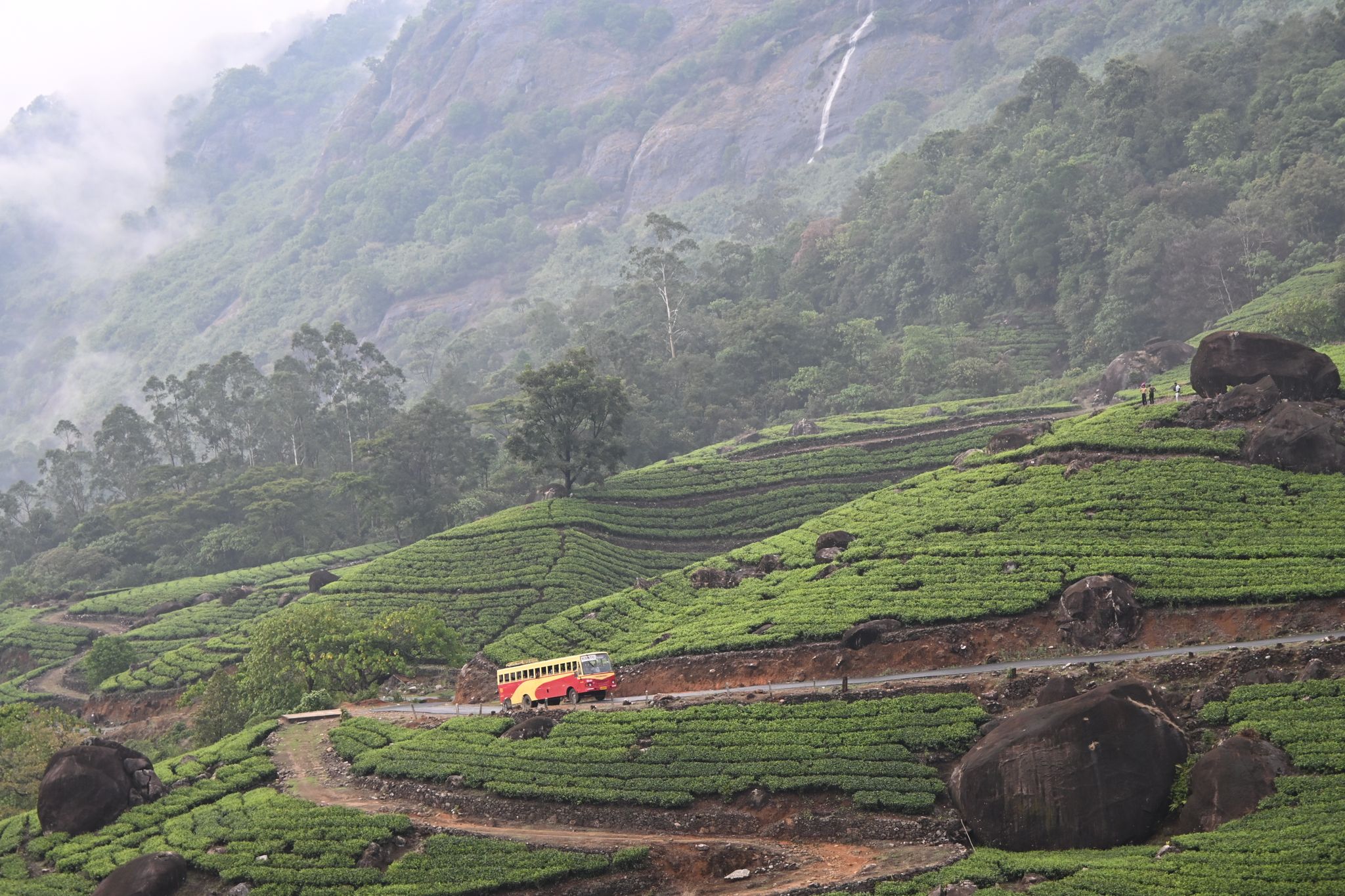
Tea & Coffee Estates
Hill Stations
Hills that were planted rather than built — walk out of your room straight into an estate.
8 places
When to go. September to March. The greenest weeks are right after the monsoon, roughly late September into November. Coorg and Chikmagalur smell of coffee blossom for a few days after the first rains in March or April.
Kerala
Munnar
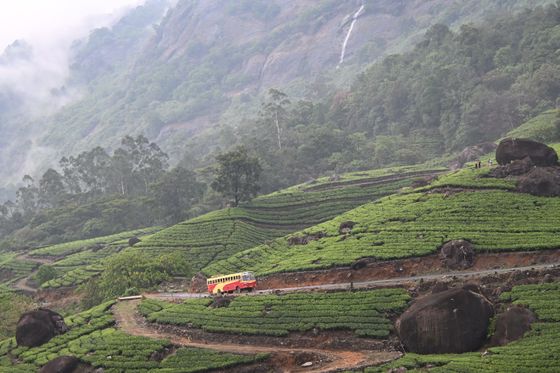
Munnar is a high-altitude hill station at about 1,600 metres in the Western Ghats of Idukki district. Positioned at the scenic confluence of three mountain streams (Mudrapuzha, Nallathanni, and Kundala), the region is visually dominated by an uninterrupted, rolling green carpet of commercial organic tea plantations. The town and its surrounding valleys feature landscape contours lined with dense shola forests, aromatic spice farms, and high-altitude mist-covered grass hills. The commercial core functions as a gateway base for exploring deep wildlife corridors, including the protected cliffs of Eravikulam National Park and the towering peak of Anamudi, the highest summit in South India.
Karnataka
Coorg (Madikeri)
Coorg is coffee country, and the point of coming is to stay on an estate rather than in Madikeri, which is a hill town with traffic. Both arabica and robusta grow here under shade, with pepper vines climbing the same trees. Arrive around March and the coffee is in flower and the whole district smells of it for about a week — the best time to be here, and almost nobody plans for it. Abbey Falls runs through a private estate and is full only in the monsoon. Namdroling at Bylakuppe is the largest Nyingma monastery outside Tibet, and foreign nationals need a permit for it. Talakaveri, where the Kaveri rises, is a drive up and often inside cloud. Kodava food is worth hunting down and is on few menus — pandi curry and kadambuttu, usually only at homestays, and usually only if you ask the night before. October to March is dry. June to September is heavy rain, and the leeches come out on the walks.
West Bengal
Darjeeling
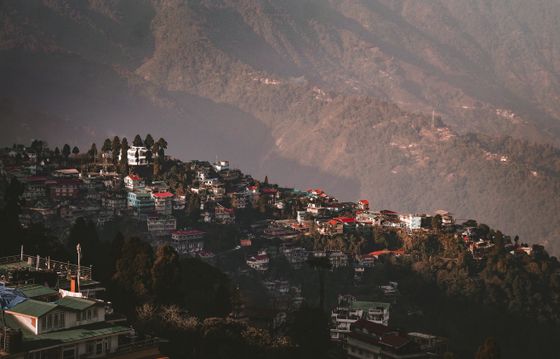
Darjeeling is a highland town at about 2,042 metres on a steep mountain ridge of the Lesser Himalayas in northern West Bengal. Dominated visually by the snow mass of Mount Kanchenjunga, the third-highest peak on earth, the town is known for its carpeted loops of colonial-era tea estates. The commercial heart of Darjeeling centers around the pedestrian square of Chowrasta Mall, packed with vintage bookstores, old tea lounges, and handicraft stalls. The town features distinct architectural layers combining British colonial masonry with rich Tibetan Buddhist monastic heritages, synchronized with the narrow-gauge Darjeeling Himalayan Railway toy train.
Karnataka
Chikmagalur
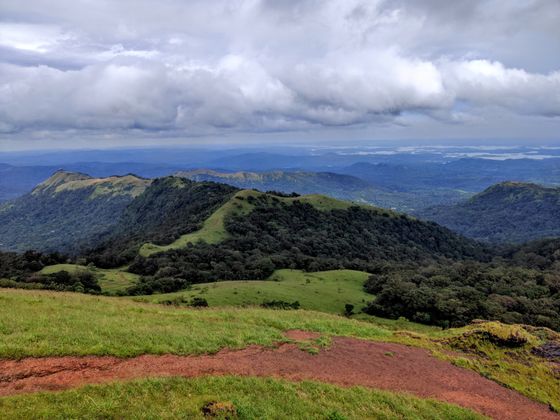
Chikmagalur is the coffee heartland of Karnataka, a lush hill district in the Western Ghats where rolling estates, misty peaks and waterfalls draw a steady stream of young travellers from Bengaluru and beyond. It is a top weekend and workation pick for those wanting estate-stays, treks and great coffee within easy reach of a big city. Home to Mullayanagiri (Karnataka's highest peak), Baba Budangiri and dense shola forests, Chikmagalur blends gentle adventure with slow plantation living. Coffee homestays, trekking trails and cafe culture make it a favourite for couples, friend groups and remote workers.

Tamil Nadu
Coonoor
Coonoor is the second-largest of the Nilgiri hill stations in Tamil Nadu, quieter than neighbouring Ooty and wrapped in rolling tea gardens. Reached by the UNESCO-listed Nilgiri Mountain Railway, it has cool air, old bungalows, Dolphin's Nose and Sim's Park.
Kerala
Wayanad
Wayanad is a plateau district between 700 and 2,100 metres, and the drive up from Kozhikode climbs nine hairpin bends at Thamarassery that back up badly at weekends. The one thing here you will not find elsewhere in Kerala is Edakkal: Neolithic carvings on a cliff face, reached by a steep climb and a metal stair. Chembra has the heart-shaped tarn and a permit system. Banasura Sagar is the largest earth dam in India, with drowned hilltops standing in it as islands. This is elephant country in the working sense — the corridors here run through to Bandipur and Mudumalai, and crop raiding is a live conflict. Do not walk plantation edges after dark. Kalpetta, Sultan Bathery and Mananthavady are the three bases. Stay on an estate. October to May. The monsoon is heavy here and this district has had serious landslides.
Meghalaya
Shillong
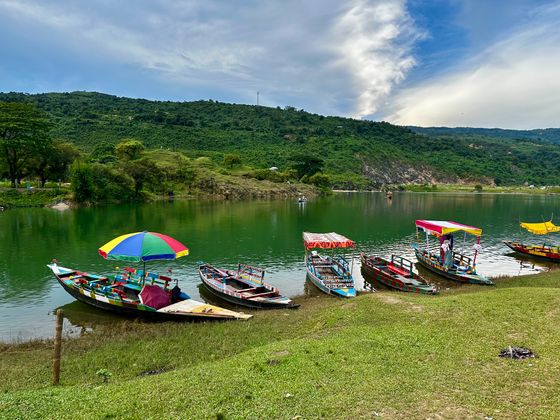
Shillong, the capital of Meghalaya, is the cultural and musical heart of Northeast India — nicknamed the 'Scotland of the East' for its rolling hills and pine-clad landscape. With its cafe scene, live-music culture, waterfalls and easy access to the wonders of Meghalaya, it has become a top pick for young travellers heading east. The city blends Khasi culture, colonial-era charm and a famously music-loving population (it's often called India's rock capital) with a buzzing cafe and hostel scene. It works perfectly as a workation base and a launchpad for Cherrapunji, living root bridges and Dawki's crystal-clear river.
Andhra Pradesh
Araku Valley
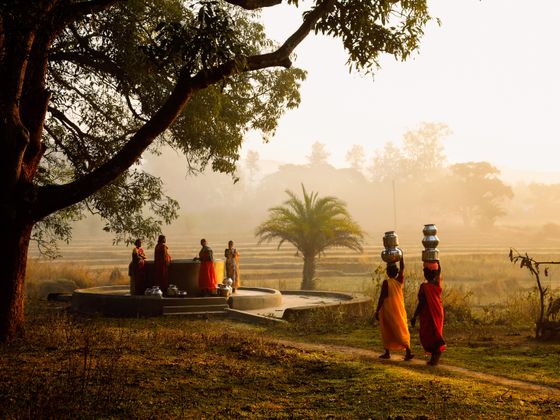
Araku Valley is a lush coffee-growing hill region in the Eastern Ghats near Visakhapatnam, reached by one of India's most scenic train journeys through tunnels and viaducts. Known for tribal culture, coffee plantations, waterfalls and the Borra Caves, it is Andhra's favourite hill escape.

