CityDekho

Browse by place

CityRegionDestinationAttractions

Browse by theme

By MoodAll themesFestivals of IndiaFestival calendarAncient India

Popular themes

BeachesHill StationsSpiritual PlacesPilgrimage & YatrasHeritage & FortsWildlifeAdventureFood TrailsSee all themes
Trip Ideas
Travel ItinerariesTravel GuidesEditorials
When to Go
My TripsSavedProfile
HomeExploreSearchSaved

Travel inspiration in your inbox

New destinations, festival guides and hidden gems — plus the occasional alert. No spam, unsubscribe anytime.

or
CityDekho

Discover India — destinations, hidden gems, festivals and pilgrimages, all in one place.

hello@citydekho.com

Explore

  • Destinations
  • States & UTs
  • Things to do
  • Trip Ideas
  • Pilgrimages
  • Ancient India
  • Festivals

Plan your trip

  • Itineraries
  • Travel guides
  • Road trips
  • Food trails
  • Best time to visit
  • Festival calendar
  • Search CityDekho

Categories

  • Hill Stations
  • Beaches
  • Wildlife
  • Spiritual
  • Adventure
  • Heritage
  • Weekend getaways
  • Hidden gems

Stories & support

  • Editorials
  • Feedback & ideas
  • About
  • Contact
By seasonsummermonsoonautumnwinterspring

© 2026 CityDekho. All rights reserved.

AboutContactFeedbackBest time to visit
CityDekho

Browse by place

CityRegionDestinationAttractions

Browse by theme

By MoodAll themesFestivals of IndiaFestival calendarAncient India

Popular themes

BeachesHill StationsSpiritual PlacesPilgrimage & YatrasHeritage & FortsWildlifeAdventureFood TrailsSee all themes
Trip Ideas
Travel ItinerariesTravel GuidesEditorials
When to Go
My TripsSavedProfile
HomeExploreSearchSaved
Home

spring season

Best spring destinations in India

Spring is when India's hill stations begin to bloom. Rhododendrons in Sikkim, apple blossoms in Himachal, and a final window before summer heat builds in the plains.

Peak crowds
Anandpur Sahib

Punjab

Anandpur Sahib

Anandpur Sahib, translating to the 'Holy City of Bliss', matters as much as anywhere in the Sikh faith outside Amritsar. It sits at the foothills of the scenic Shivalik mountain range along the Sutlej River loop in Punjab, the town is structurally dominated by white-stone fortress-style Gurdwaras. It serves as a center for theological studies and martial heritage curation. The spiritual nucleus of the city is the Takht Sri Keshgarh Sahib, one of the five supreme temporal seats (Takhts) of Sikh authority. The city architecture is backdropped by the Virasat-e-Khalsa museum, an architectural marvel designed by Israeli architect Moshe Safdie that meticulously brings out 500 years of rich Sikh history and regional cultural traditions.

Pleasantly warm daytimes with cool refreshing evening winds.

Moderate crowds
Srinagar (Dal Lake) photo

Jammu & Kashmir

Srinagar (Dal Lake)

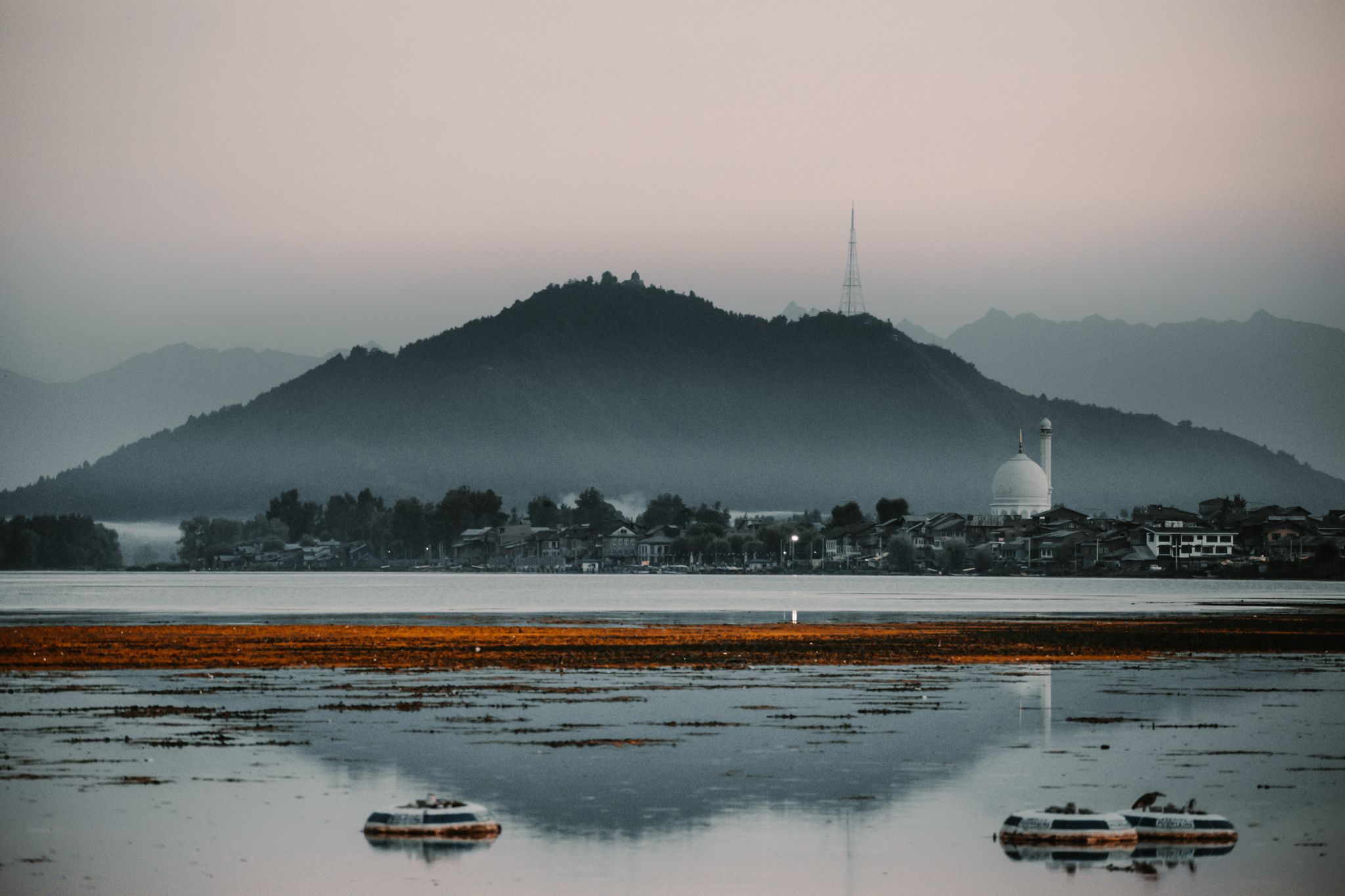
Srinagar is a lake city, and the difference between a good stay and a mediocre one is which part of the lake you sleep on. Take a houseboat, but ask where it is moored. The boats near the Boulevard are convenient and noisy with traffic; the ones further out towards Nagin lake are quieter and give you the mornings the place is famous for. Shikara rides are priced by the hour and by negotiation — agree the route and the price before you get in, or you will be taken to a floating handicraft shop instead. The Mughal gardens — Shalimar, Nishat, Chashme Shahi — are terraced up the eastern hillside and are best in the first hour after opening. The vegetable market on the water at dawn is the real thing, and it means being up before five. Papier-mâché and Kashmiri walnut wood are genuine crafts here and worth buying properly rather than roadside. Check current advisories before you book, and do that close to your travel date rather than months out. April and May for the blossom, and June to August is the season most Indians come. Winter is cold, beautiful and quiet.

Crisp spring days with blooming tulip fields nearby.

Busy
Vaishno Devi (Katra) — photo

Jammu & Kashmir

Vaishno Devi (Katra)

The Holy Shrine of Mata Vaishno Devi is an extraordinary spiritual epicenter at an altitude of 1,585 metres inside the Trikuta Mountains of Jammu territory. Katra functions as the base town, from where millions of dedicated pilgrims commence a challenging 12 km uphill foot journey along a well-constructed mountain corridor to reach the main cave temple, known as the Bhawan. Inside the natural rock cave sanctuary, the deity is worshipped not as an idol but in the form of three natural rock structures called Pindis, representing the creative, sustaining, and transformative spiritual vectors of Goddess Shakti (Maha Kali, Maha Lakshmi, and Maha Saraswati). The entire ecosystem is meticulously managed around the clock by the Shri Mata Vaishno Devi Shrine Board (SMVDSB), featuring automated crowd tracking lanes and extensive shelter stations.

Pleasant spring weather good for long uphill foot travel.

Busy
Darjeeling photo

West Bengal

Darjeeling

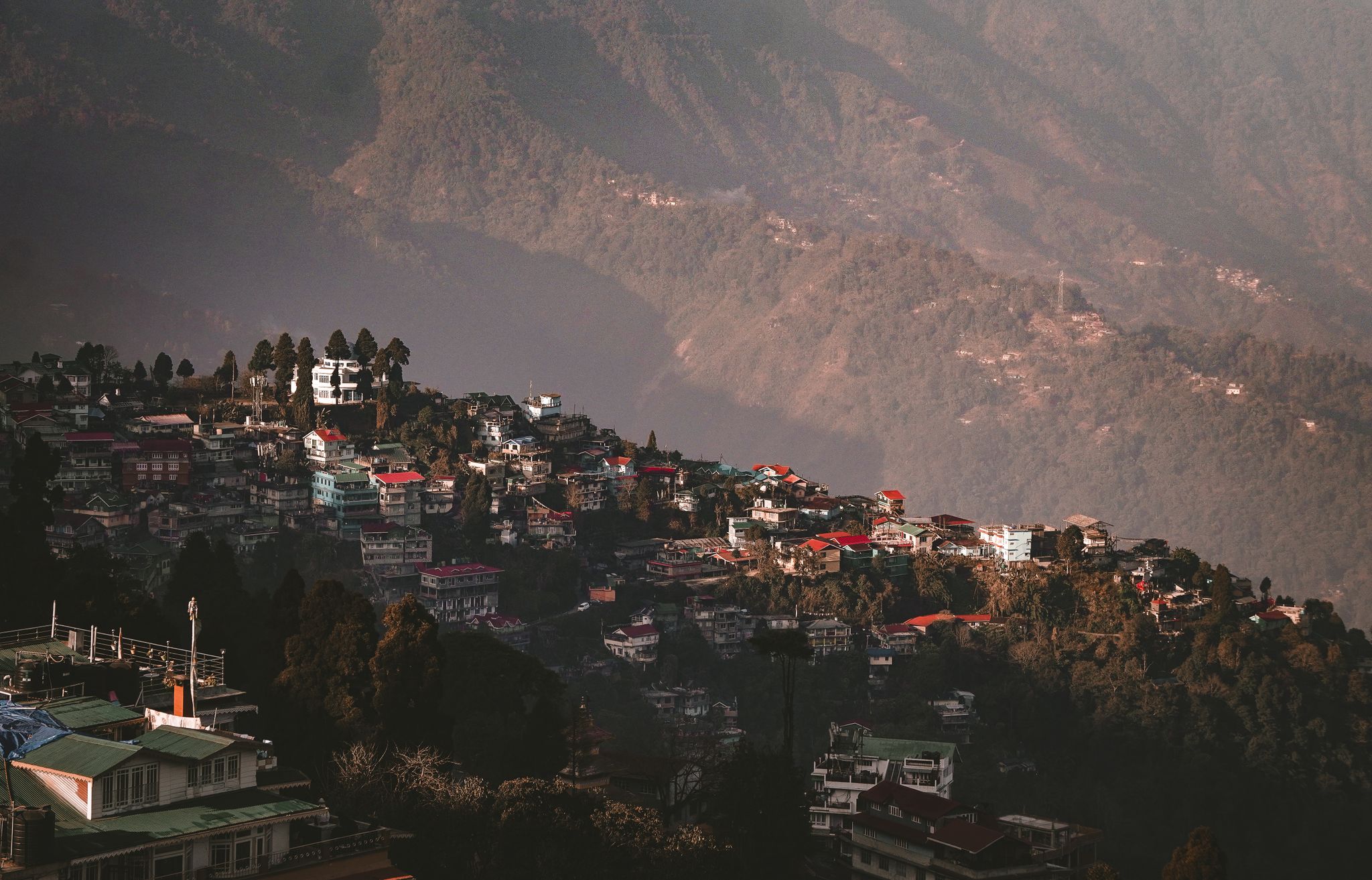
Darjeeling is a highland town at about 2,042 metres on a steep mountain ridge of the Lesser Himalayas in northern West Bengal. Dominated visually by the snow mass of Mount Kanchenjunga, the third-highest peak on earth, the town is known for its carpeted loops of colonial-era tea estates. The commercial heart of Darjeeling centers around the pedestrian square of Chowrasta Mall, packed with vintage bookstores, old tea lounges, and handicraft stalls. The town features distinct architectural layers combining British colonial masonry with rich Tibetan Buddhist monastic heritages, synchronized with the narrow-gauge Darjeeling Himalayan Railway toy train.

Delightfully cool daytimes with clear skies and rhododendrons in full bloom.

Busy
Gangtok

Sikkim

Gangtok

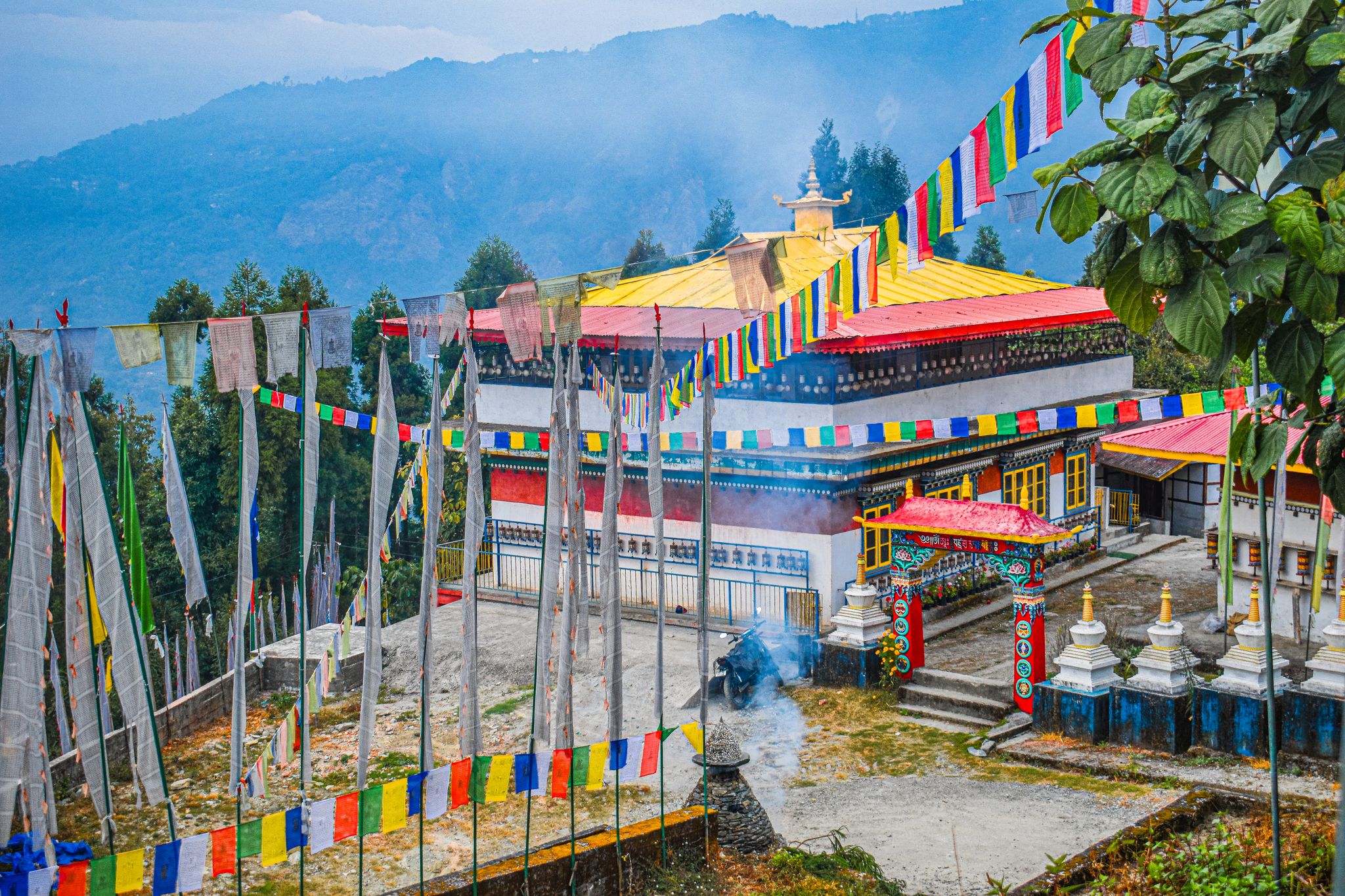
Gangtok is where most Sikkim trips begin, and its real value is as a base rather than a destination. The town itself is a steep ridge of concrete with one pleasant pedestrian street, MG Marg, where no vehicles and no spitting are allowed and the whole town walks in the evening. Rumtek monastery, half an hour out, is the seat of the Karma Kagyu lineage and the more worthwhile hour. Enchey, closer in, is quieter still. Tsomgo lake and Nathu La are the standard day trip. Both need permits arranged through a registered operator in Gangtok, both are high — Tsomgo is at around 3,700 metres — and Nathu La is closed to foreign nationals entirely. If you have only been in the hills a day, that altitude gain in a single drive is a lot. For actual Sikkim, keep going. Pelling for the Kanchenjunga view, Yuksom for the walking, north Sikkim for Lachung and the Yumthang valley — all of which need their own permits. March to May and October to early December. The monsoon here brings serious landslides and roads close for days at a time.

Delightfully cool daytimes under open sunny skies with wild orchids in bloom.

Busy
McLeodganj & Dharamshala photo

Himachal Pradesh

McLeodganj & Dharamshala

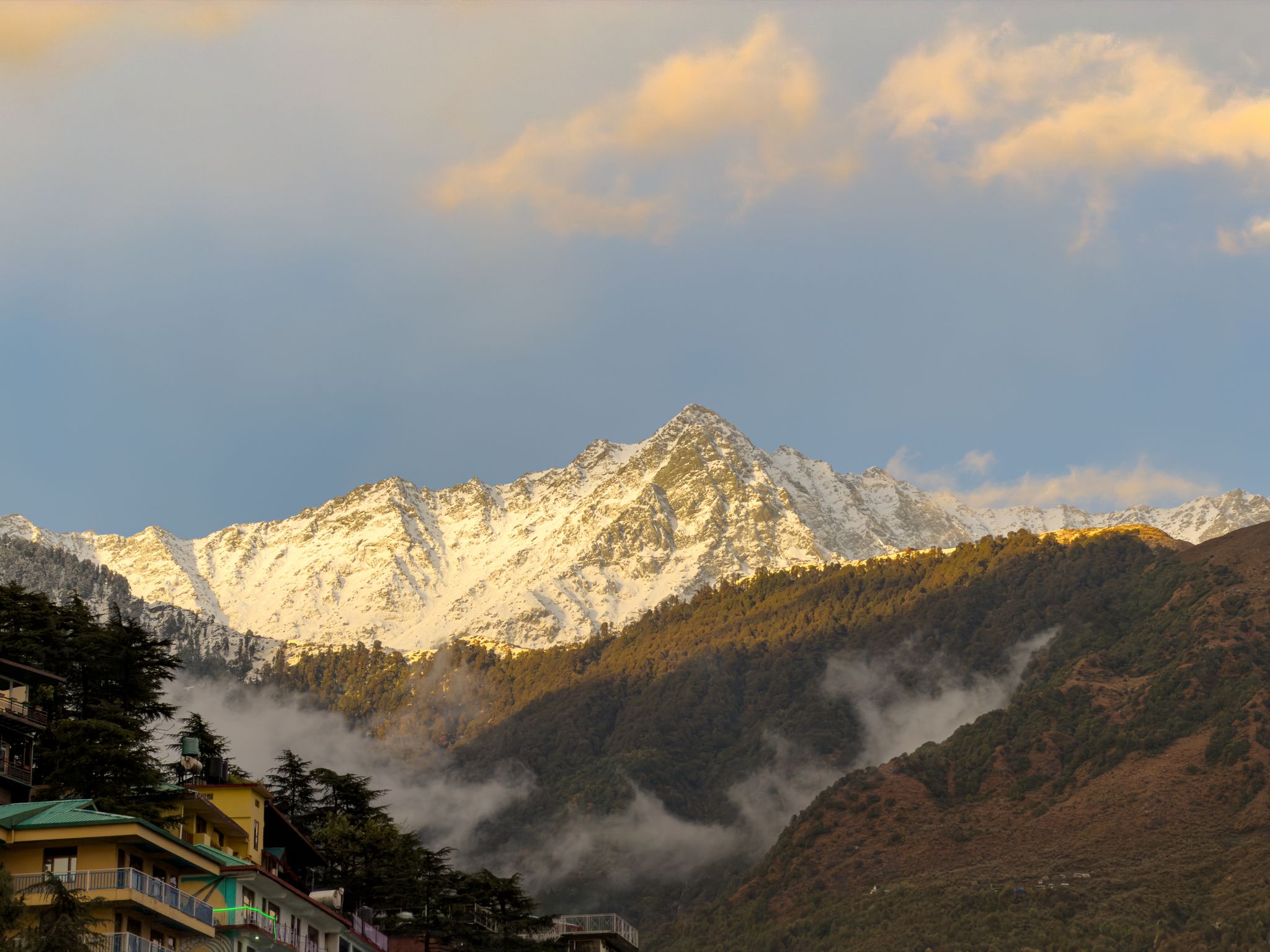
McLeodganj, the upper town of Dharamshala, is the home of the Dalai Lama and the Tibetan government-in-exile, and one of India's most beloved workation and backpacker bases. On a ridge of the Dhauladhar range, it blends Tibetan Buddhist culture, Himalayan trekking and a deeply traveller-friendly cafe and hostel scene. The town is a hub for meditation and yoga retreats, momos and global cafes, and treks to Triund and the Indrahar Pass. With its mix of monasteries, fast Wi-Fi cafes, long-stay hostels and a permanent international community, it has become a year-round magnet for digital nomads, solo travellers and spiritual seekers alike.

Pleasant clear spring days.

Busy
Kedarnath — photo

Uttarakhand

Kedarnath

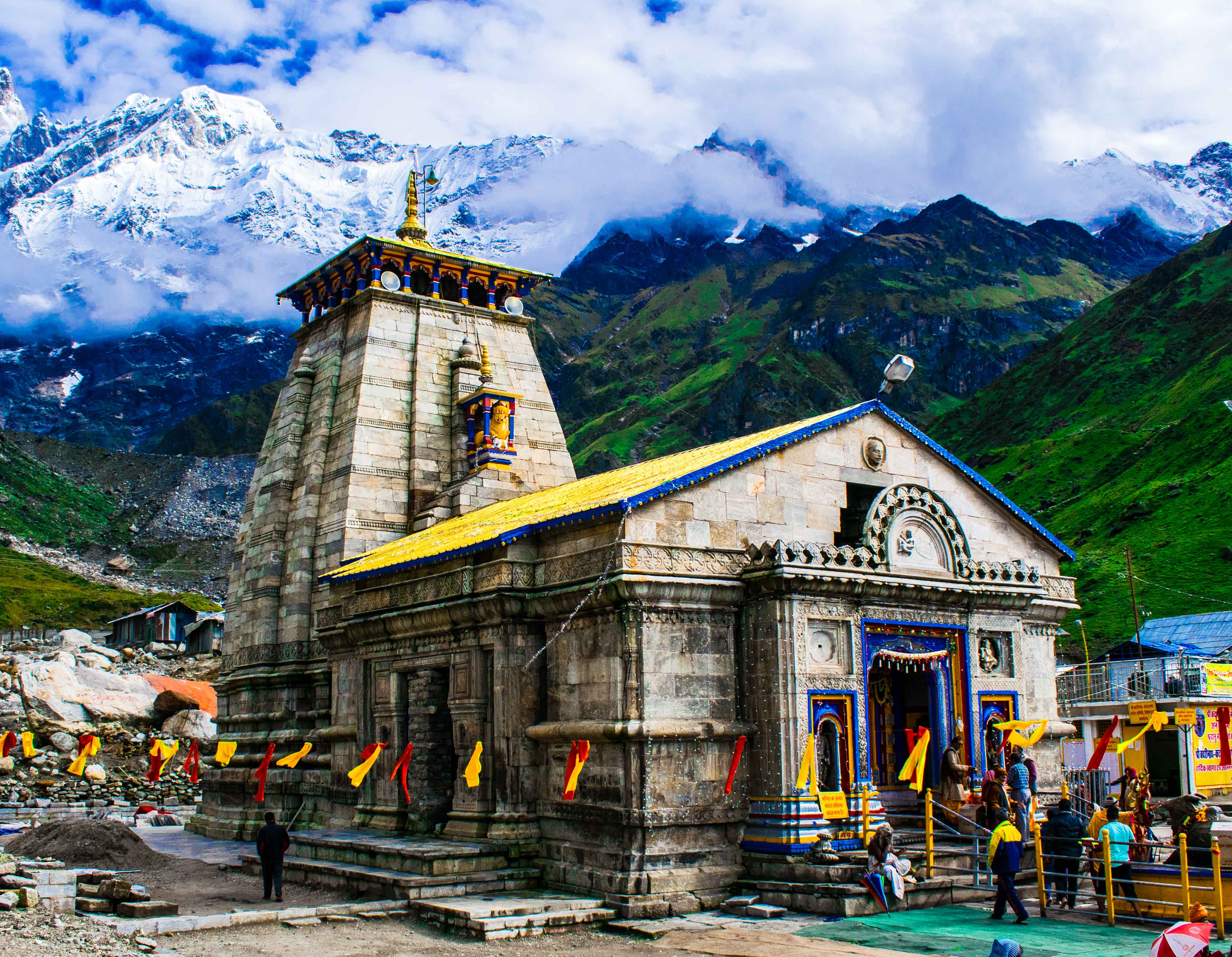
Kedarnath, set at 3,583 metres against a backdrop of snow peaks and the Mandakini valley, is among the holiest of the twelve Jyotirlingas and a cornerstone of the Char Dham Yatra. The ancient stone temple, reached by a demanding Himalayan trek, is one of India's most revered shrines.

Pleasant clear spring days.

Busy
Araku Valley

Andhra Pradesh

Araku Valley

Araku Valley is a lush coffee-growing hill region in the Eastern Ghats near Visakhapatnam, reached by one of India's most scenic train journeys through tunnels and viaducts. Known for tribal culture, coffee plantations, waterfalls and the Borra Caves, it is Andhra's favourite hill escape.

Pleasant clear spring days.

Moderate crowds
Yuksom photo

Sikkim

Yuksom

Yuksom is a historical village in West Sikkim, the first capital of the old Sikkimese kingdom and the trailhead for the famed Goecha La and Dzongri treks toward Kanchenjunga. An emerging eco-conscious, slow-travel destination, it draws trekkers and offbeat travellers with its forests, monasteries and calm. Surrounded by the Kanchenjunga National Park (an UNESCO World Heritage Site), Yuksom has old monasteries, sacred lakes, homestays and forest on every side. Its blend of Buddhist heritage, Himalayan trekking and unspoiled nature makes it a favourite for conscious, adventurous young travellers.

Clear spring days, rhododendrons blooming.

Busy
Pachmarhi photo

Madhya Pradesh

Pachmarhi

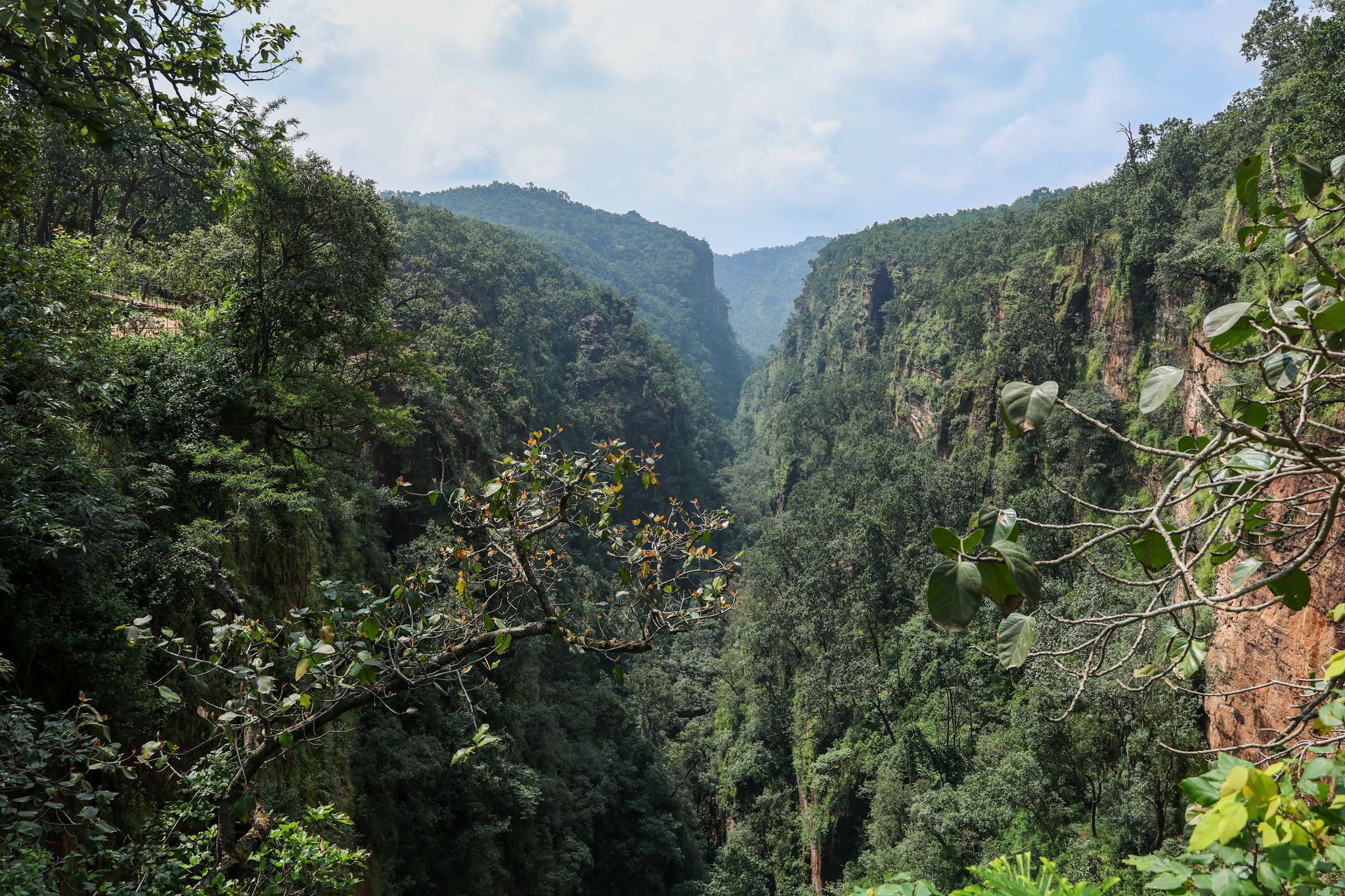
Pachmarhi is Madhya Pradesh's only hill station, a green plateau in the Satpura range dotted with waterfalls, caves, viewpoints and ancient rock-shelter paintings, set within a UNESCO biosphere reserve.

Pleasant clear spring days.

Busy
Shimla photo

Himachal Pradesh

Shimla

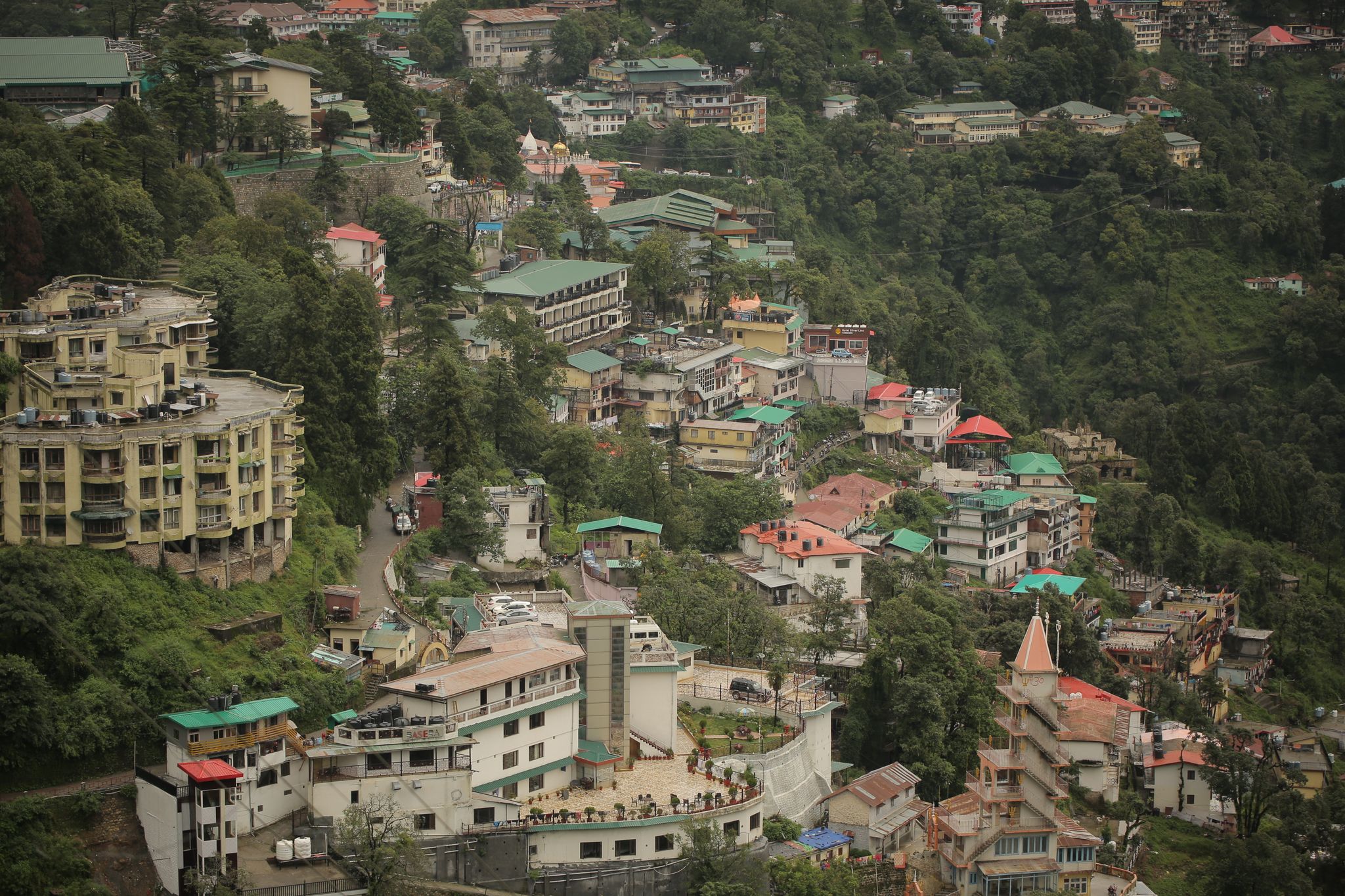
Shimla, the former summer capital of British India, is one of the country's most popular hill stations. Its colonial Mall Road, the Ridge, Christ Church and the UNESCO-listed Kalka-Shimla toy train make it a perennial favourite in the Himalayan foothills.

Pleasant clear spring days.

Busy
Nainital

Uttarakhand

Nainital

Nainital is a charming Kumaon hill station built around the emerald, eye-shaped Naini Lake. With its boating, the crowded Mall Road, cable car to Snow View and surrounding viewpoints, it is one of North India's most beloved lake resorts.

Pleasant clear spring days.

Busy
Saputara

Gujarat

Saputara

Saputara is Gujarat's only hill station, which makes it modest by Himalayan standards and genuinely useful if you are anywhere near Surat or Ahmedabad. It sits at about a thousand metres in the Dang forests near the Maharashtra border. The lake at the centre is the focus — boating, a promenade, and a ropeway up to the sunset point. None of it is dramatic. What is good is the drive in through the Sahyadri forest, the Gira waterfall after the monsoon, and the tribal museum, which is small and better than it needs to be. The monsoon and the weeks just after it are when this place justifies itself. The Saputara Monsoon Festival runs through those months, the forest is fully green and the waterfalls are actually falling. By March the hills have gone brown and the lake is low. Set your expectations to a cool weekend in the woods rather than a mountain trip, and it holds up. Two nights is right; a week would be too long. July to November.

Pleasant clear spring days.

Busy
Jim Corbett National Park

Uttarakhand

Jim Corbett National Park

Jim Corbett is India's oldest national park and the birthplace of Project Tiger, set in the Himalayan foothills along the Ramganga River. Famed for its tigers, elephants and rich birdlife across the Dhikala, Bijrani and Jhirna zones, it is one of the country's safari destinations.

Pleasant clear spring days.

Busy
Tawang photo

Arunachal Pradesh

Tawang

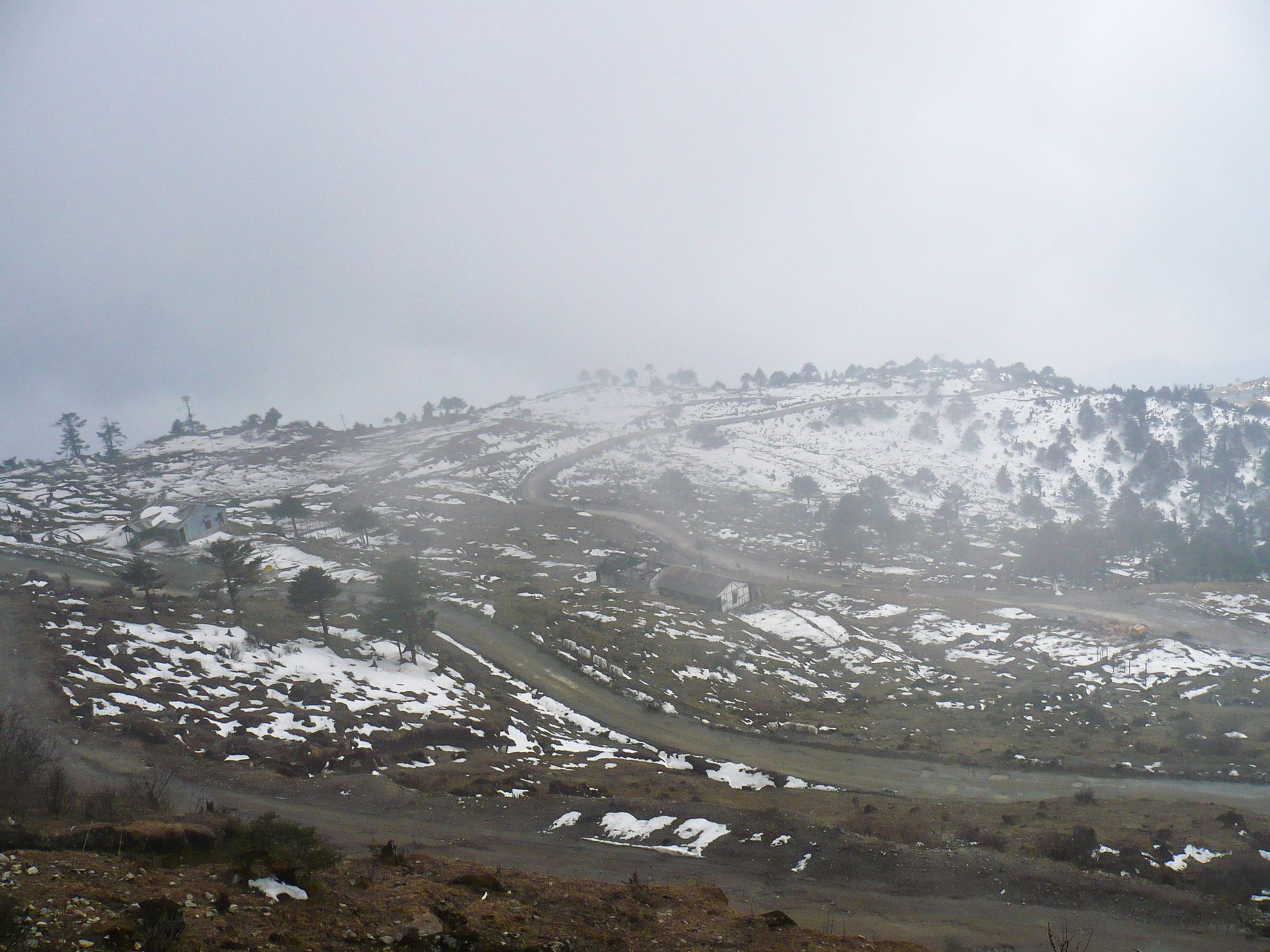
Tawang, at over 3,000 metres in the far Himalayas of Arunachal Pradesh, is home to India's largest Buddhist monastery and the birthplace of the 6th Dalai Lama. Snow peaks, high lakes, war memorials and the dramatic Sela Pass make the drive up as much of the point as Tawang itself.

Pleasant clear spring days.

Busy
Mawsynram & Nongriat Root Bridges photo

Meghalaya

Mawsynram & Nongriat Root Bridges

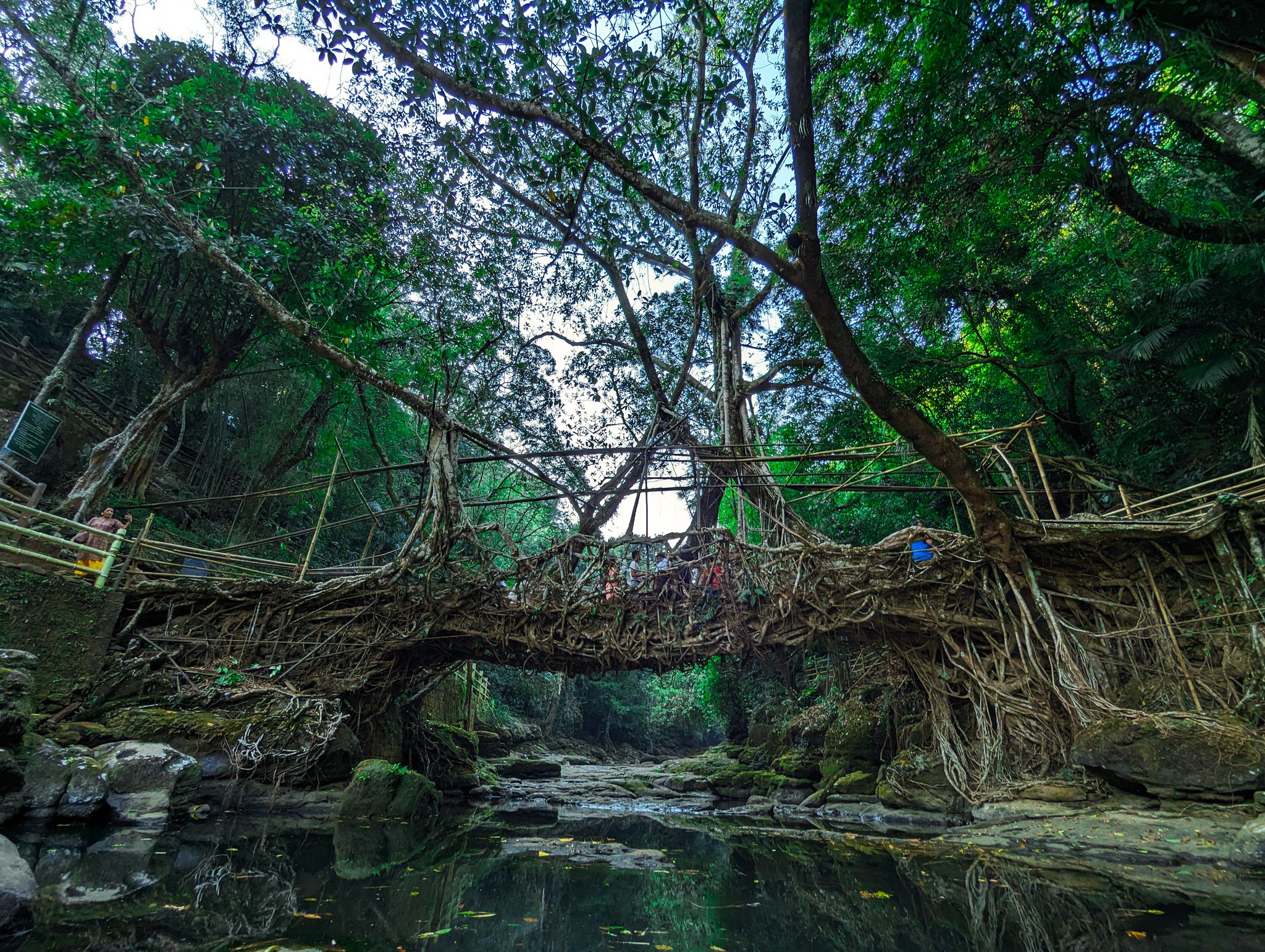
Mawsynram, the wettest place on earth, and the nearby village of Nongriat anchor southern Meghalaya's wonder-region of living root bridges, deep gorges and waterfalls. The trek to the famous Double Decker Living Root Bridge is a bucket-list Northeast experience.

Pleasant clear spring days.

Busy
Kohima

Nagaland

Kohima

Kohima's war cemetery is the most affecting war memorial in India, and most people who come for the Hornbill Festival never walk up to it. In 1944 the Japanese advance into India was stopped here, on a tennis court on the ridge above town. The court's markings are still laid out in stone among the graves. The inscription at the base — the one about telling those at home that we gave our today for their tomorrow — is worth the climb on its own. The Hornbill Festival runs the first ten days of December at Kisama, a purpose-built village of tribal morungs where all the Naga groups perform. It is worth seeing and it is also a festival built for visitors; if you want the everyday version of Naga life you will find more of it in the villages around Khonoma, an hour away, than at Kisama. Nagaland requires an Inner Line Permit for Indian nationals; foreign nationals need to register on arrival. Sort it in advance. October to May is dry. December means Hornbill, full hotels and prices to match — book months ahead or stay in Dimapur and travel up.

Pleasant clear spring days.

Busy
Imphal photo

Manipur

Imphal

Imphal, the capital of Manipur, is a culturally rich valley city famed for the all-women Ima Keithel market, the WWII Imphal battle sites, classical Manipuri dance, and as the gateway to the floating Loktak Lake.

Pleasant clear spring days.

Busy
Renuka Devi Temple (Mahur) photo

Maharashtra

Renuka Devi Temple (Mahur)

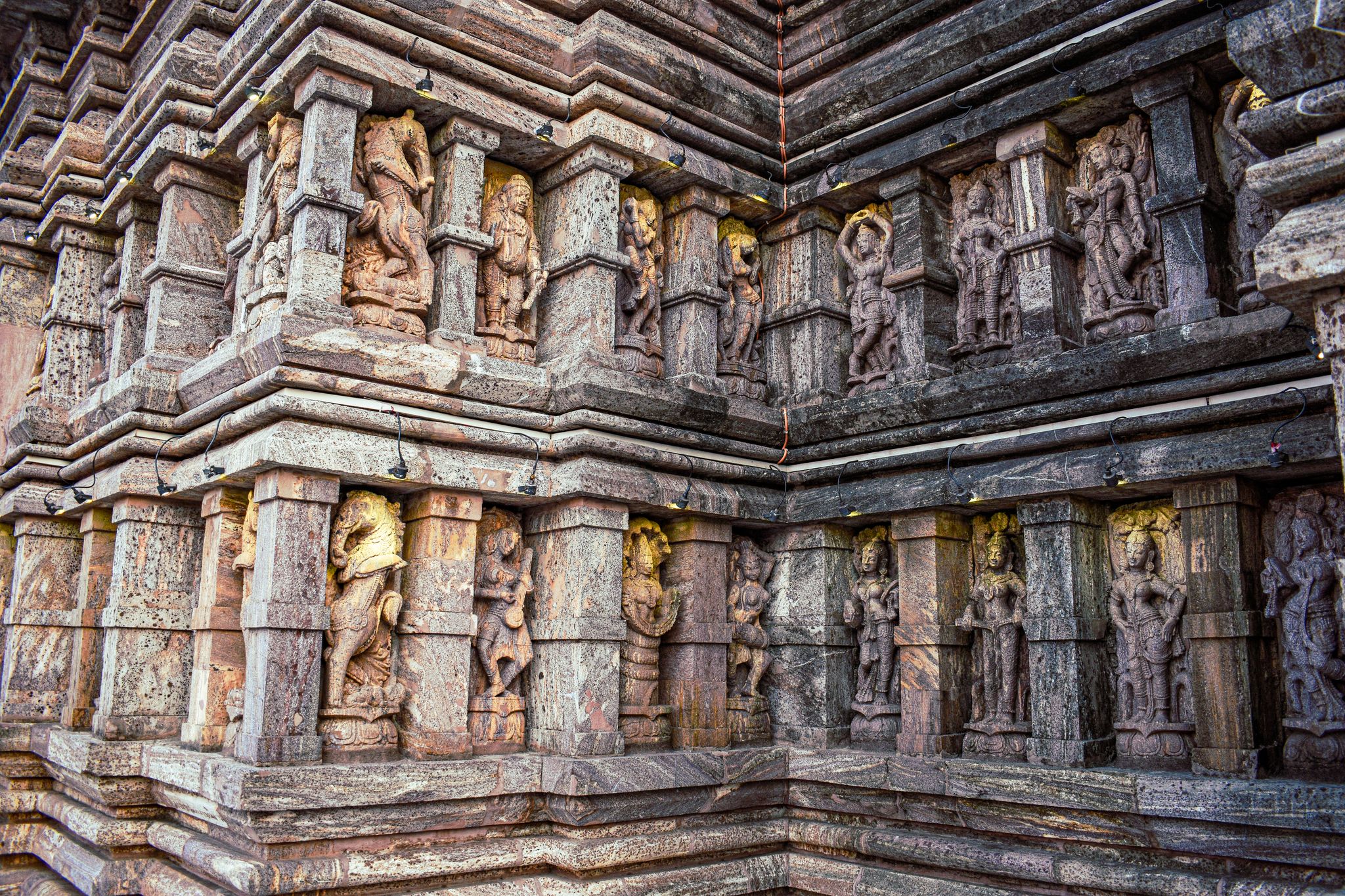
Renuka Devi Temple (Mahur) in Mahur, Nanded, Maharashtra is one of the Shakti Peethas, the sacred shrines of the Divine Mother in the Shakta tradition of Hinduism. According to tradition, this is where the **right hand** of Goddess Sati fell when Lord Vishnu's Sudarshana Chakra divided her body. Here the Goddess is worshipped as **Renuka (Mahishmardini)**. Shakti Peethas are among the holiest pilgrimage sites for devotees of the Goddess, drawing pilgrims especially during Navratri and Durga Puja. Each is tied to the legend of Sati, whose body parts fell across the Indian subcontinent and beyond, sanctifying the ground where they landed.

Warm, clear days before peak summer.

Busy
Tulja Bhavani Temple

Maharashtra

Tulja Bhavani Temple

Tulja Bhavani Temple in Tuljapur, Osmanabad, Maharashtra is one of the Shakti Peethas, the sacred shrines of the Divine Mother in the Shakta tradition of Hinduism. It is revered as a sacred Shakti Peetha, a seat of the Mother Goddess. Here the Goddess is worshipped as **Tulja Bhavani**, and her guardian Bhairava (a form of Shiva) as **Bhairava**. Shakti Peethas are among the holiest pilgrimage sites for devotees of the Goddess, drawing pilgrims especially during Navratri and Durga Puja. Each is tied to the legend of Sati, whose body parts fell across the Indian subcontinent and beyond, sanctifying the ground where they landed.

Warm, clear days before peak summer.

Busy
Saptashrungi Temple photo

Maharashtra

Saptashrungi Temple

Saptashrungi Temple in Nashik (Vani), Maharashtra is one of the Shakti Peethas, the sacred shrines of the Divine Mother in the Shakta tradition of Hinduism. According to tradition, this is where the **chin** of Goddess Sati fell when Lord Vishnu's Sudarshana Chakra divided her body. Here the Goddess is worshipped as **Bhadrakali (Saptashrungi)**, and her guardian Bhairava (a form of Shiva) as **Vikritaksha**. Shakti Peethas are among the holiest pilgrimage sites for devotees of the Goddess, drawing pilgrims especially during Navratri and Durga Puja. Each is tied to the legend of Sati, whose body parts fell across the Indian subcontinent and beyond, sanctifying the ground where they landed.

Warm, clear days before peak summer.

Busy
Kamakshi Amman Temple photo

Tamil Nadu

Kamakshi Amman Temple

Kamakshi Amman Temple in Kanchipuram, Tamil Nadu is one of the Shakti Peethas, the sacred shrines of the Divine Mother in the Shakta tradition of Hinduism. According to tradition, this is where the **navel / back** of Goddess Sati fell when Lord Vishnu's Sudarshana Chakra divided her body. Here the Goddess is worshipped as **Devagarbha (Kamakshi)**, and her guardian Bhairava (a form of Shiva) as **Ruru**. It is counted among the eighteen Ashtadasha Maha Shakti Peethas — the most revered of all the seats of the Goddess. Shakti Peethas are among the holiest pilgrimage sites for devotees of the Goddess, drawing pilgrims especially during Navratri and Durga Puja. Each is tied to the legend of Sati, whose body parts fell across the Indian subcontinent and beyond, sanctifying the ground where they landed.

Warm, clear days before peak summer.

Busy
Kumari Amman Temple photo

Tamil Nadu

Kumari Amman Temple

Kumari Amman Temple in Kanyakumari, Tamil Nadu is one of the Shakti Peethas, the sacred shrines of the Divine Mother in the Shakta tradition of Hinduism. According to tradition, this is where the **back** of Goddess Sati fell when Lord Vishnu's Sudarshana Chakra divided her body. Here the Goddess is worshipped as **Sarvani (Kanyakumari)**, and her guardian Bhairava (a form of Shiva) as **Nimish**. Shakti Peethas are among the holiest pilgrimage sites for devotees of the Goddess, drawing pilgrims especially during Navratri and Durga Puja. Each is tied to the legend of Sati, whose body parts fell across the Indian subcontinent and beyond, sanctifying the ground where they landed.

Warm, clear days before peak summer.

Busy
Narayani Temple (Suchindram)

Tamil Nadu

Narayani Temple (Suchindram)

Narayani Temple (Suchindram) in Suchindram, Tamil Nadu is one of the Shakti Peethas, the sacred shrines of the Divine Mother in the Shakta tradition of Hinduism. According to tradition, this is where the **upper teeth** of Goddess Sati fell when Lord Vishnu's Sudarshana Chakra divided her body. Here the Goddess is worshipped as **Narayani**, and her guardian Bhairava (a form of Shiva) as **Sanhar**. Shakti Peethas are among the holiest pilgrimage sites for devotees of the Goddess, drawing pilgrims especially during Navratri and Durga Puja. Each is tied to the legend of Sati, whose body parts fell across the Indian subcontinent and beyond, sanctifying the ground where they landed.

Warm, clear days before peak summer.

Busy
Bhramaramba (Mallikarjuna) Temple photo

Andhra Pradesh

Bhramaramba (Mallikarjuna) Temple

Bhramaramba (Mallikarjuna) Temple in Srisailam, Andhra Pradesh is one of the Shakti Peethas, the sacred shrines of the Divine Mother in the Shakta tradition of Hinduism. According to tradition, this is where the **neck** of Goddess Sati fell when Lord Vishnu's Sudarshana Chakra divided her body. Here the Goddess is worshipped as **Bhramaramba (Mahalakshmi)**, and her guardian Bhairava (a form of Shiva) as **Mallikarjuna (Sambaranand)**. It is counted among the eighteen Ashtadasha Maha Shakti Peethas — the most revered of all the seats of the Goddess. Shakti Peethas are among the holiest pilgrimage sites for devotees of the Goddess, drawing pilgrims especially during Navratri and Durga Puja. Each is tied to the legend of Sati, whose body parts fell across the Indian subcontinent and beyond, sanctifying the ground where they landed.

Warm, clear days before peak summer.

Busy
Manikyamba (Bhimeswara) Temple

Andhra Pradesh

Manikyamba (Bhimeswara) Temple

Manikyamba (Bhimeswara) Temple in Draksharamam, Kakinada, Andhra Pradesh is one of the Shakti Peethas, the sacred shrines of the Divine Mother in the Shakta tradition of Hinduism. According to tradition, this is where the **left cheek** of Goddess Sati fell when Lord Vishnu's Sudarshana Chakra divided her body. Here the Goddess is worshipped as **Manikyamba**, and her guardian Bhairava (a form of Shiva) as **Bhimeshwar**. It is counted among the eighteen Ashtadasha Maha Shakti Peethas — the most revered of all the seats of the Goddess. Shakti Peethas are among the holiest pilgrimage sites for devotees of the Goddess, drawing pilgrims especially during Navratri and Durga Puja. Each is tied to the legend of Sati, whose body parts fell across the Indian subcontinent and beyond, sanctifying the ground where they landed.

Warm, clear days before peak summer.

Busy
Puruhutika (Kukkuteswara) Temple

Andhra Pradesh

Puruhutika (Kukkuteswara) Temple

Puruhutika (Kukkuteswara) Temple in Pithapuram, Andhra Pradesh is one of the Shakti Peethas, the sacred shrines of the Divine Mother in the Shakta tradition of Hinduism. According to tradition, this is where the **back / hip** of Goddess Sati fell when Lord Vishnu's Sudarshana Chakra divided her body. Here the Goddess is worshipped as **Puruhutika**, and her guardian Bhairava (a form of Shiva) as **Durvaseshwar**. It is counted among the eighteen Ashtadasha Maha Shakti Peethas — the most revered of all the seats of the Goddess. Shakti Peethas are among the holiest pilgrimage sites for devotees of the Goddess, drawing pilgrims especially during Navratri and Durga Puja. Each is tied to the legend of Sati, whose body parts fell across the Indian subcontinent and beyond, sanctifying the ground where they landed.

Warm, clear days before peak summer.

Busy
Jogulamba Temple photo

Telangana

Jogulamba Temple

Jogulamba Temple in Alampur, Telangana is one of the Shakti Peethas, the sacred shrines of the Divine Mother in the Shakta tradition of Hinduism. According to tradition, this is where the **upper teeth** of Goddess Sati fell when Lord Vishnu's Sudarshana Chakra divided her body. Here the Goddess is worshipped as **Jogulamba (Yogini)**, and her guardian Bhairava (a form of Shiva) as **Bala Brahmeshwar**. It is counted among the eighteen Ashtadasha Maha Shakti Peethas — the most revered of all the seats of the Goddess. Shakti Peethas are among the holiest pilgrimage sites for devotees of the Goddess, drawing pilgrims especially during Navratri and Durga Puja. Each is tied to the legend of Sati, whose body parts fell across the Indian subcontinent and beyond, sanctifying the ground where they landed.

Warm, clear days before peak summer.

Busy
Chamundeshwari Temple photo

Karnataka

Chamundeshwari Temple

Chamundeshwari Temple in Mysuru, Karnataka is one of the Shakti Peethas, the sacred shrines of the Divine Mother in the Shakta tradition of Hinduism. According to tradition, this is where the **hair** of Goddess Sati fell when Lord Vishnu's Sudarshana Chakra divided her body. Here the Goddess is worshipped as **Chamundeshwari (Krouncha)**. Shakti Peethas are among the holiest pilgrimage sites for devotees of the Goddess, drawing pilgrims especially during Navratri and Durga Puja. Each is tied to the legend of Sati, whose body parts fell across the Indian subcontinent and beyond, sanctifying the ground where they landed.

Warm, clear days before peak summer.

Busy
Biraja (Girija) Temple photo

Odisha

Biraja (Girija) Temple

Biraja (Girija) Temple in Jajpur, Odisha is one of the Shakti Peethas, the sacred shrines of the Divine Mother in the Shakta tradition of Hinduism. According to tradition, this is where the **navel** of Goddess Sati fell when Lord Vishnu's Sudarshana Chakra divided her body. Here the Goddess is worshipped as **Vimala (Biraja)**, and her guardian Bhairava (a form of Shiva) as **Jagannath (Varaha)**. Shakti Peethas are among the holiest pilgrimage sites for devotees of the Goddess, drawing pilgrims especially during Navratri and Durga Puja. Each is tied to the legend of Sati, whose body parts fell across the Indian subcontinent and beyond, sanctifying the ground where they landed.

Warm, clear days before peak summer.

Busy
Vimala Temple (Jagannath, Puri) photo

Odisha

Vimala Temple (Jagannath, Puri)

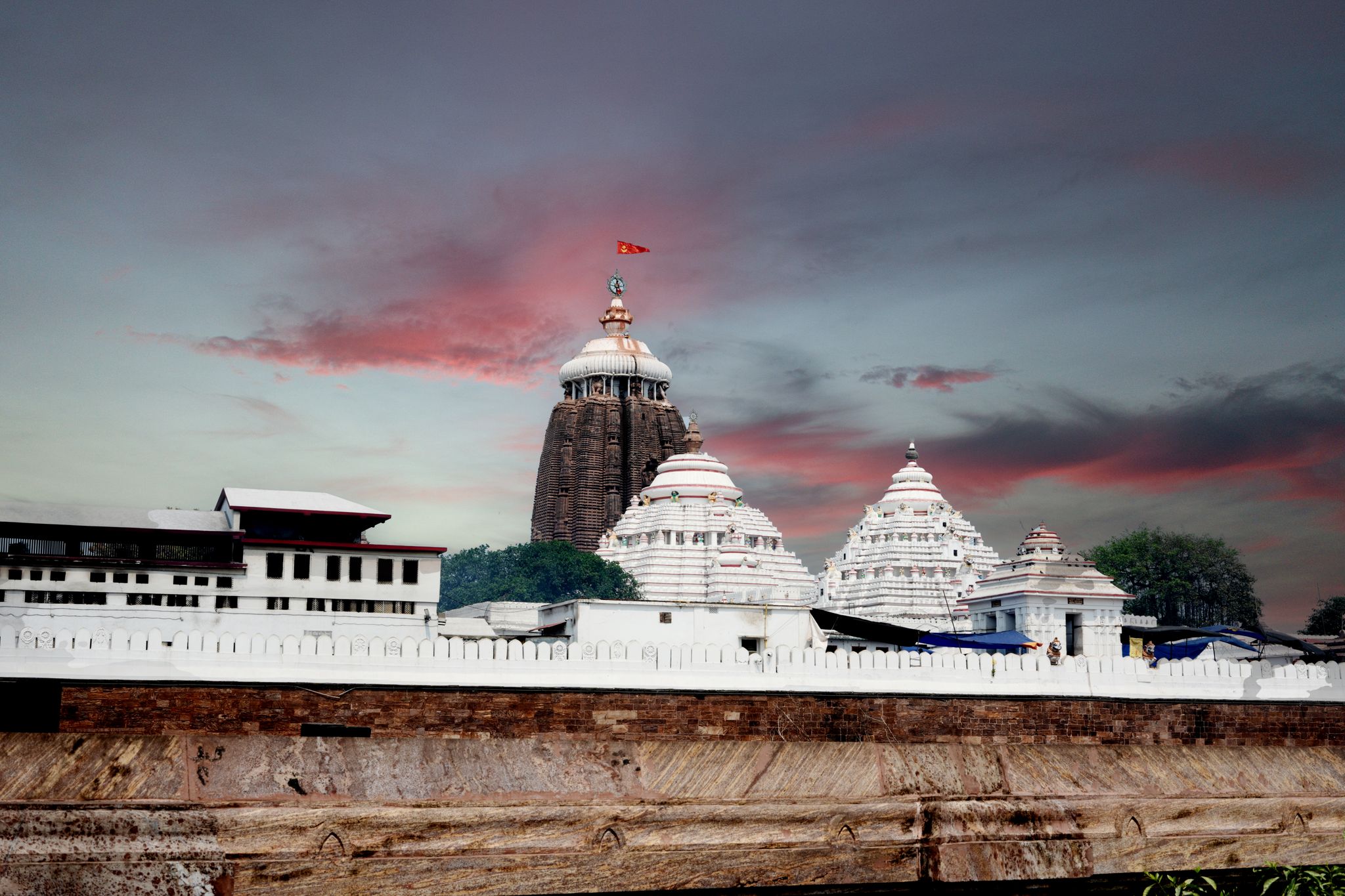
Vimala Temple (Jagannath, Puri) in Puri, Odisha is one of the Shakti Peethas, the sacred shrines of the Divine Mother in the Shakta tradition of Hinduism. According to tradition, this is where the **feet** of Goddess Sati fell when Lord Vishnu's Sudarshana Chakra divided her body. Here the Goddess is worshipped as **Vimala**, and her guardian Bhairava (a form of Shiva) as **Jagannath**. Shakti Peethas are among the holiest pilgrimage sites for devotees of the Goddess, drawing pilgrims especially during Navratri and Durga Puja. Each is tied to the legend of Sati, whose body parts fell across the Indian subcontinent and beyond, sanctifying the ground where they landed.

Warm, clear days before peak summer.

Busy
Tara Tarini Temple photo

Odisha

Tara Tarini Temple

Tara Tarini Temple in Purushottampur, Ganjam, Odisha is one of the Shakti Peethas, the sacred shrines of the Divine Mother in the Shakta tradition of Hinduism. According to tradition, this is where the **breasts** of Goddess Sati fell when Lord Vishnu's Sudarshana Chakra divided her body. Here the Goddess is worshipped as **Tara Tarini**. Shakti Peethas are among the holiest pilgrimage sites for devotees of the Goddess, drawing pilgrims especially during Navratri and Durga Puja. Each is tied to the legend of Sati, whose body parts fell across the Indian subcontinent and beyond, sanctifying the ground where they landed.

Warm, clear days before peak summer.

Busy
Kalighat Kali Temple photo

West Bengal

Kalighat Kali Temple

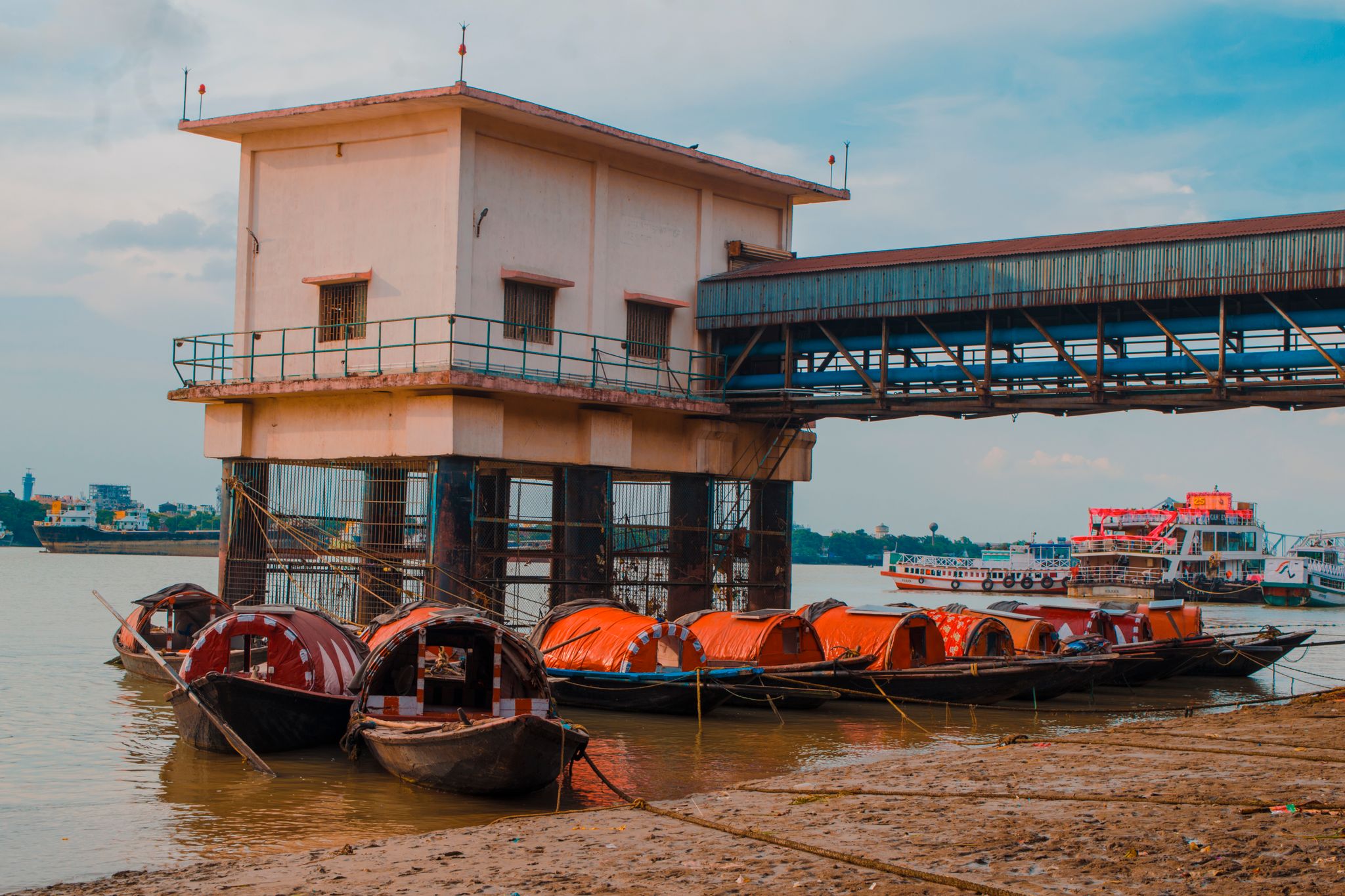
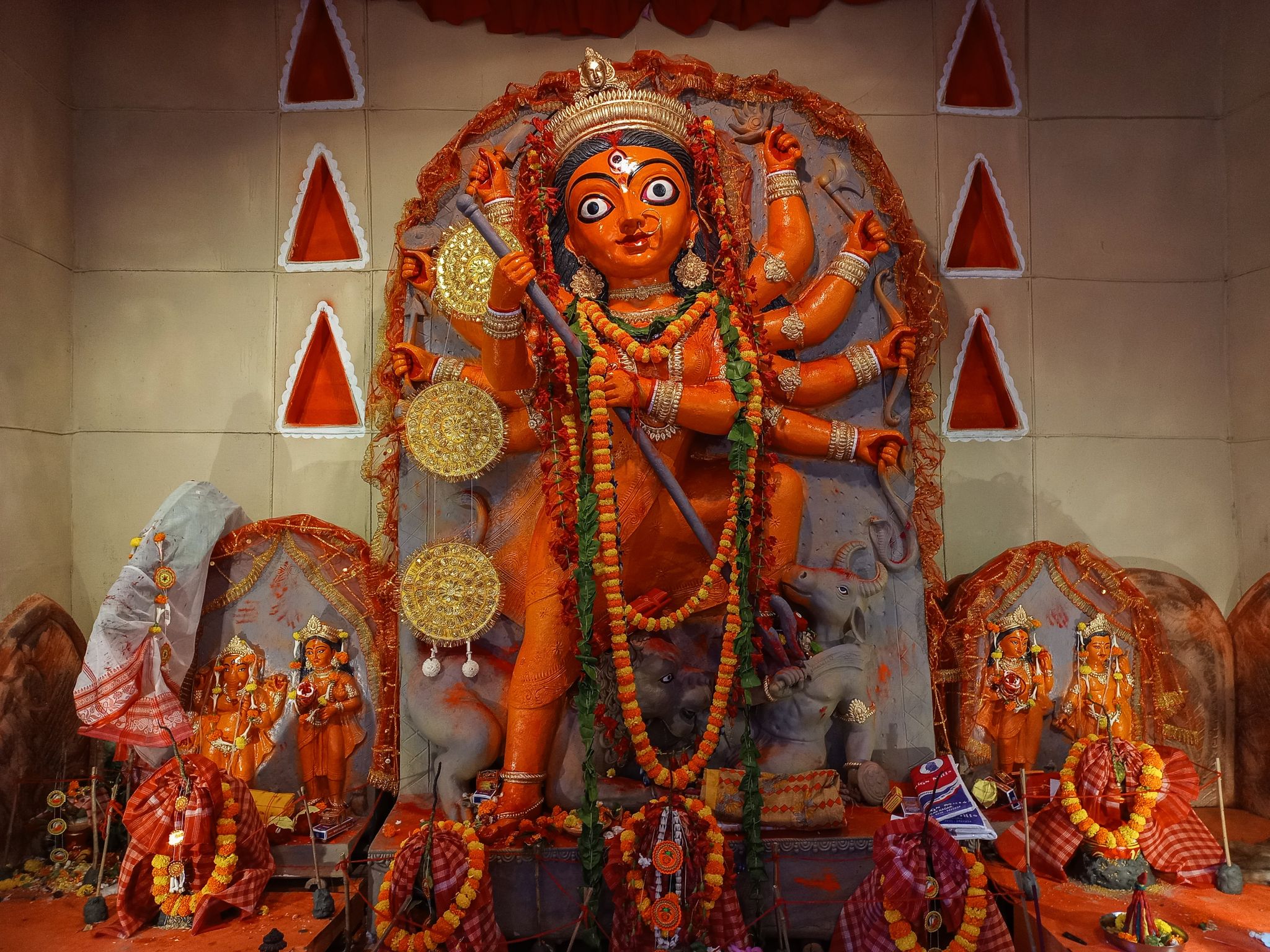
Kalighat Kali Temple in Kolkata, West Bengal is one of the Shakti Peethas, the sacred shrines of the Divine Mother in the Shakta tradition of Hinduism. According to tradition, this is where the **toes of the right foot** of Goddess Sati fell when Lord Vishnu's Sudarshana Chakra divided her body. Here the Goddess is worshipped as **Kalika**, and her guardian Bhairava (a form of Shiva) as **Nakuleshwar**. It is counted among the eighteen Ashtadasha Maha Shakti Peethas — the most revered of all the seats of the Goddess. Shakti Peethas are among the holiest pilgrimage sites for devotees of the Goddess, drawing pilgrims especially during Navratri and Durga Puja. Each is tied to the legend of Sati, whose body parts fell across the Indian subcontinent and beyond, sanctifying the ground where they landed.

Warm, clear days before peak summer.

Busy
Tarapith Temple photo

West Bengal

Tarapith Temple

Tarapith Temple in Rampurhat, Birbhum, West Bengal is one of the Shakti Peethas, the sacred shrines of the Divine Mother in the Shakta tradition of Hinduism. According to tradition, this is where the **third eye** of Goddess Sati fell when Lord Vishnu's Sudarshana Chakra divided her body. Here the Goddess is worshipped as **Tara (Chandi)**, and her guardian Bhairava (a form of Shiva) as **Chandrachuda**. Shakti Peethas are among the holiest pilgrimage sites for devotees of the Goddess, drawing pilgrims especially during Navratri and Durga Puja. Each is tied to the legend of Sati, whose body parts fell across the Indian subcontinent and beyond, sanctifying the ground where they landed.

Warm, clear days before peak summer.

Busy
Bakreshwar Temple photo

West Bengal

Bakreshwar Temple

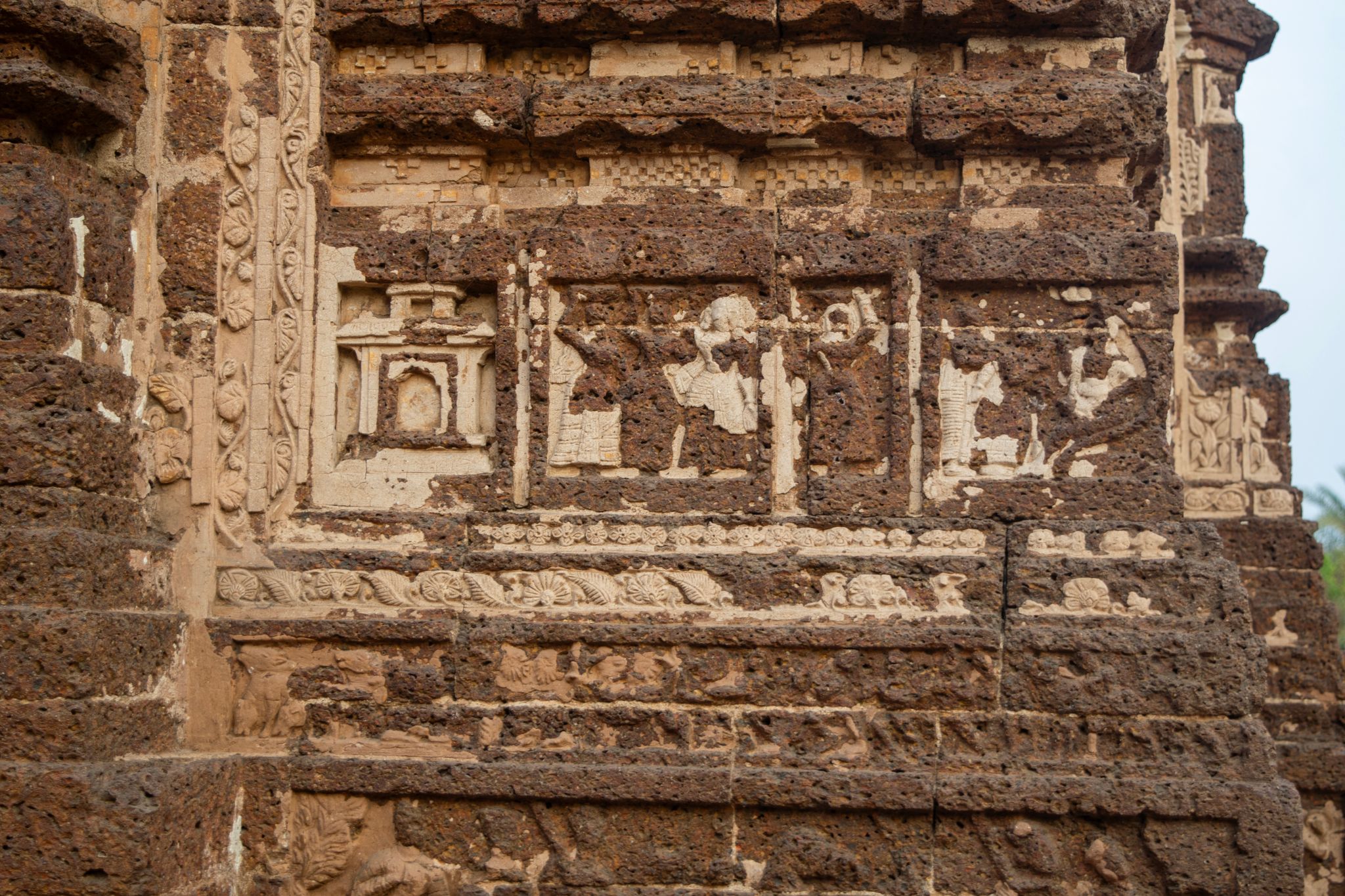
Bakreshwar Temple in Birbhum, West Bengal is one of the Shakti Peethas, the sacred shrines of the Divine Mother in the Shakta tradition of Hinduism. According to tradition, this is where the **between the eyebrows** of Goddess Sati fell when Lord Vishnu's Sudarshana Chakra divided her body. Here the Goddess is worshipped as **Mahishmardini**, and her guardian Bhairava (a form of Shiva) as **Vakranath**. Shakti Peethas are among the holiest pilgrimage sites for devotees of the Goddess, drawing pilgrims especially during Navratri and Durga Puja. Each is tied to the legend of Sati, whose body parts fell across the Indian subcontinent and beyond, sanctifying the ground where they landed.

Warm, clear days before peak summer.

Busy
Attahas Temple photo

West Bengal

Attahas Temple

Attahas Temple in Labhpur, Birbhum, West Bengal is one of the Shakti Peethas, the sacred shrines of the Divine Mother in the Shakta tradition of Hinduism. According to tradition, this is where the **lips** of Goddess Sati fell when Lord Vishnu's Sudarshana Chakra divided her body. Here the Goddess is worshipped as **Phullara**, and her guardian Bhairava (a form of Shiva) as **Vishwesh**. Shakti Peethas are among the holiest pilgrimage sites for devotees of the Goddess, drawing pilgrims especially during Navratri and Durga Puja. Each is tied to the legend of Sati, whose body parts fell across the Indian subcontinent and beyond, sanctifying the ground where they landed.

Warm, clear days before peak summer.

Busy
Nalhateshwari Temple photo

West Bengal

Nalhateshwari Temple

Nalhateshwari Temple in Nalhati, Birbhum, West Bengal is one of the Shakti Peethas, the sacred shrines of the Divine Mother in the Shakta tradition of Hinduism. According to tradition, this is where the **throat (nala)** of Goddess Sati fell when Lord Vishnu's Sudarshana Chakra divided her body. Here the Goddess is worshipped as **Kalika (Nalateshwari)**, and her guardian Bhairava (a form of Shiva) as **Yogesh**. Shakti Peethas are among the holiest pilgrimage sites for devotees of the Goddess, drawing pilgrims especially during Navratri and Durga Puja. Each is tied to the legend of Sati, whose body parts fell across the Indian subcontinent and beyond, sanctifying the ground where they landed.

Warm, clear days before peak summer.

Busy
Bahula Temple

West Bengal

Bahula Temple

Bahula Temple in Ketugram, Purba Bardhaman, West Bengal is one of the Shakti Peethas, the sacred shrines of the Divine Mother in the Shakta tradition of Hinduism. According to tradition, this is where the **left arm** of Goddess Sati fell when Lord Vishnu's Sudarshana Chakra divided her body. Here the Goddess is worshipped as **Bahula**, and her guardian Bhairava (a form of Shiva) as **Bhiruk**. Shakti Peethas are among the holiest pilgrimage sites for devotees of the Goddess, drawing pilgrims especially during Navratri and Durga Puja. Each is tied to the legend of Sati, whose body parts fell across the Indian subcontinent and beyond, sanctifying the ground where they landed.

Warm, clear days before peak summer.

Busy
Ujani (Mangalchandi) photo

West Bengal

Ujani (Mangalchandi)

Ujani (Mangalchandi) in Purba Bardhaman, West Bengal is one of the Shakti Peethas, the sacred shrines of the Divine Mother in the Shakta tradition of Hinduism. According to tradition, this is where the **right wrist** of Goddess Sati fell when Lord Vishnu's Sudarshana Chakra divided her body. Here the Goddess is worshipped as **Mangal Chandika**, and her guardian Bhairava (a form of Shiva) as **Kapilambar**. Shakti Peethas are among the holiest pilgrimage sites for devotees of the Goddess, drawing pilgrims especially during Navratri and Durga Puja. Each is tied to the legend of Sati, whose body parts fell across the Indian subcontinent and beyond, sanctifying the ground where they landed.

Warm, clear days before peak summer.

Busy
Kiriteswari Temple photo

West Bengal

Kiriteswari Temple

Kiriteswari Temple in Murshidabad, West Bengal is one of the Shakti Peethas, the sacred shrines of the Divine Mother in the Shakta tradition of Hinduism. According to tradition, this is where the **crown (kirita)** of Goddess Sati fell when Lord Vishnu's Sudarshana Chakra divided her body. Here the Goddess is worshipped as **Vimala (Kiriteswari)**, and her guardian Bhairava (a form of Shiva) as **Sanvart**. Shakti Peethas are among the holiest pilgrimage sites for devotees of the Goddess, drawing pilgrims especially during Navratri and Durga Puja. Each is tied to the legend of Sati, whose body parts fell across the Indian subcontinent and beyond, sanctifying the ground where they landed.

Warm, clear days before peak summer.

Busy
Bhramari Devi (Jalpesh) Temple

West Bengal

Bhramari Devi (Jalpesh) Temple

Bhramari Devi (Jalpesh) Temple in Jalpaiguri, West Bengal is one of the Shakti Peethas, the sacred shrines of the Divine Mother in the Shakta tradition of Hinduism. According to tradition, this is where the **left leg** of Goddess Sati fell when Lord Vishnu's Sudarshana Chakra divided her body. Here the Goddess is worshipped as **Bhramari**, and her guardian Bhairava (a form of Shiva) as **Ambar (Ishwar)**. Shakti Peethas are among the holiest pilgrimage sites for devotees of the Goddess, drawing pilgrims especially during Navratri and Durga Puja. Each is tied to the legend of Sati, whose body parts fell across the Indian subcontinent and beyond, sanctifying the ground where they landed.

Warm, clear days before peak summer.

Moderate crowds
Magnetic Hill

Leh & Ladakh

Magnetic Hill

Magnetic Hill is a famous gravity-defying road stretch on the Srinagar-Leh National Highway, roughly 30 kilometers outside the capital town of Leh. Positioned at a height of approximately 3,350 metres above sea level, the location is clearly marked by a prominent yellow informational billboard erected by the local administration. When a stationary vehicle is placed in neutral gear inside the specifically marked rectangular box on the asphalt road, it appears to move uphill on its own accord at speeds reaching up to 20 kilometers per hour. While popular regional folklore attributes this movement to deep magnetic forces embedded inside the rocky mountains, scientific testing confirms it is an extraordinary optical illusion. The specific layout of the surrounding horizon and slopes distorts human perspective, making a slight downhill slope appear like a steep rising hill.

Crisp clear weather with cool mountain breezes.

Busy
Tripura Sundari Temple (Matabari)

Tripura

Tripura Sundari Temple (Matabari)

Tripura Sundari Temple (Matabari) in Udaipur, Tripura is one of the Shakti Peethas, the sacred shrines of the Divine Mother in the Shakta tradition of Hinduism. According to tradition, this is where the **right foot** of Goddess Sati fell when Lord Vishnu's Sudarshana Chakra divided her body. Here the Goddess is worshipped as **Tripura Sundari**, and her guardian Bhairava (a form of Shiva) as **Tripuresh**. Shakti Peethas are among the holiest pilgrimage sites for devotees of the Goddess, drawing pilgrims especially during Navratri and Durga Puja. Each is tied to the legend of Sati, whose body parts fell across the Indian subcontinent and beyond, sanctifying the ground where they landed.

Warm, clear days before peak summer.

Busy
Jayanti (Nartiang Durga) Temple photo

Meghalaya

Jayanti (Nartiang Durga) Temple

Jayanti (Nartiang Durga) Temple in Nartiang, Jaintia Hills, Meghalaya is one of the Shakti Peethas, the sacred shrines of the Divine Mother in the Shakta tradition of Hinduism. According to tradition, this is where the **left thigh** of Goddess Sati fell when Lord Vishnu's Sudarshana Chakra divided her body. Here the Goddess is worshipped as **Jayanti (Nartiang Durga)**, and her guardian Bhairava (a form of Shiva) as **Kramadishwar**. Shakti Peethas are among the holiest pilgrimage sites for devotees of the Goddess, drawing pilgrims especially during Navratri and Durga Puja. Each is tied to the legend of Sati, whose body parts fell across the Indian subcontinent and beyond, sanctifying the ground where they landed.

Warm, clear days before peak summer.

Busy
Kamakhya Temple photo

Assam

Kamakhya Temple

Kamakhya Temple in Guwahati, Assam is one of the Shakti Peethas, the sacred shrines of the Divine Mother in the Shakta tradition of Hinduism. According to tradition, this is where the **yoni (womb)** of Goddess Sati fell when Lord Vishnu's Sudarshana Chakra divided her body. Here the Goddess is worshipped as **Kamakhya**, and her guardian Bhairava (a form of Shiva) as **Umananda**. It is counted among the eighteen Ashtadasha Maha Shakti Peethas — the most revered of all the seats of the Goddess. Shakti Peethas are among the holiest pilgrimage sites for devotees of the Goddess, drawing pilgrims especially during Navratri and Durga Puja. Each is tied to the legend of Sati, whose body parts fell across the Indian subcontinent and beyond, sanctifying the ground where they landed.

Warm, clear days before peak summer.

Busy
Jayanti (Jaintiapur)

Jayanti (Jaintiapur)

Jayanti (Jaintiapur) in Jaintiapur, Bangladesh is one of the Shakti Peethas, the sacred shrines of the Divine Mother in the Shakta tradition of Hinduism. According to tradition, this is where the **left palm** of Goddess Sati fell when Lord Vishnu's Sudarshana Chakra divided her body. Here the Goddess is worshipped as **Jayanti**, and her guardian Bhairava (a form of Shiva) as **Kramadishwar**. Shakti Peethas are among the holiest pilgrimage sites for devotees of the Goddess, drawing pilgrims especially during Navratri and Durga Puja. Each is tied to the legend of Sati, whose body parts fell across the Indian subcontinent and beyond, sanctifying the ground where they landed.

Warm, clear days before peak summer.

Busy
Mahalakshmi (Sri Shail) Temple photo

Mahalakshmi (Sri Shail) Temple

Mahalakshmi (Sri Shail) Temple in Gotatikar, Sylhet, Bangladesh is one of the Shakti Peethas, the sacred shrines of the Divine Mother in the Shakta tradition of Hinduism. According to tradition, this is where the **neck** of Goddess Sati fell when Lord Vishnu's Sudarshana Chakra divided her body. Here the Goddess is worshipped as **Mahalakshmi**, and her guardian Bhairava (a form of Shiva) as **Sambaranand**. Shakti Peethas are among the holiest pilgrimage sites for devotees of the Goddess, drawing pilgrims especially during Navratri and Durga Puja. Each is tied to the legend of Sati, whose body parts fell across the Indian subcontinent and beyond, sanctifying the ground where they landed.

Warm, clear days before peak summer.

Busy
Chattal Bhawani (Chandranath) photo

Chattal Bhawani (Chandranath)

Chattal Bhawani (Chandranath) in Sitakunda, Chittagong, Bangladesh is one of the Shakti Peethas, the sacred shrines of the Divine Mother in the Shakta tradition of Hinduism. According to tradition, this is where the **right arm** of Goddess Sati fell when Lord Vishnu's Sudarshana Chakra divided her body. Here the Goddess is worshipped as **Bhawani**, and her guardian Bhairava (a form of Shiva) as **Chandrashekhar**. Shakti Peethas are among the holiest pilgrimage sites for devotees of the Goddess, drawing pilgrims especially during Navratri and Durga Puja. Each is tied to the legend of Sati, whose body parts fell across the Indian subcontinent and beyond, sanctifying the ground where they landed.

Warm, clear days before peak summer.

Festivals during Spring

From our festival calendar. Most Indian festivals move with the lunar calendar, so we name the month rather than a day.

Bhagoria MelaFebruary - March

Bhagoria Mela

fair

Tens of thousands of tribal youths across rotating market locations

Explore festival →
DosmocheFebruary

Dosmoche

religious

Explore festival →
Goa CarnivalFebruary

Goa Carnival

cultural

Over 250,000 visitors attend the Goa Carnival parades annually, according to the Goa Tourism Development Corporation.

Explore festival →
Kalaghoda Arts FestivalFebruary

Kalaghoda Arts Festival

cultural

Over 500,000 visitors over its nine-day duration.

Explore festival →
Khajuraho Dance FestivalFebruary

Khajuraho Dance Festival

cultural

Explore festival →
Kila Raipur Sports FestivalFebruary

Kila Raipur Sports Festival

cultural

Explore festival →
Lathmar Holi (Barsana)February

Lathmar Holi (Barsana)

regional

Explore festival →
Losar (Tibetan New Year)February

Losar (Tibetan New Year)

cultural

Explore festival →

Other seasons

summermonsoonautumnwinter

Travel inspiration in your inbox

New destinations, festival guides and hidden gems — plus the occasional alert. No spam, unsubscribe anytime.

or
CityDekho

Discover India — destinations, hidden gems, festivals and pilgrimages, all in one place.

hello@citydekho.com

Explore

  • Destinations
  • States & UTs
  • Things to do
  • Trip Ideas
  • Pilgrimages
  • Ancient India
  • Festivals

Plan your trip

  • Itineraries
  • Travel guides
  • Road trips
  • Food trails
  • Best time to visit
  • Festival calendar
  • Search CityDekho

Categories

  • Hill Stations
  • Beaches
  • Wildlife
  • Spiritual
  • Adventure
  • Heritage
  • Weekend getaways
  • Hidden gems

Stories & support

  • Editorials
  • Feedback & ideas
  • About
  • Contact
By seasonsummermonsoonautumnwinterspring

© 2026 CityDekho. All rights reserved.

AboutContactFeedbackBest time to visit