CityDekho

Browse by place

CityRegionDestinationAttractions

Browse by theme

By MoodAll themesFestivals of IndiaFestival calendarAncient India

Popular themes

BeachesHill StationsSpiritual PlacesPilgrimage & YatrasHeritage & FortsWildlifeAdventureFood TrailsSee all themes
Trip Ideas
Travel ItinerariesTravel GuidesEditorials
When to Go
My TripsSavedProfile
HomeExploreSearchSaved
CityDekho

Browse by place

CityRegionDestinationAttractions

Browse by theme

By MoodAll themesFestivals of IndiaFestival calendarAncient India

Popular themes

BeachesHill StationsSpiritual PlacesPilgrimage & YatrasHeritage & FortsWildlifeAdventureFood TrailsSee all themes
Trip Ideas
Travel ItinerariesTravel GuidesEditorials
When to Go
My TripsSavedProfile
HomeExploreSearchSaved
Goa Carnival

Goa Carnival

All festivals

cultural

Held in the days before Lent (Feb–Mar). 2026: approximately Feb 14–17. Region: Goa. 4 days Goa, Goa
Festivals/Goa/Goa Carnival

When it happens

February

Held in the days before Lent (Feb–Mar). 2026: approximately Feb 14–17. Region: Goa.

Annual
Share
Directions

Gallery

Goa Carnival
Outofindia (CC BY-SA 3.0)
Goa Carnival
Outofindia (CC BY-SA 3.0)
Goa Carnival
Outofindia (CC BY-SA 3.0)
Goa Carnival
Outofindia (CC BY-SA 3.0)
Goa Carnival
Outofindia (CC BY-SA 3.0)

Significance

A vibrant Portuguese-origin street carnival with float parades led by 'King Momo', music, dancing, and the red-and-black dance, unique to Goa.

Why it's celebrated

Introduced by Portuguese colonists in the 18th century as 'Entrudo,' a pre-Lenten feast of indulgence when people would feast on meat, drink, and make merry before embarking on the strict Christian period of fasting and abstinence. It was modernized and expanded in 1965 by Goan musician Timoteo Fernandes, who modeled it after the famous Rio Carnival to boost local tourism and celebrate Goan culture.

How it's celebrated

Led by the mythical character 'King Momo,' who officially decrees the start of the carnival with the command to 'Eat, drink, and make merry!' Vibrant public parades wind through city streets featuring massive, themed floats, marching brass bands, and energetic dance troupes wearing feathered, sequined costumes. The festival concludes with the famous 'Red and Black Dance' on Tuesday night, where everyone dresses strictly in red and black and dances under the stars.

Key rituals

Key specific rituals include King Momo's opening decree, street-side musical theater performances ('Khell Tiattr' or 'Assoltes') satirizing local politics and social themes, spraying of colorful confetti and water, and the final 'Red and Black Dance' fundraiser.

Beliefs & spiritual meaning

Heavily rooted in the cultural philosophy of community unity, letting go of worries, and celebrating life. The figure of King Momo represents the spirit of joy, chaos, and playfulness, temporarily overriding daily societal rules to foster a space where rich, poor, locals, and tourists are all equal in celebration.

History & origins

Introduced by the Portuguese in the 18th century, the Carnival is a pre-Lent celebration. King Momo declares the start, and revelry follows until Ash Wednesday.

Tips for travellers

Plan to attend Day 1 (Saturday) in Panaji, which hosts the largest and most grand parade; arrive by 3:00 PM to secure a spot along the route near Patto Bridge or Azad Maidan. Book a balcony seat at a street-side cafe (ranging from ₹500 to ₹1,500) for an elevated, unobstructed photo vantage point. Pack red and black attire if you wish to attend the final 'Red and Black Dance' on Tuesday evening. Book your flights and Goan villas at least 2-3 months in advance.

What to expect

Floats parade through Panjim, Margao, Vasco and Mapusa with music, dancing, and elaborate costumes. The Red and Black Dance on the final night is a Panjim institution. Beach shacks throw nightly Carnival parties. Book accommodation early — Goa fills up.

Quick facts

Also known as
Carnaval de Goa, Intruz, Entrudo
When
Held in the days before Lent (Feb–Mar). 2026: approximately Feb 14–17. Region: Goa.
Duration
4 days
Deity
None (mythical King Momo presides over the festival)
Where
Celebrated across Goa, with major public parades held in Panaji (Panjim), Margao, Vasco da Gama, and Mapusa on consecutive days.
Attendance
Over 250,000 visitors attend the Goa Carnival parades annually, according to the Goa Tourism Development Corporation.
Type
cultural
King Momo's Decree
Each year, a prominent Goan is chosen to play King Momo, who leads the parade and officially opens the festival by declaring his royal decree of absolute fun and merriment.
Timoteo Fernandes' Legacy
The modern version of the Goa Carnival was conceptualized and launched in 1965 by local musician Timoteo Fernandes, who drew inspiration from Rio de Janeiro's Carnival.
Red and Black Dance
The grand finale is a historic dance organized by the Club National in Panaji, where guests must strictly adhere to the red-and-black dress code.

Plan a trip around Goa Carnival

Celebrated in Goa, Goa. Explore the destination and build your trip around it.

Explore GoaPlan a trip

Explore more of Goa

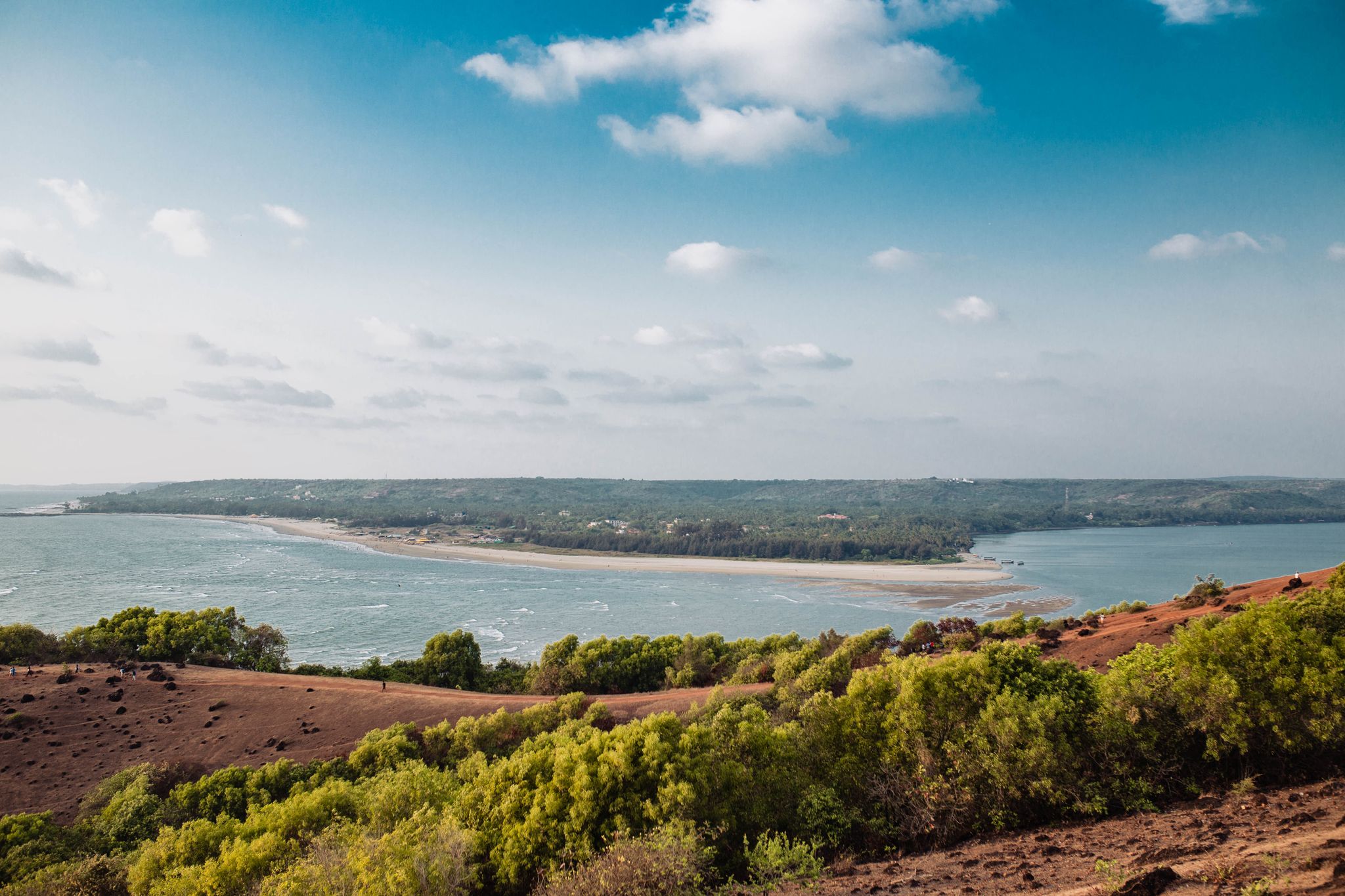
Morjim Beach

Morjim Beach

Goa

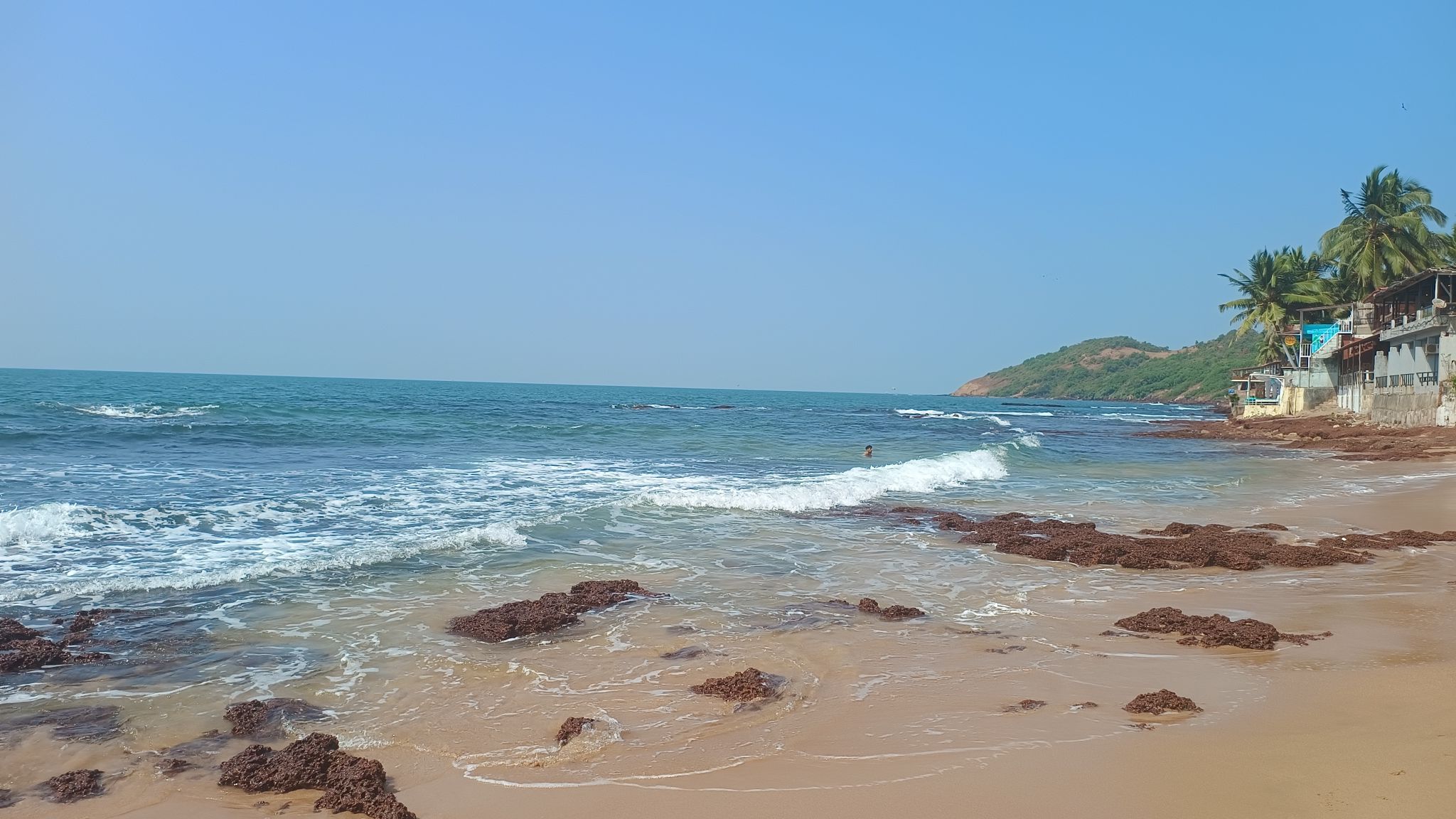
Anjuna Beach

Anjuna Beach

Goa

Galgibaga (Turtle) Beach

Galgibaga (Turtle) Beach

Goa

Old Goa Churches (Velha Goa)

Old Goa Churches (Velha Goa)

Goa

South Goa (Palolem)

South Goa (Palolem)

Goa

Arambol Beach

Arambol Beach

Goa

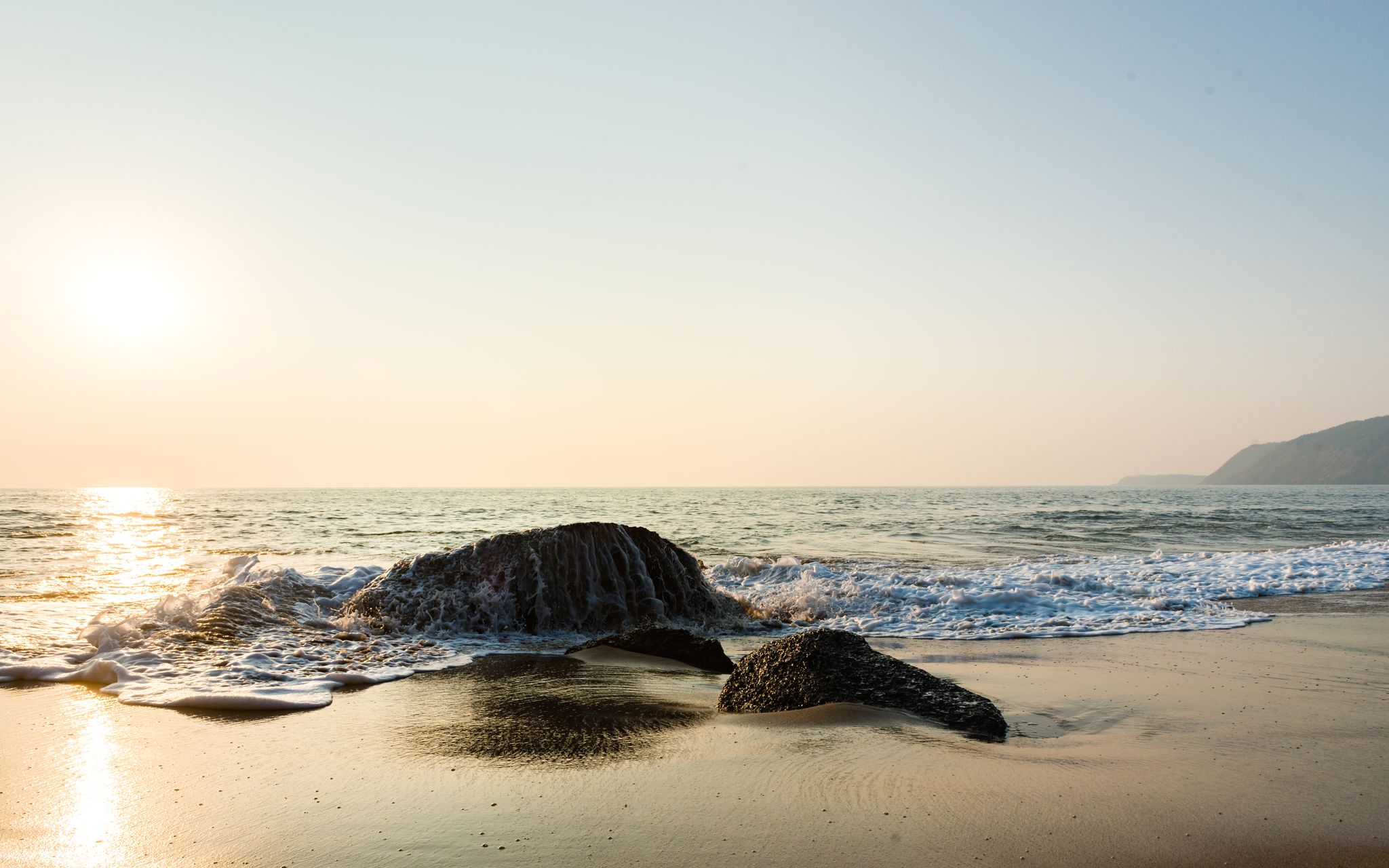
Agonda Beach

Agonda Beach

Goa

Butterfly Beach

Butterfly Beach

Goa

Frequently asked

Is Goa Carnival safe and suitable for families?+

Yes, absolutely. The daytime parades are highly family-friendly and well-secured by Goa Police. Parents should keep a close hold on young children due to large, moving crowds.

What is the meaning of the word 'Carnival'?+

It is derived from the Latin 'Carne Vale,' which translates to 'farewell to meat,' signaling the upcoming Lenten fast where Catholics historically abstained from meat.

Related festivals

Chapchar Kut

cultural

Chapchar Kut

Across Mizoram, with the main celebrations held in Aizawl.

Pattadakal Dance Festival

cultural

Pattadakal Dance Festival

The ancient Pattadakal Temple Complex (a UNESCO World Heritage Site), situated beautifully along the Malaprabha River, Bagalkot district, Karnataka.

Shad Suk Mynsiem

cultural

Shad Suk Mynsiem

The open-air festival grounds at Weiking Field, Jaiaw, Shillong, East Khasi Hills district, Meghalaya.

Hornbill Festival

cultural

Hornbill Festival

Naga Heritage Village in Kisama, located near Kohima, Nagaland.

Mewar Festival

cultural

Mewar Festival

Udaipur, Mewar vistar, Rajasthan.

Rann Utsav

cultural

Rann Utsav

Set in Dhordo and across the expansive Great Rann of Kutch salt desert in Gujarat.

Sindhu Darshan

cultural

Sindhu Darshan

Shey Manla, situated beautifully on the rocky banks of the Indus River, approximately 8 km from Leh, Ladakh.

Moatsu Mong

cultural

Moatsu Mong

Villages of Mokokchung district, Nagaland - the heartland of the Ao Naga tribe.

Travel inspiration in your inbox

New destinations, festival guides and hidden gems — plus the occasional alert. No spam, unsubscribe anytime.

or
CityDekho

Discover India — destinations, hidden gems, festivals and pilgrimages, all in one place.

hello@citydekho.com

Explore

  • Destinations
  • States & UTs
  • Things to do
  • Trip Ideas
  • Pilgrimages
  • Ancient India
  • Festivals

Plan your trip

  • Itineraries
  • Travel guides
  • Road trips
  • Food trails
  • Best time to visit
  • Festival calendar
  • Search CityDekho

Categories

  • Hill Stations
  • Beaches
  • Wildlife
  • Spiritual
  • Adventure
  • Heritage
  • Weekend getaways
  • Hidden gems

Stories & support

  • Editorials
  • Feedback & ideas
  • About
  • Contact
By seasonsummermonsoonautumnwinterspring

© 2026 CityDekho. All rights reserved.

AboutContactFeedbackBest time to visit