

Attraction
The highest Shiva temple in the world at around 3,680 metres, and the third of the Panch Kedar. Three and a half kilometres of paved but steep path up from Chopta. Shuts for winter around November.
4 places to see, with what each one is and how long it takes.
Attraction
The highest Shiva temple in the world at around 3,680 metres, and the third of the Panch Kedar. Three and a half kilometres of paved but steep path up from Chopta. Shuts for winter around November.

Attraction
The summit above Tungnath at about 4,000 metres, another kilometre and a half past the temple. On a clear morning you see Nanda Devi, Trisul and Chaukhamba from it. Start in the dark for sunrise.

Attraction
A small lake that holds a reflection of Chaukhamba on a still morning, about two and a half kilometres up from Sari village. Camping on the far bank is permitted and is why most people come.

Attraction
The winter seat of the Kedarnath deity, twenty-nine kilometres down the valley. From November to April the idol is worshipped here instead, which makes this the place to come in the months the high temples are closed.
Not in Chopta (Tungnath) — these are in other towns across the state.


Viewpoint
The confluence of the Bhagirathi and Alaknanda that forms the Ganga.

Attraction
Valley of Flowers National Park
Six kilometres above Ghangaria on the other fork, at about 4,600 metres. Most people do the valley one day and Hemkund the next rather than both at once.

Attraction
The ancient stone Jyotirlinga temple of Lord Shiva amid snow peaks.

Experience
The park's most prized core zone for tiger and elephant sightings.

.jpg?width=2048)
Attraction
The valley shares Ghangaria as a base with Hemkund, and the two are the standard pair. Day entry only, no camping inside, and the flowers peak in late July and August.

Attraction
Fifteen kilometres out, and the most crowded thing in the district — the fall now sits inside a ring of ropeways, stalls and concrete steps. Come very early or skip it.

Attraction
A slab of rock beside the temple where Bhagirath is said to have sat to bring the Ganga down. A minute from the main shrine.

Attraction
On Bilwa Parvat above the town, three kilometres up by ropeway or on foot. Pilgrims tie a thread here and come back to untie it if the wish is granted.

Attraction
The last village before the Tibet border, three kilometres on from the temple and one of the highest inhabited places in India. There is a cave attributed to Vyasa and a tea shop that bills itself as the last in the country.

Attraction
A boiling spring beside the temple, hot enough that pilgrims lower rice and potatoes into it in cloth bundles and carry them home as prasad. That is the thing to stand and watch.

Viewpoint
The famous viewpoint ridge above Kasar Devi, lined with cafes and known for sweeping Himalayan panoramas.
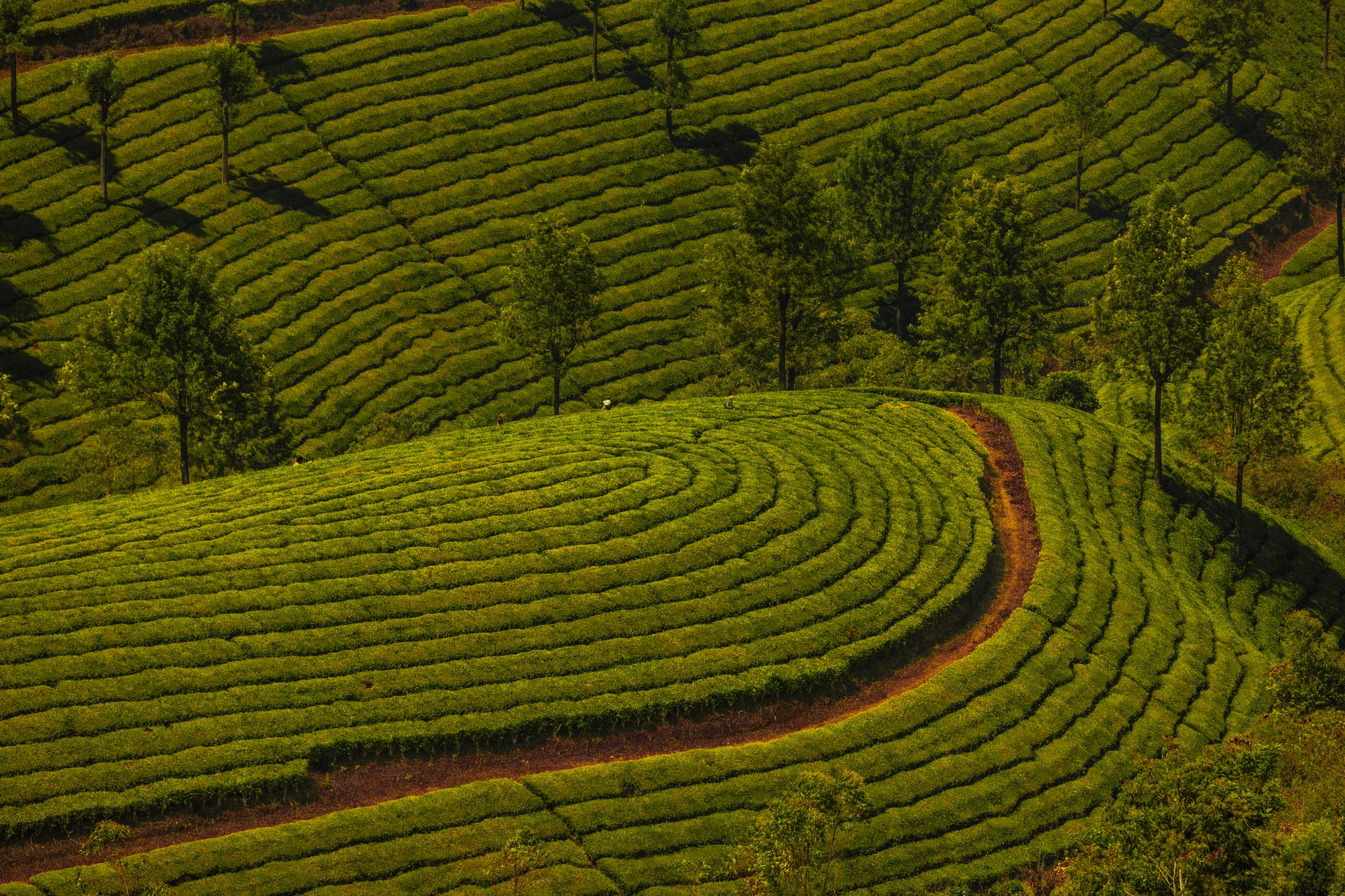
Experience
A scenic organic tea garden where visitors can walk the rows and buy fresh Kumaon tea.

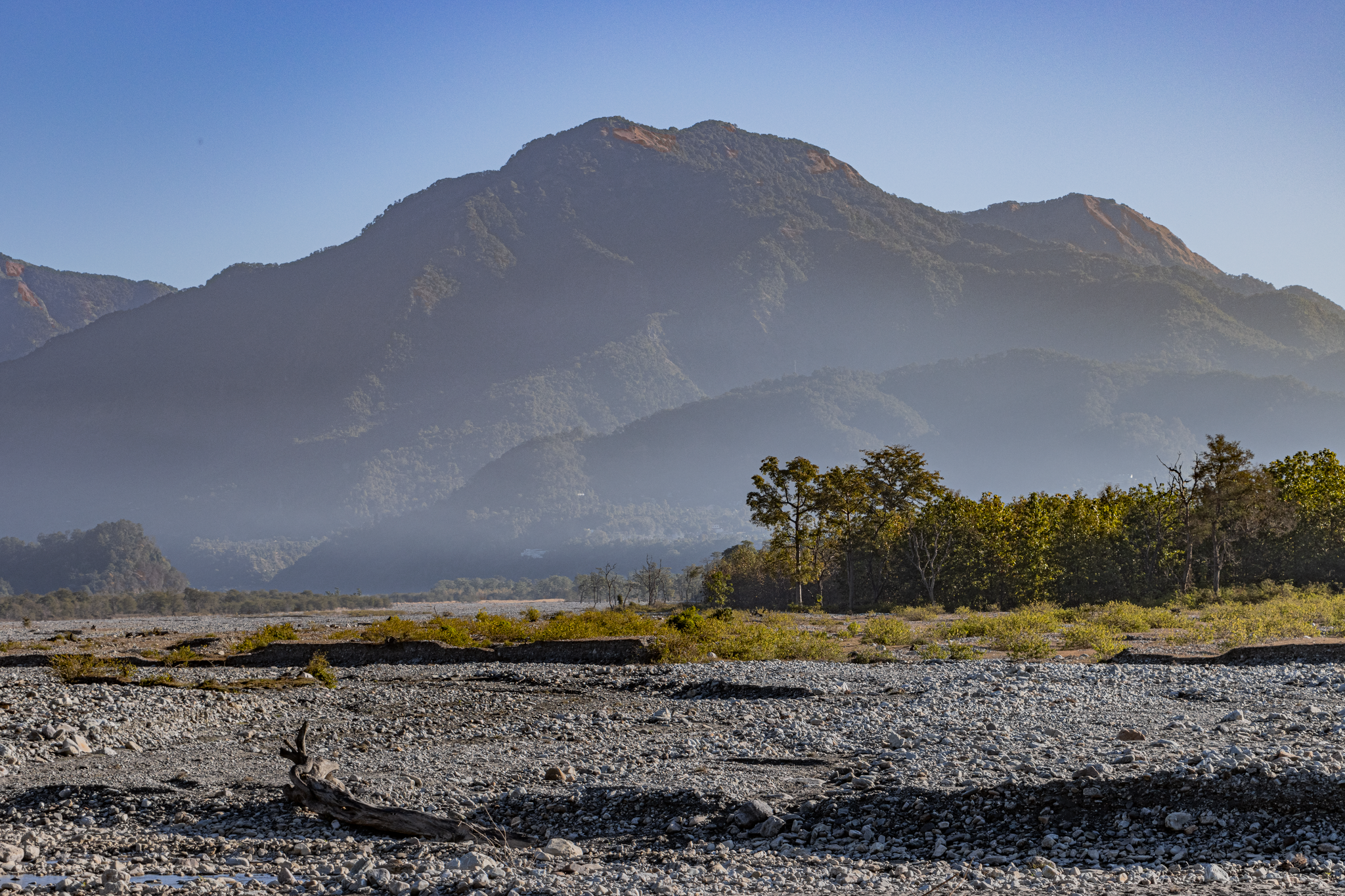
Attraction
The naturalist's former home, now a museum on his life and work.
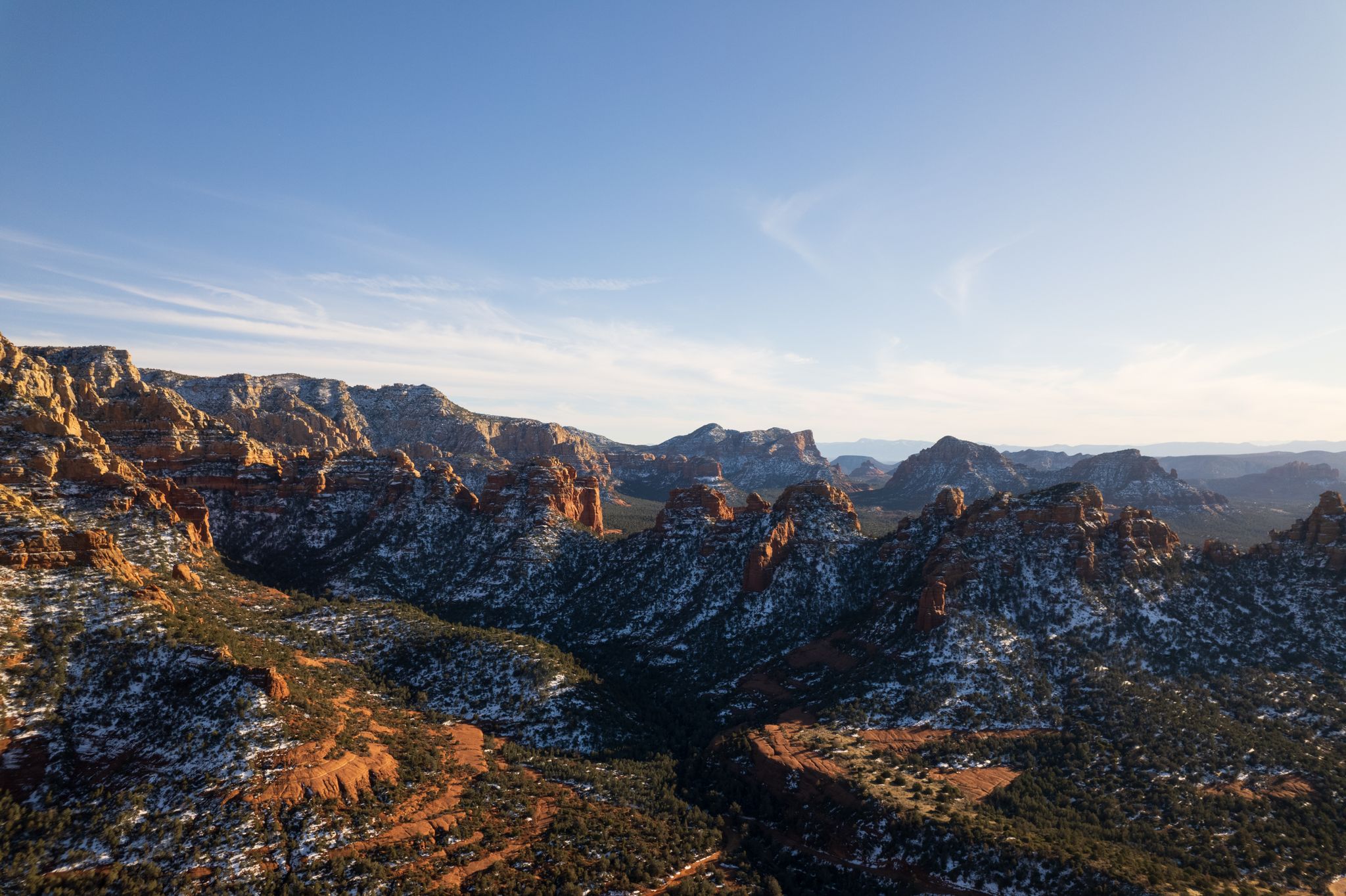
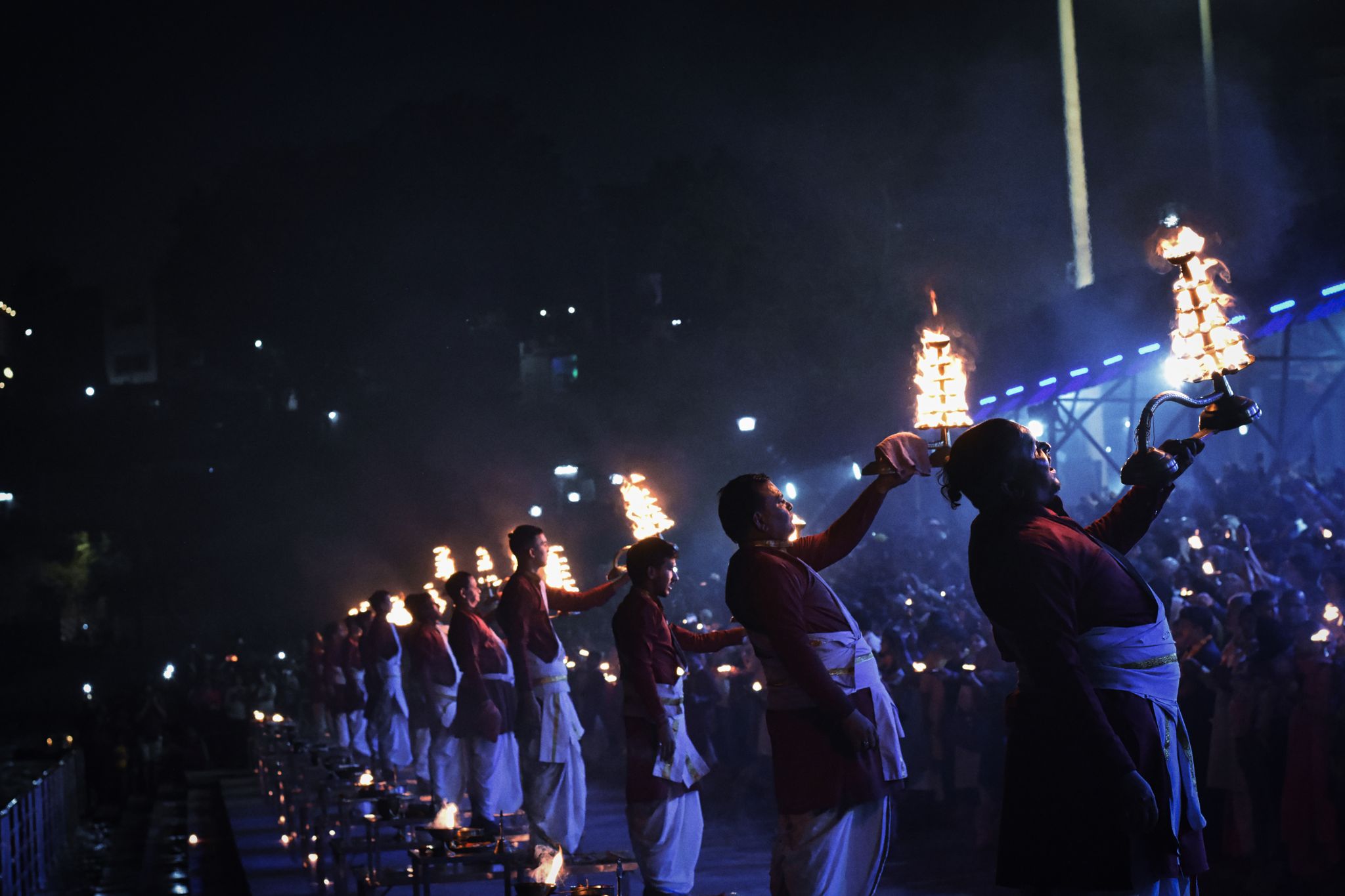
Experience
The main bathing ghat in Rishikesh town, and where the evening aarti happens. Smaller and less performed than Haridwar's, and much easier to sit through.