Himachal Pradesh
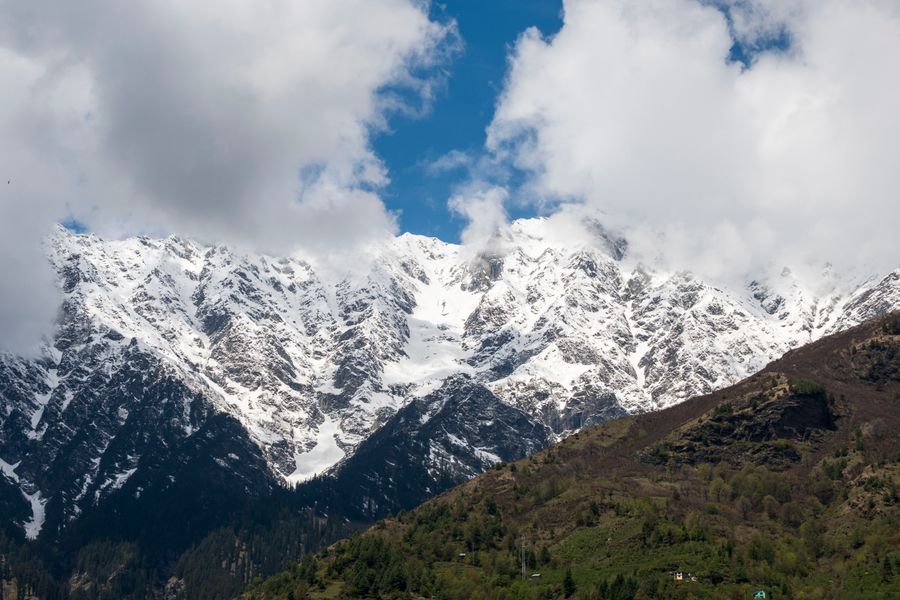
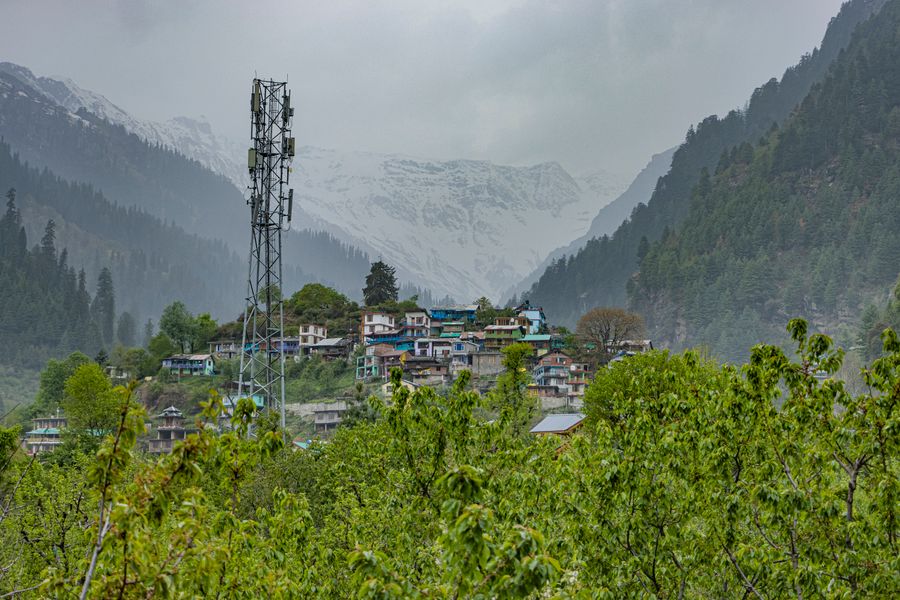
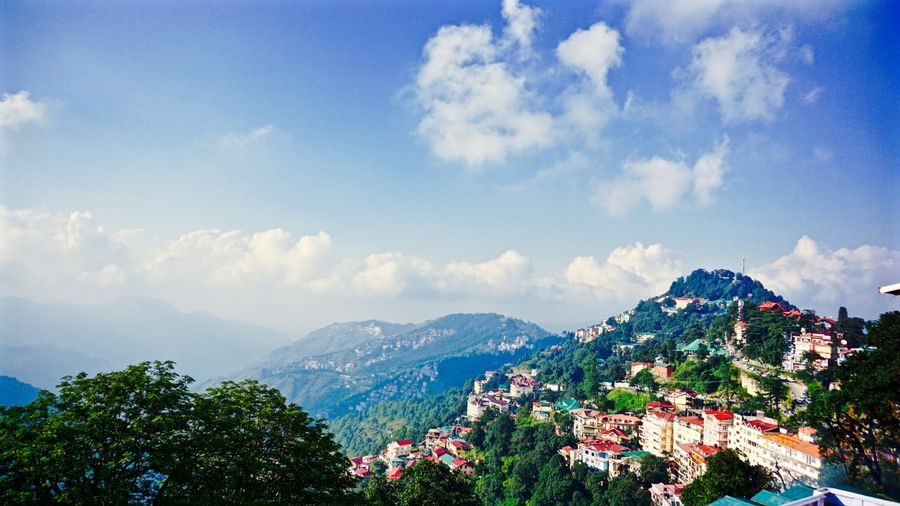
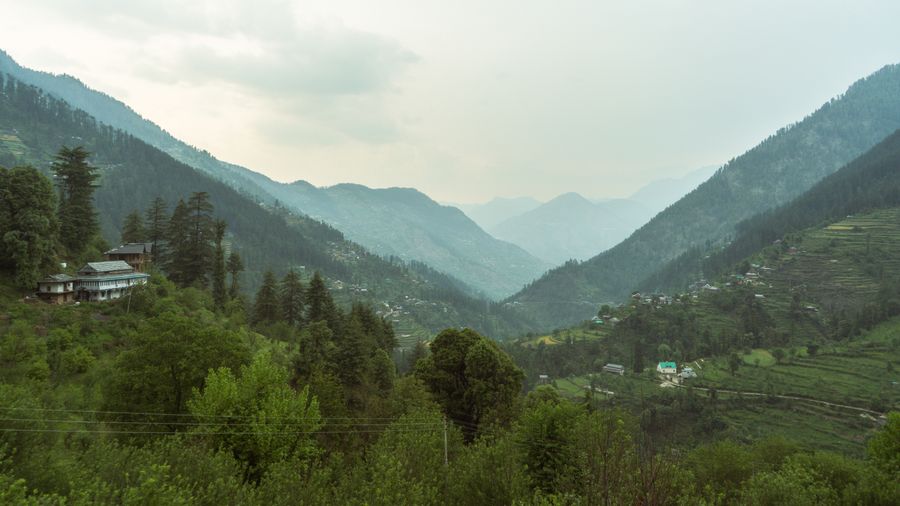
A classic six-day loop through Himachal's three most-loved hill towns — colonial Shimla, the green Kullu valley and adventure-ready Manali.
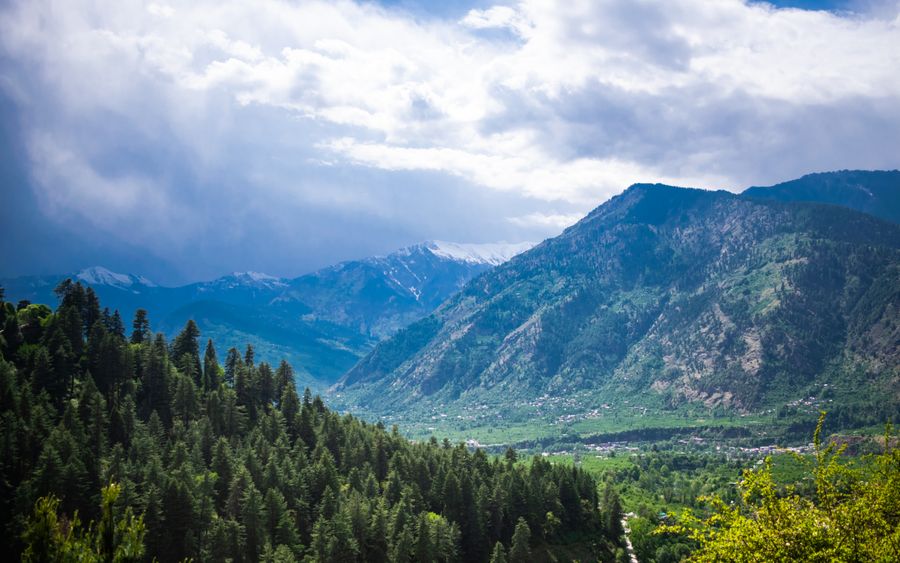
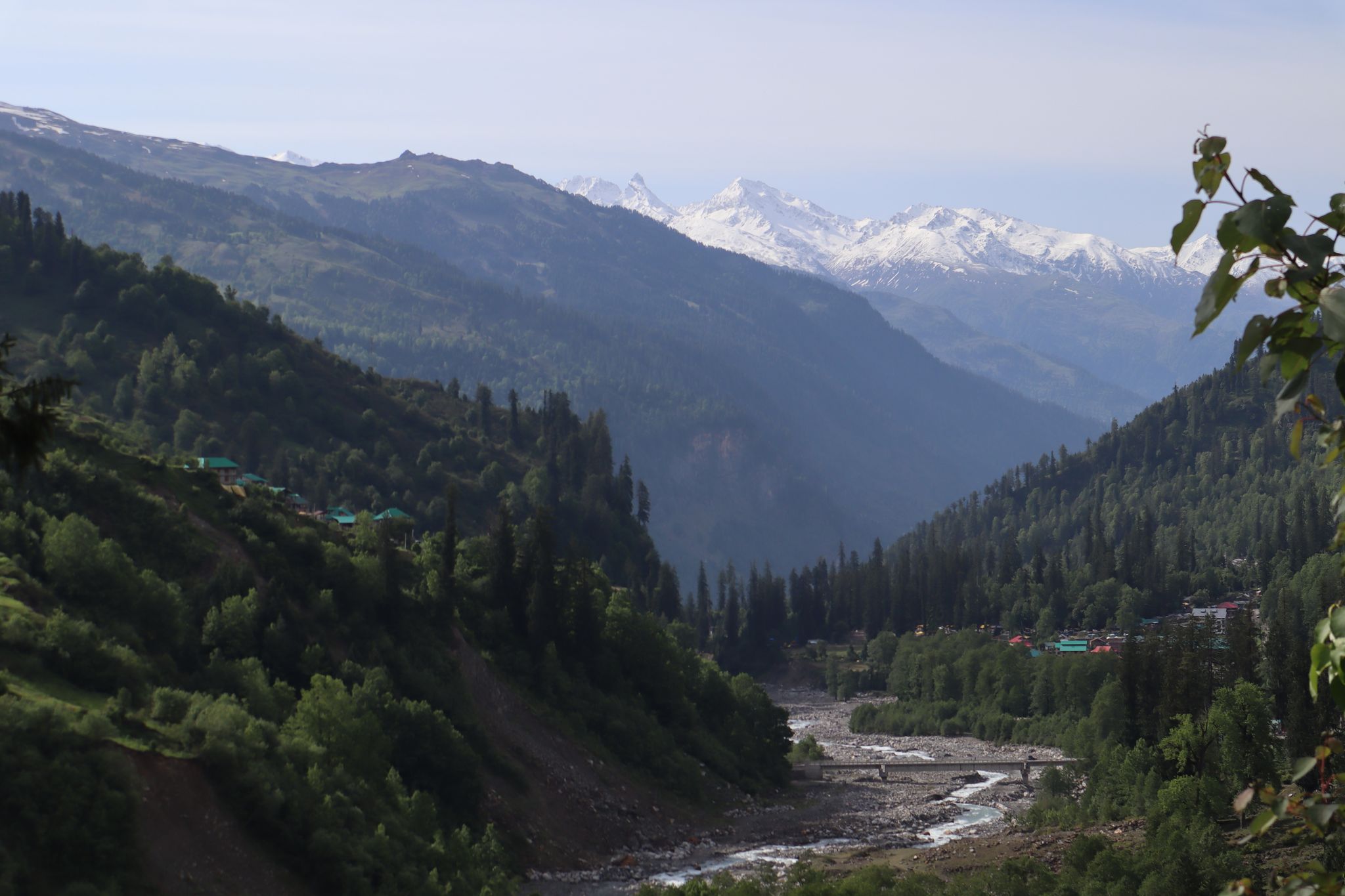
Himachal Pradesh's "big three" hill stations string together into one of India's most rewarding mountain circuits. This six-day guide starts in Shimla — the old summer capital of British India, still lined with colonial architecture along its car-free Ridge — then drops into the apple-growing Kullu valley before finishing in Manali, the launch pad for the high Himalaya.
You'll ride a UNESCO World Heritage narrow-gauge train, walk to a 16th-century cedar-wood temple, try paragliding at Solang and wind down in the riverside cafés of Old Manali and Kasol. Every stop below is a real place on CityDekho — open any of them for photos and directions, then save the guide or make it your own.
6 days / 5 nights
March–June & September–November
~250 km, Shimla to Manali
Easy
Shimla · Kullu · Manali
Day 1
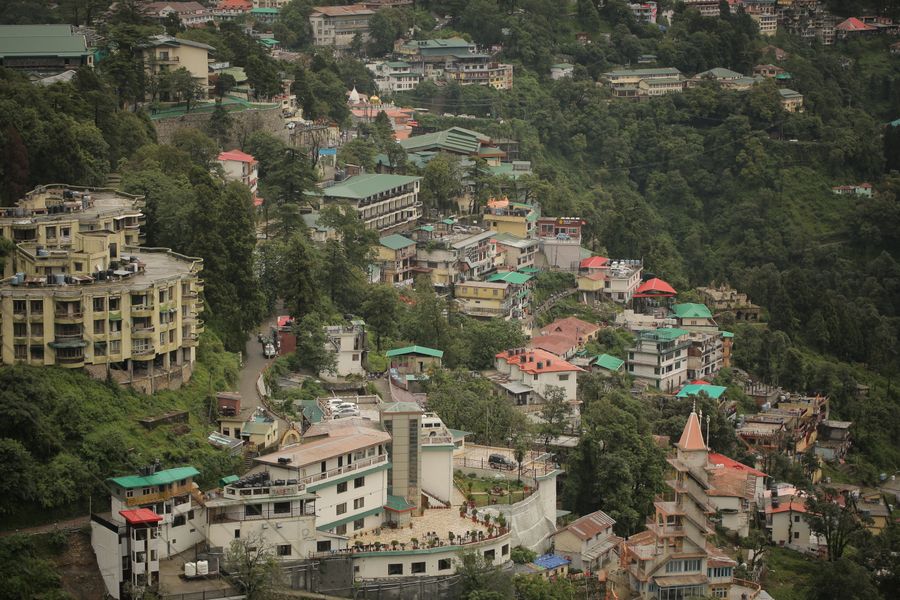
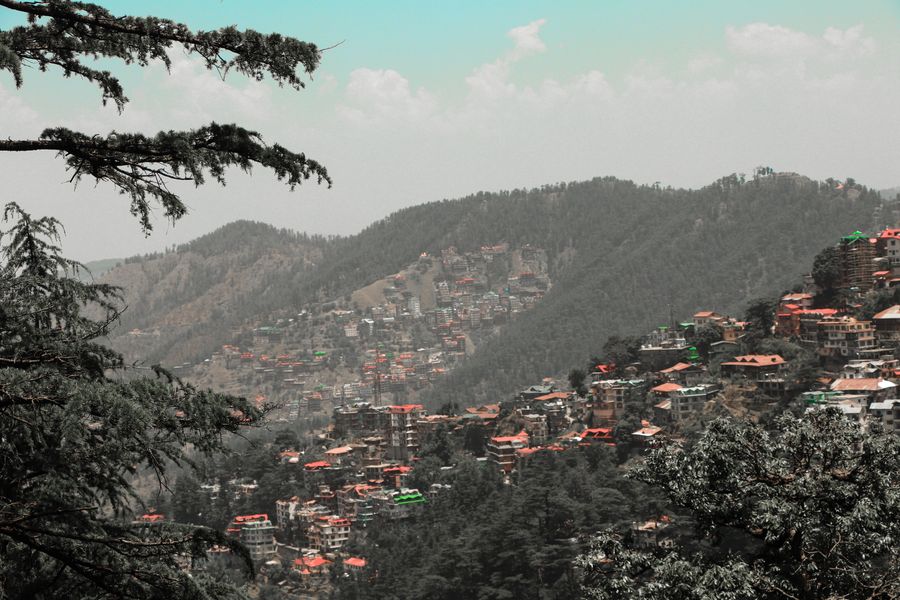
Settle into Shimla and take it slow. The old town is best explored on foot along the ridgeline, ending with a sunset walk on the Mall.
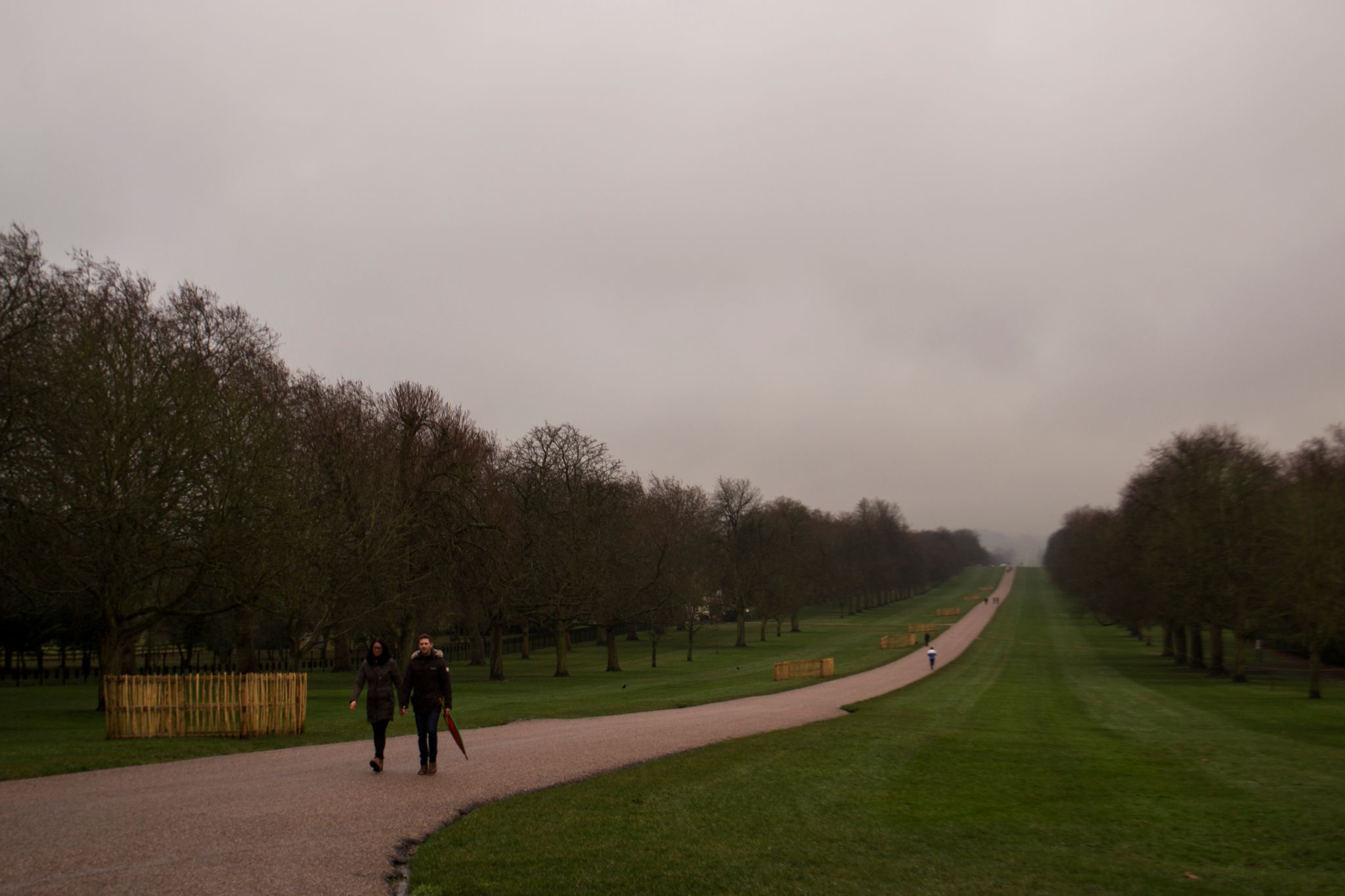
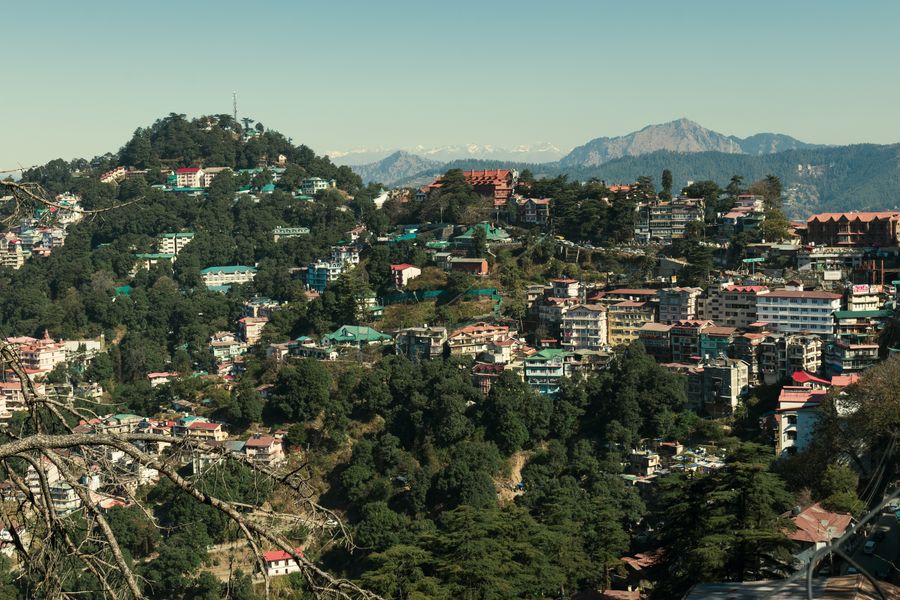
Shimla's colonial promenade runs along the ridgeline at about 2,200 m, past Christ Church and the Gaiety Theatre — best enjoyed on an evening stroll.
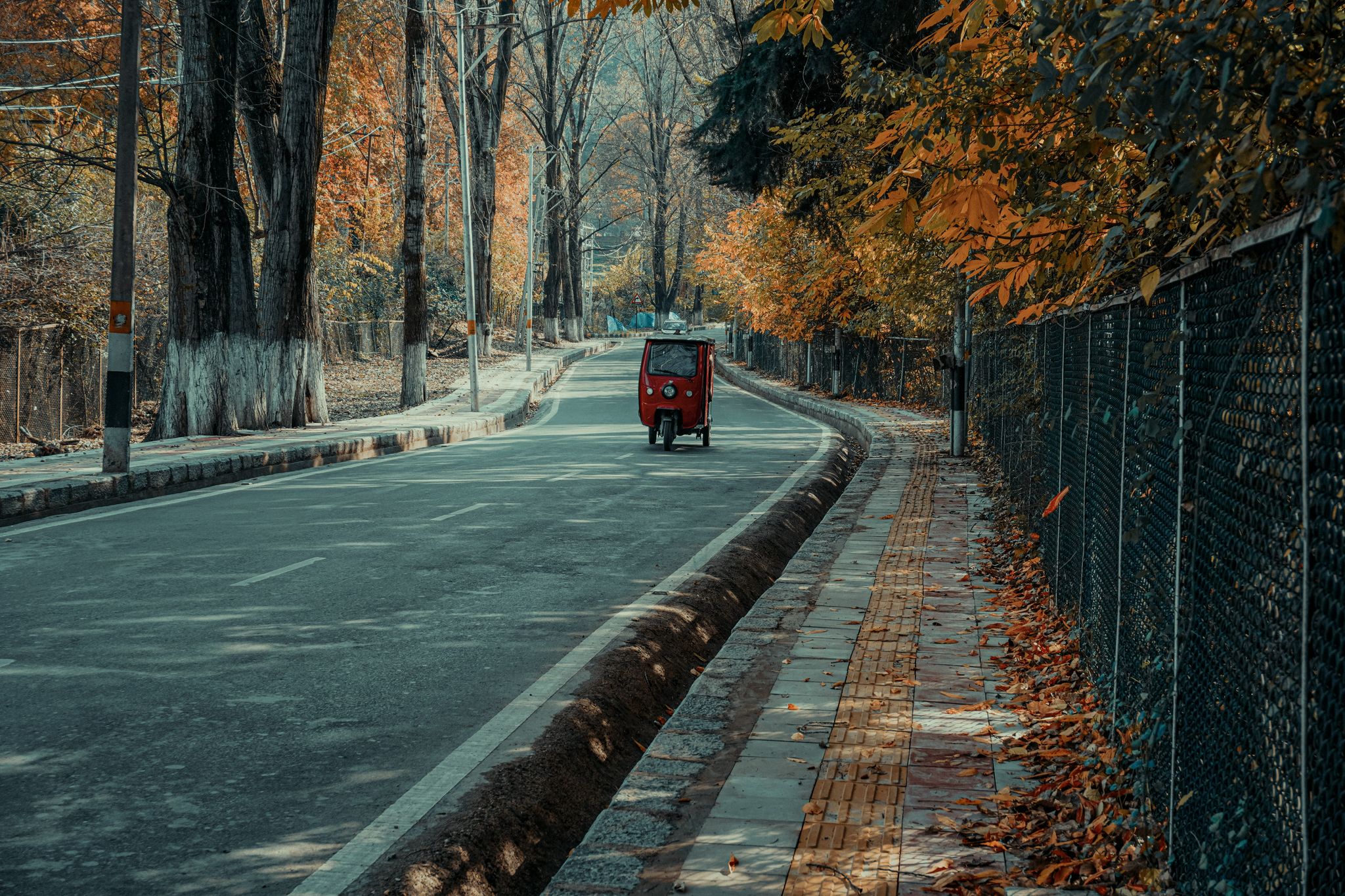
The car-free shopping street just below the Ridge, lined with old bakeries, cafés and Himachali handicraft shops.
Day 2
Give the morning to the famous mountain railway, then keep the afternoon gentle around the Ridge.
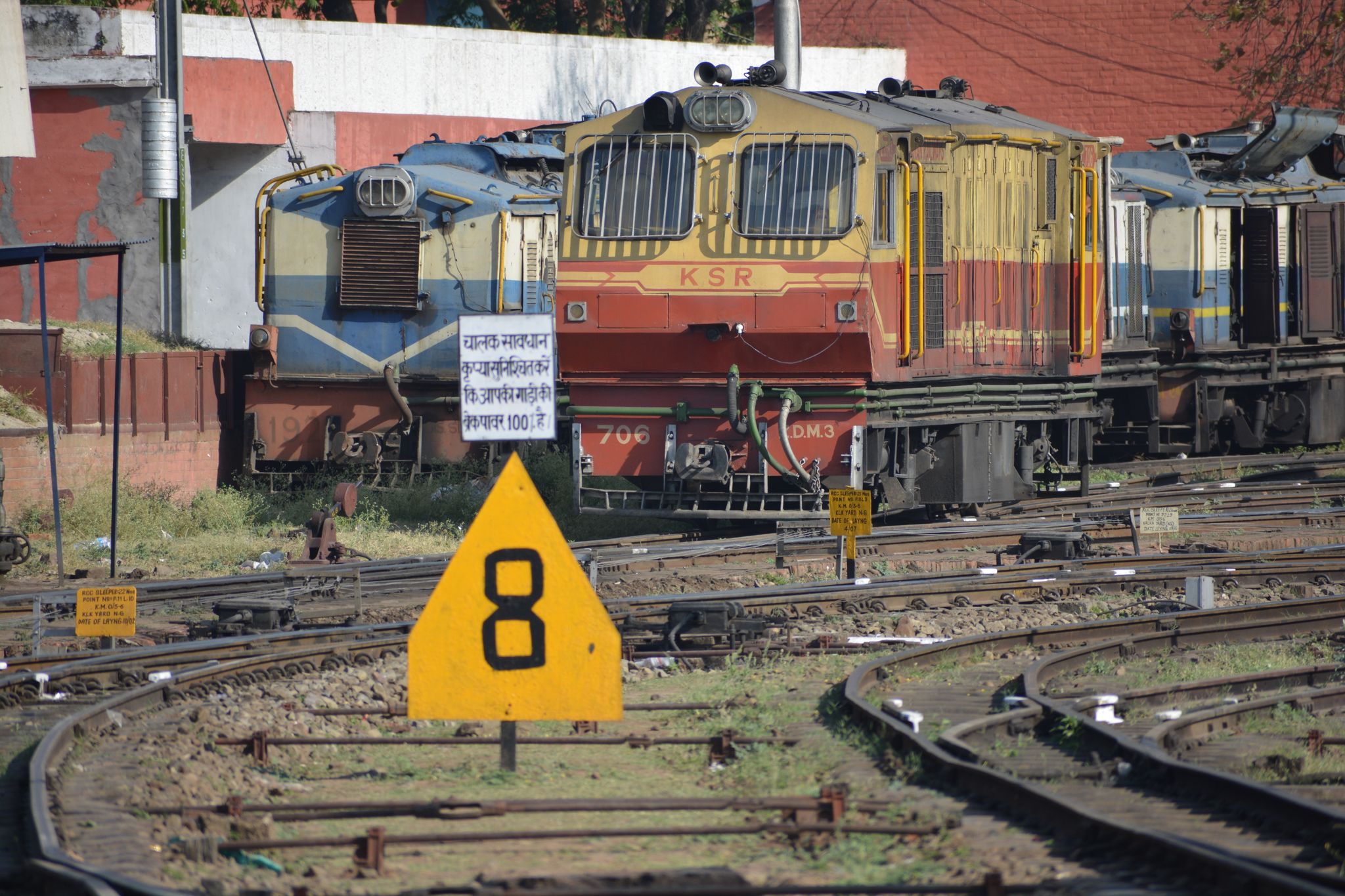
Ride the UNESCO-listed Kalka–Shimla narrow-gauge railway (inscribed in 2008 as part of the Mountain Railways of India). The roughly 96 km line climbs through more than 100 tunnels and hundreds of bridges.

The open ridgeline square is Shimla's social heart, with wide Himalayan views on a clear day.
Day 3
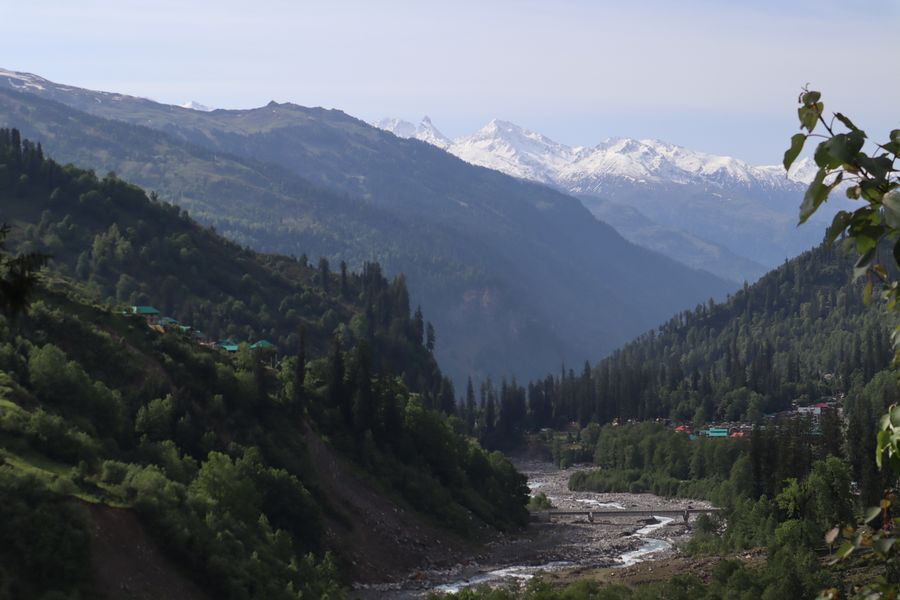
Drive down to the Beas-river valley of Kullu, the cultural home of the famous Dussehra festival.
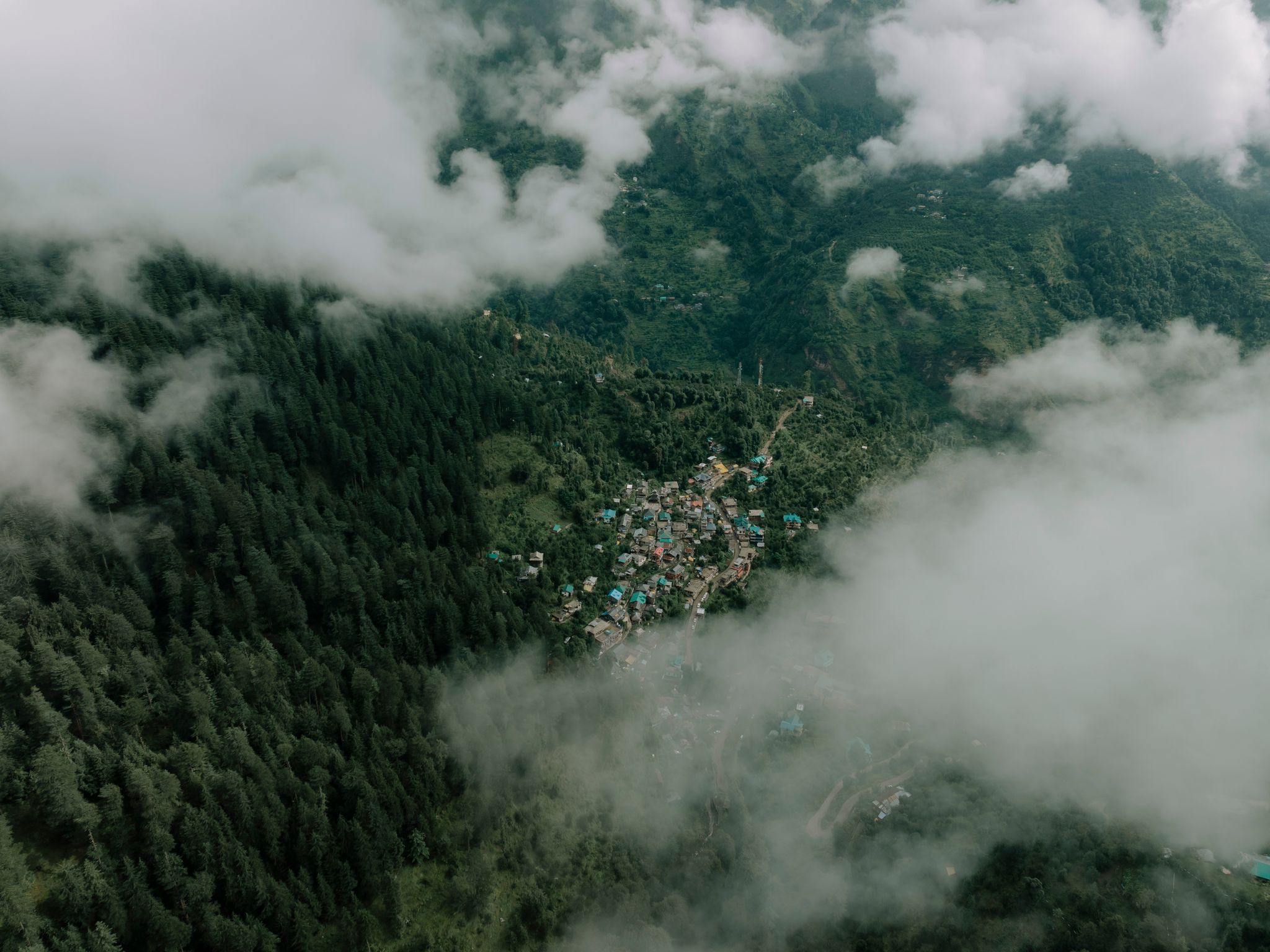
The apple-orchard valley on the Beas river and the cultural home of the internationally known Kullu Dussehra.
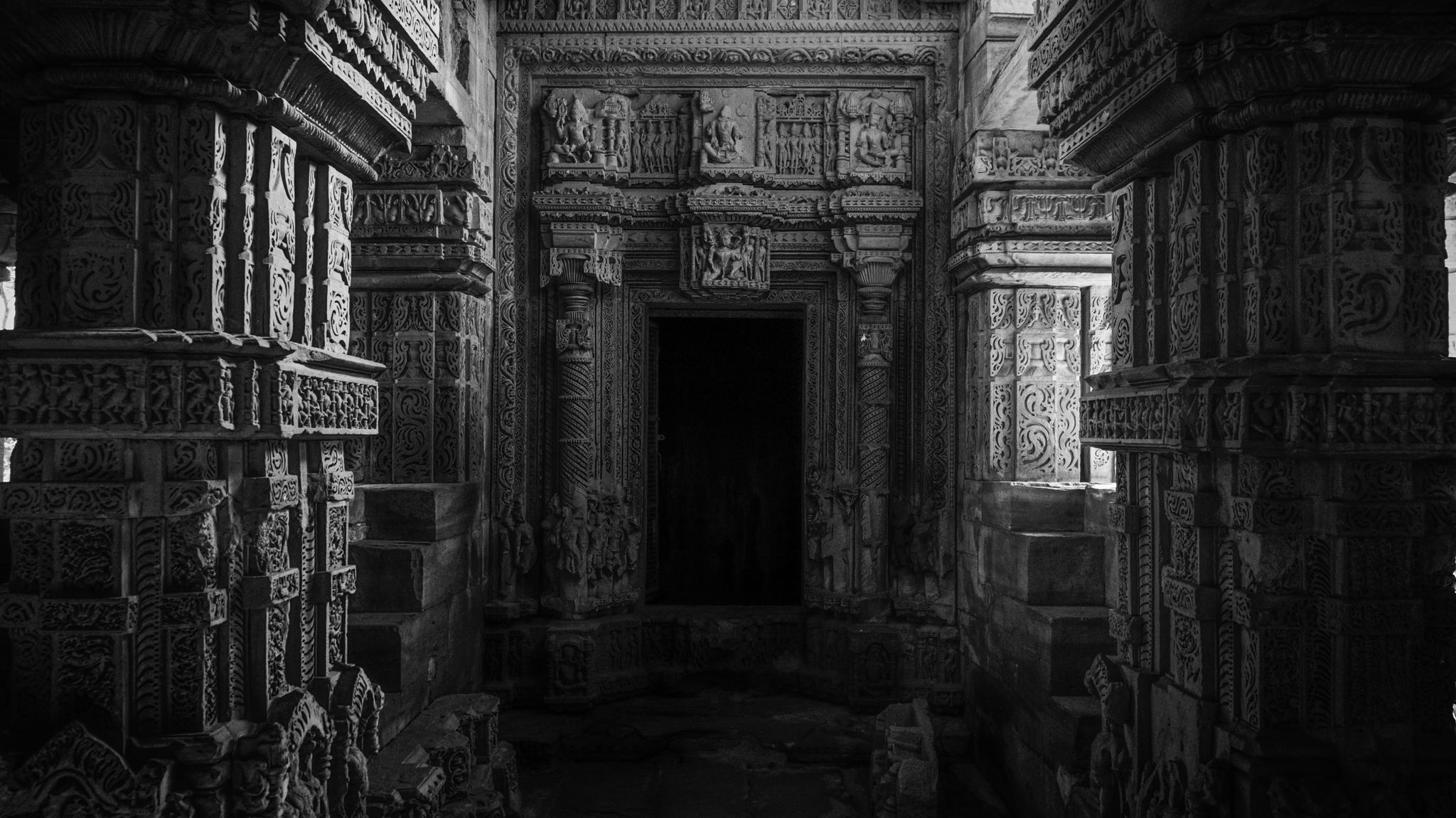
The 17th-century temple of Raghunath, the presiding deity carried through Kullu's week-long Dussehra procession.
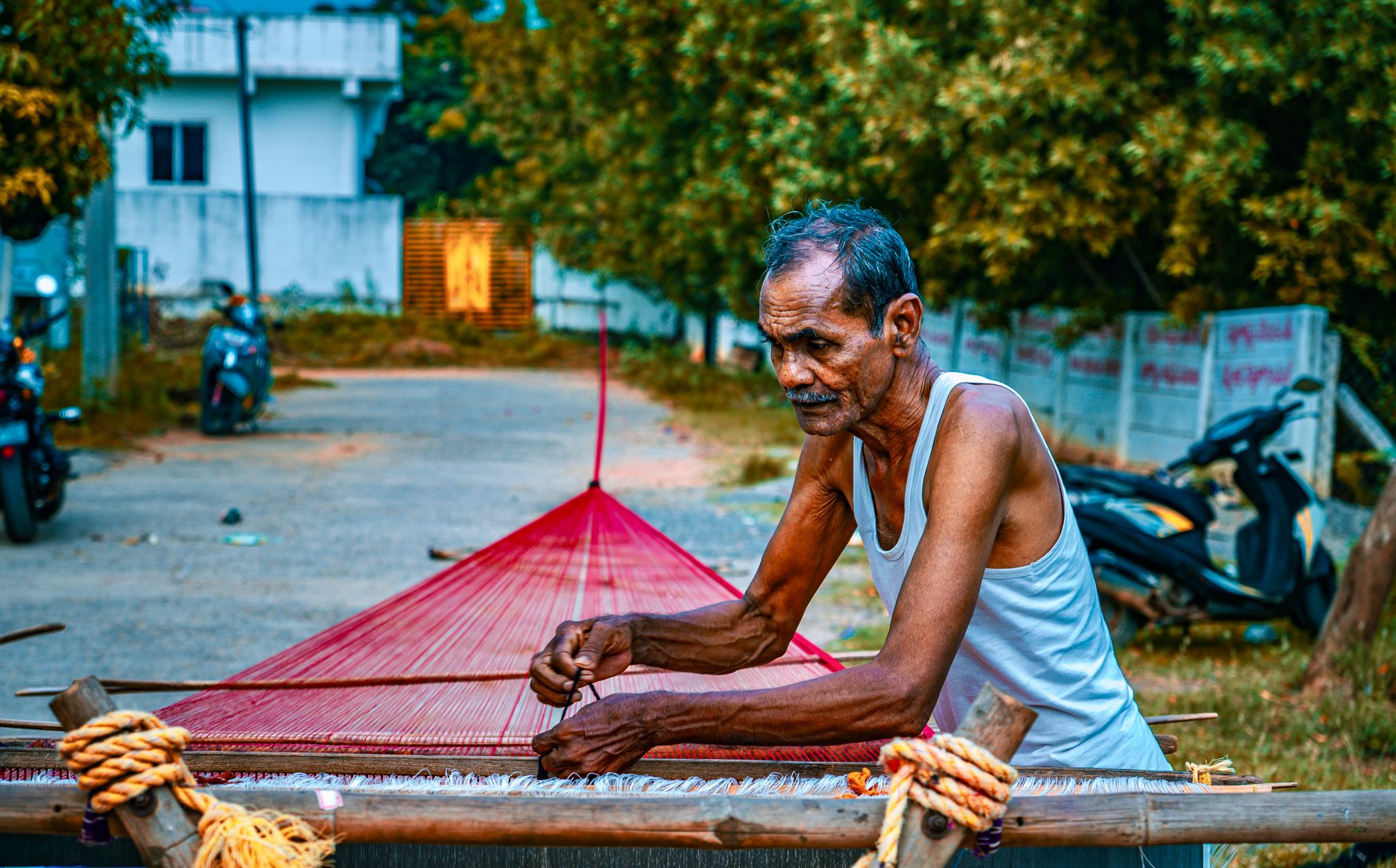
Bhuttico, a Kullu weavers' cooperative founded in 1944, is a dependable place to see and buy genuine Kullu shawls and caps.
Day 4
Continue to Manali. Morning at the historic Hidimba temple, then an easy evening in Old Manali.
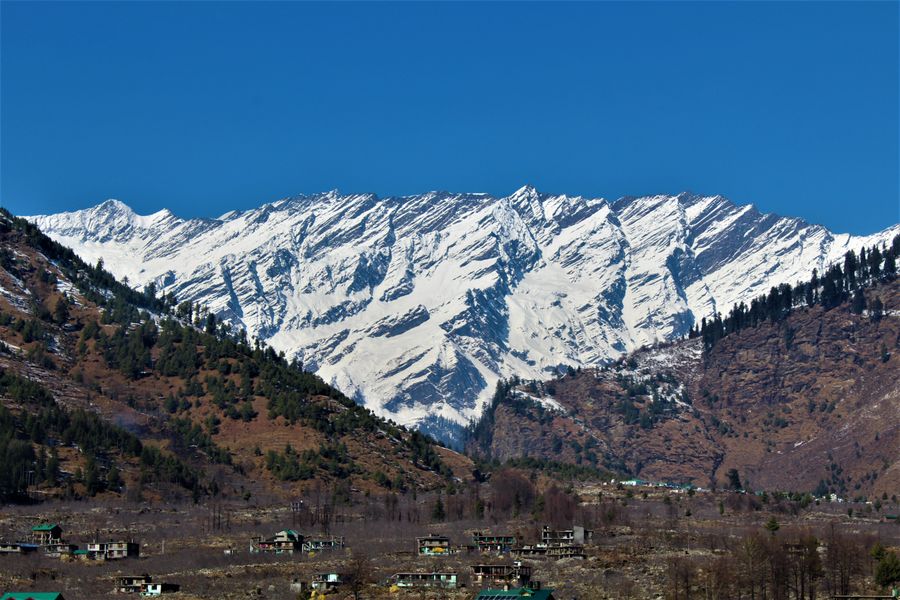
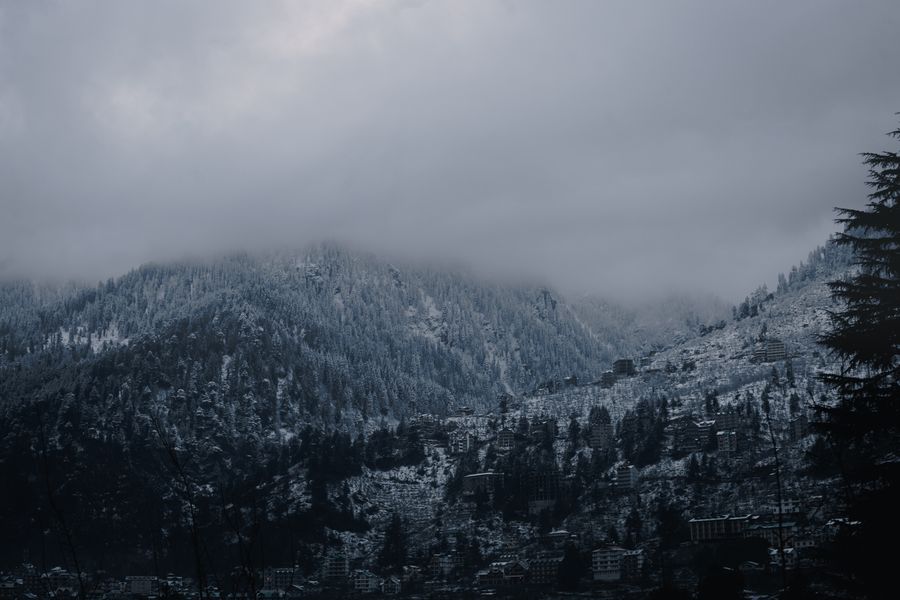
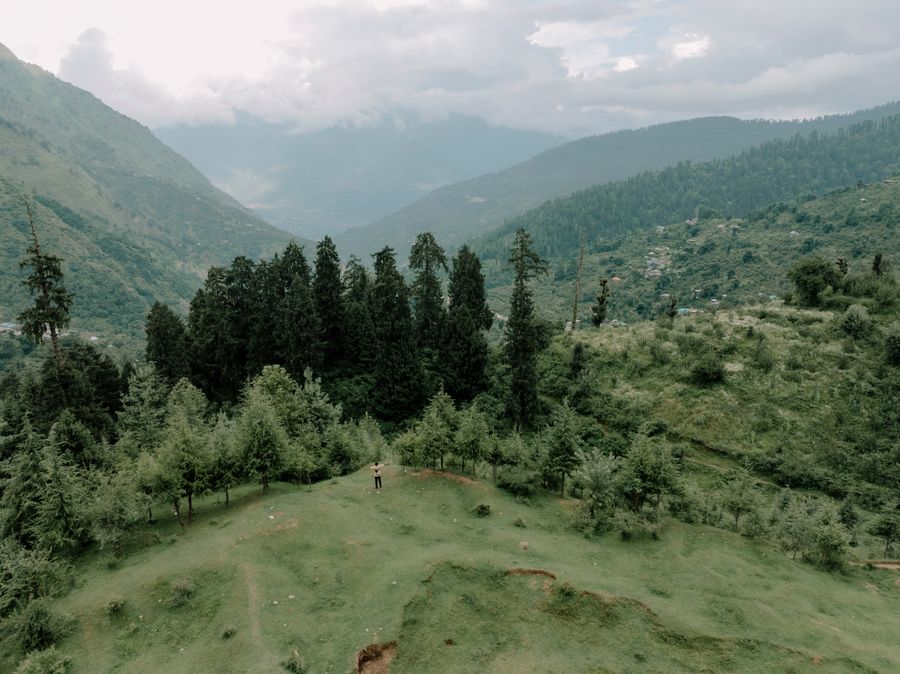
The Beas-valley resort town at about 2,050 m and the base for trips into the higher Himalaya.
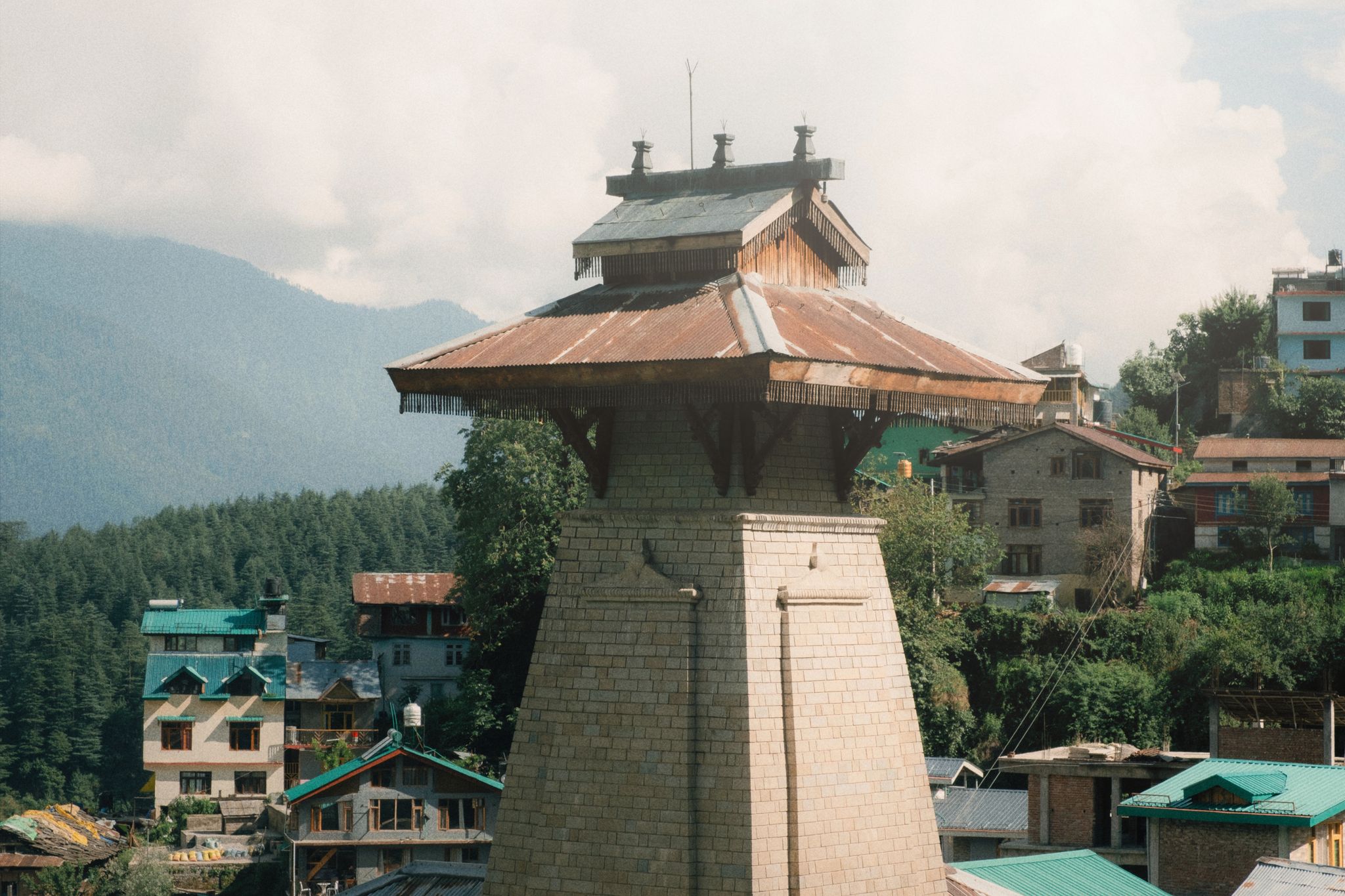
A wooden pagoda temple built in 1553 in the Dhungri cedar forest, dedicated to Hidimba Devi of the Mahabharata.
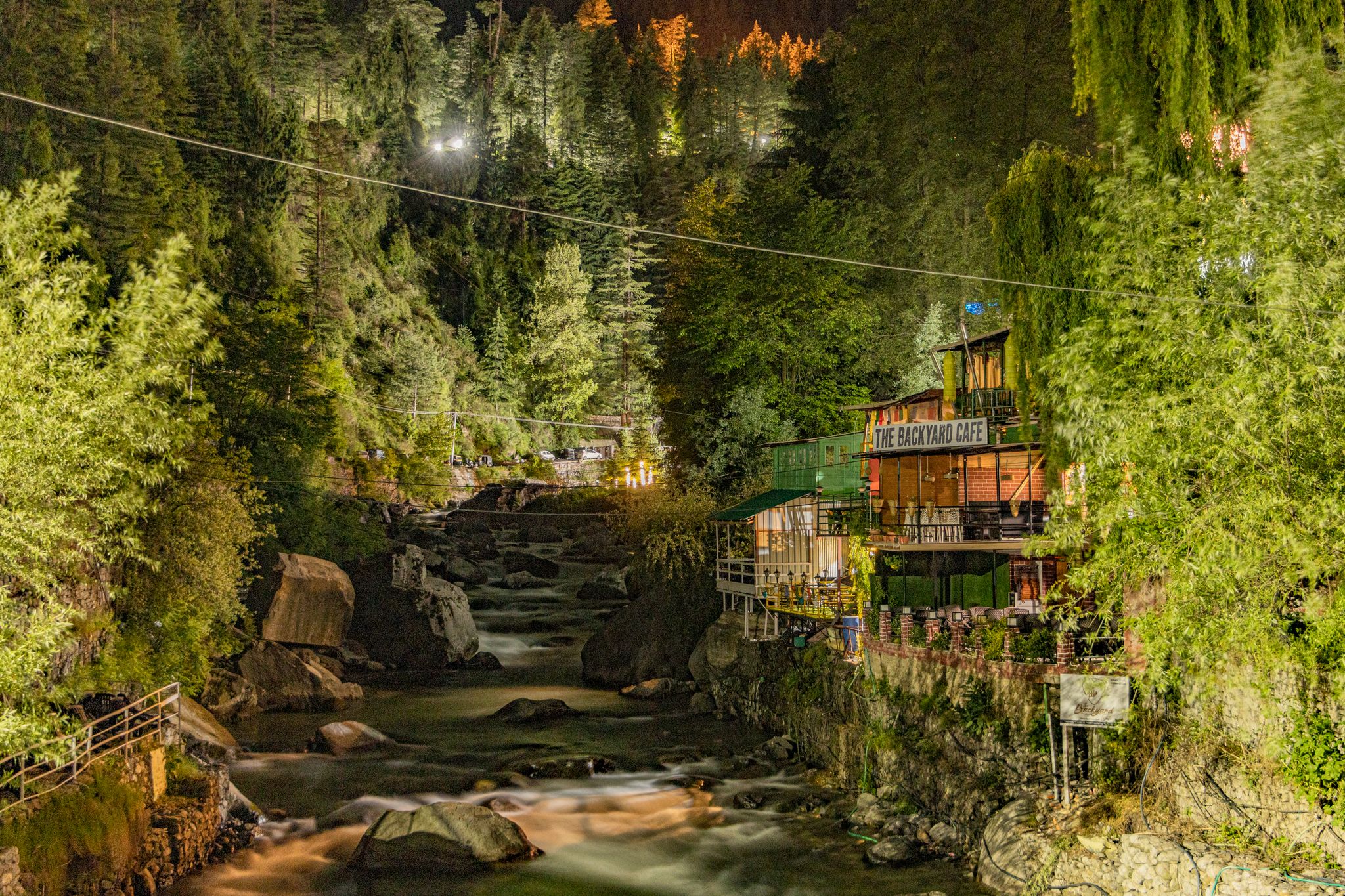
Old Manali's lane of riverside cafés and guesthouses above the main town — relaxed and walkable.
Day 5
If the road is open, continue through the 9.02 km Atal Tunnel (opened 2020) toward Lahaul for a taste of the trans-Himalaya; Rohtang Pass itself needs a separate permit.
Day 6
With an extra day, detour into the Parvati valley — Kasol is an easy, mellow finale before heading home.
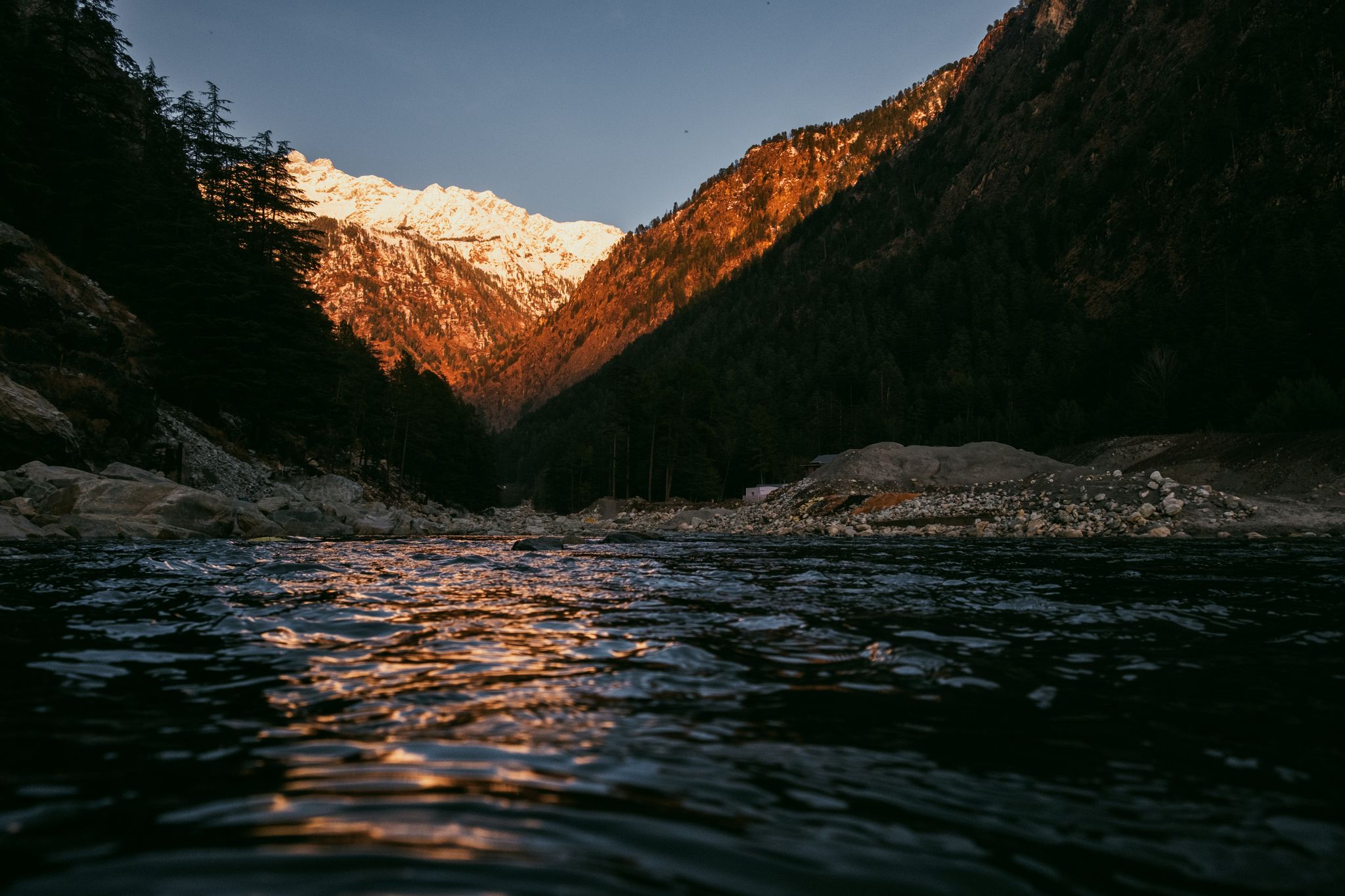
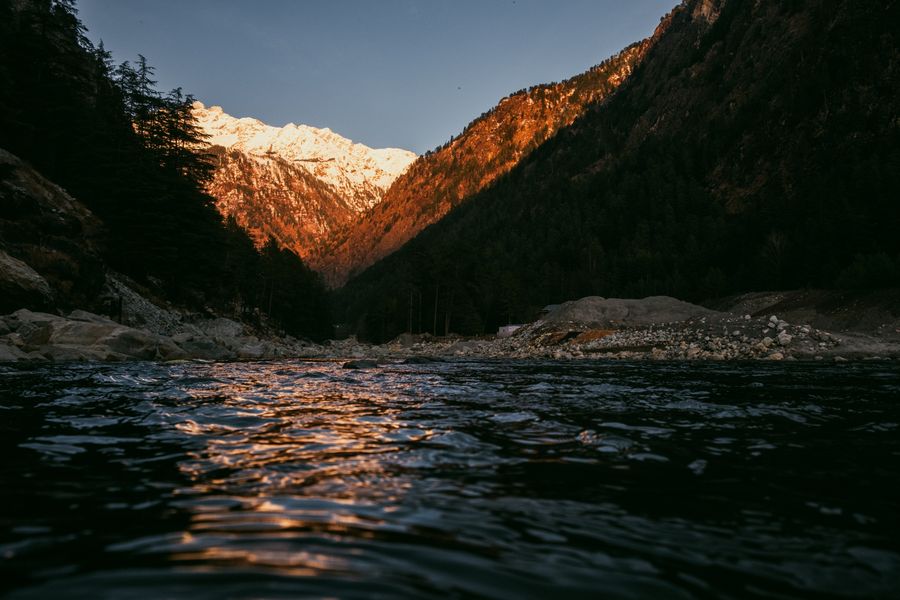
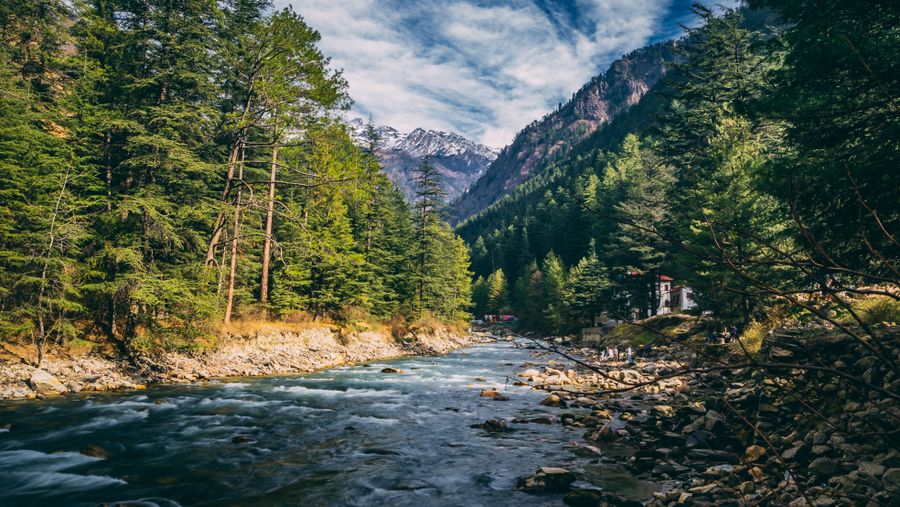
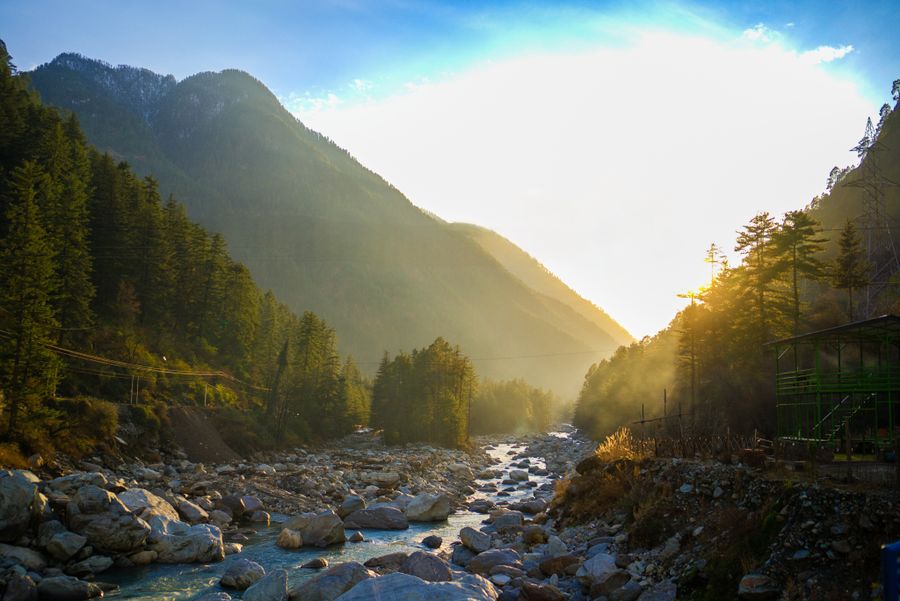
A riverside village on the Parvati, gateway to the Kheerganga and Malana treks and known for its café culture.
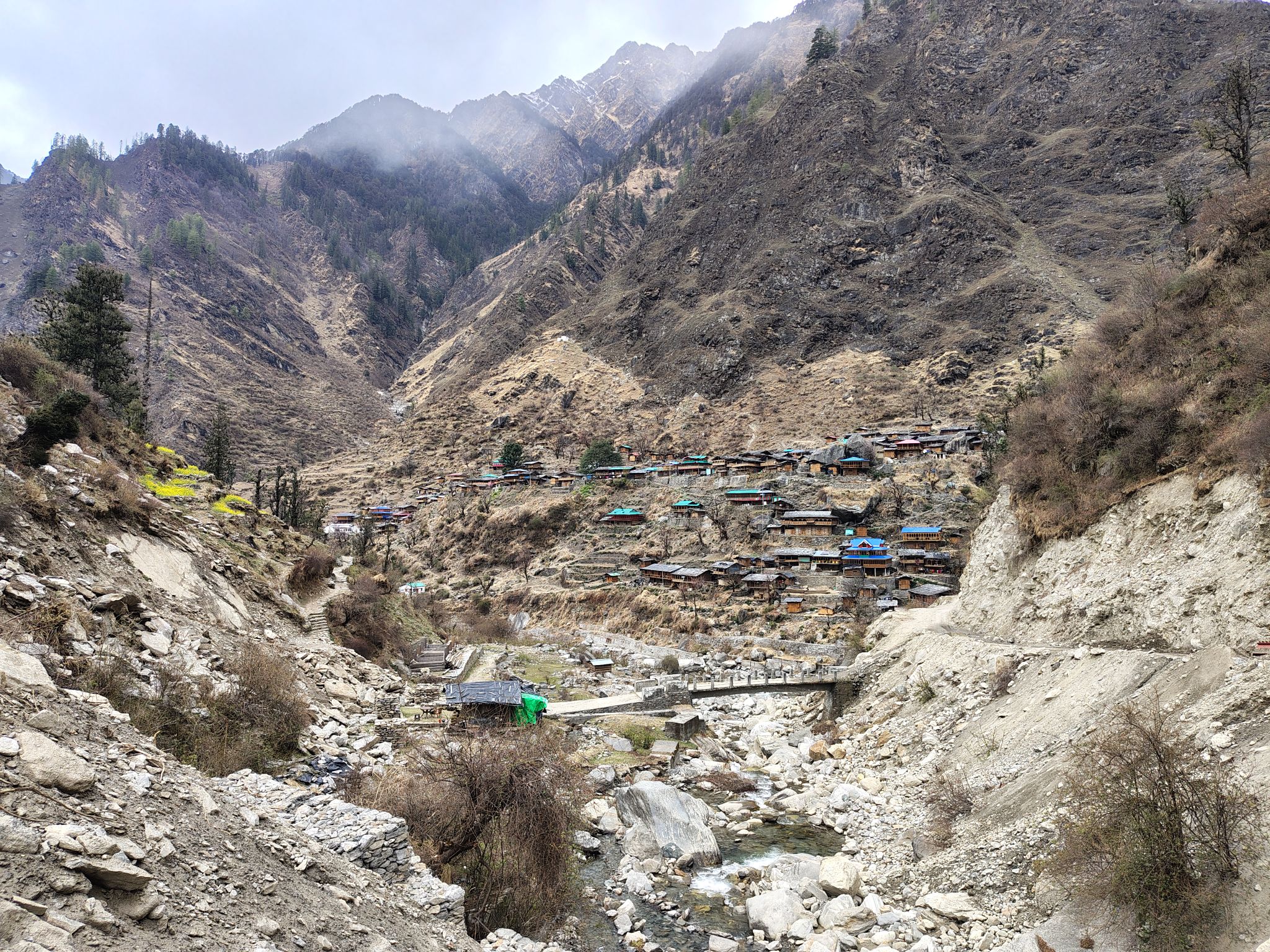
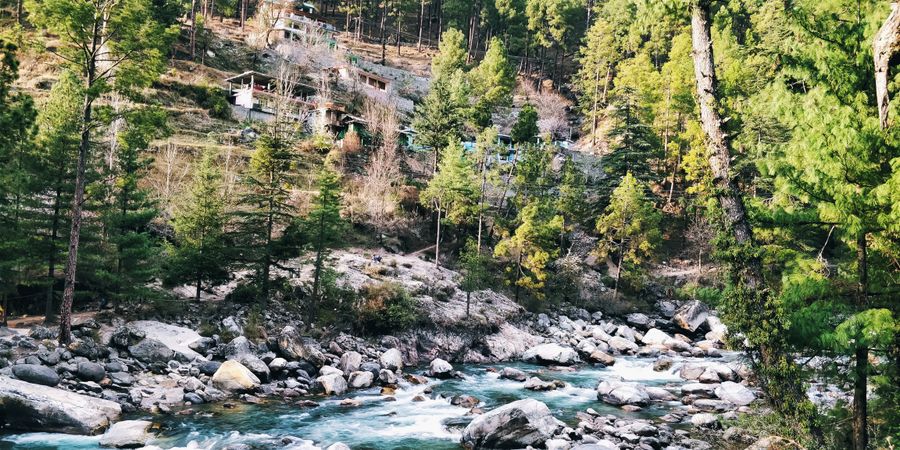
An easy 30-minute walk along the Parvati river from Kasol to the hamlet of Chalal.
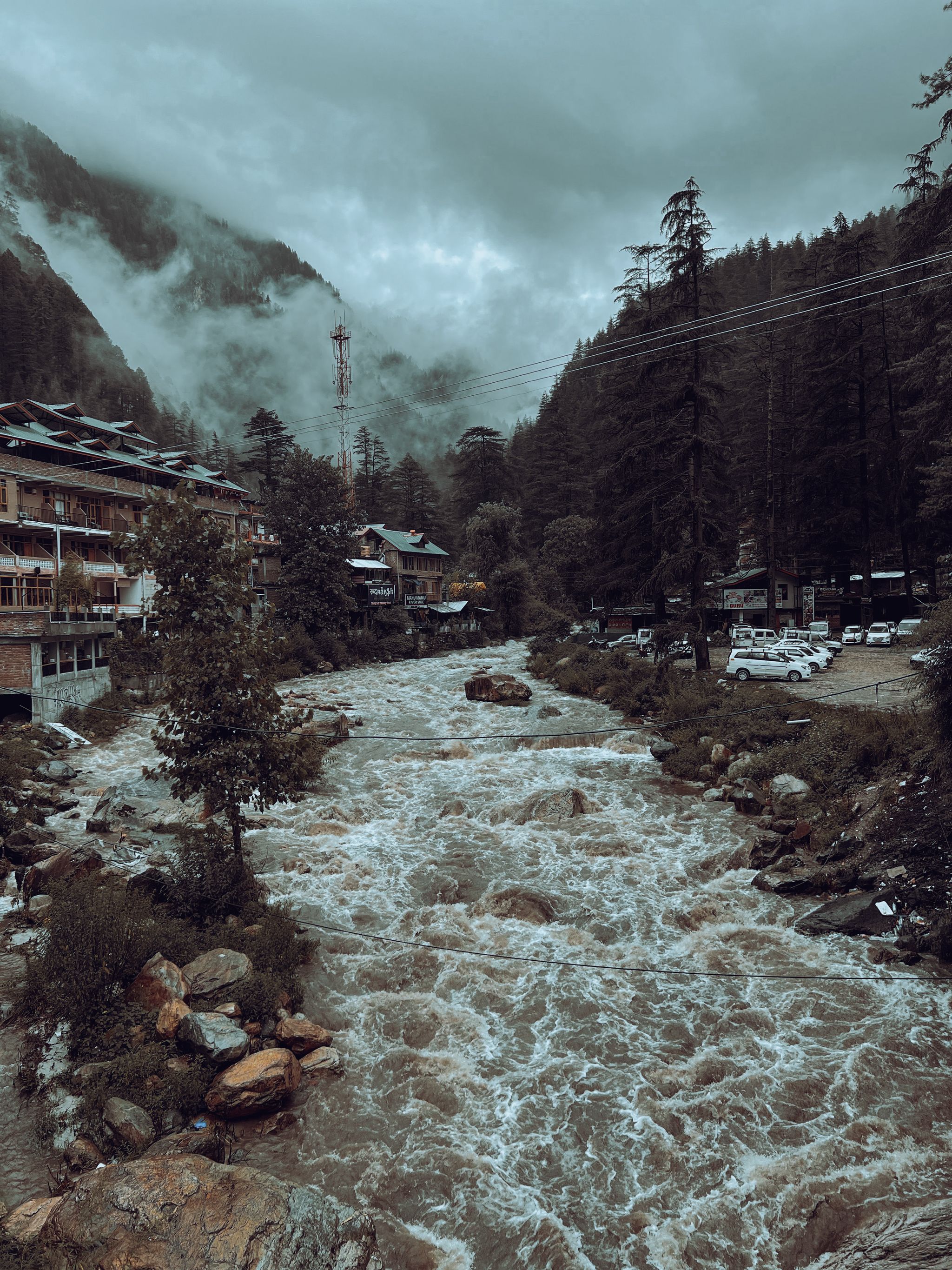
Kasol's compact market is full of cafés serving Israeli and Himachali food — a mellow end to the trip.
Copy this guide into your own planner and adjust the days, stops and pace — or browse more real itineraries.