
.jpg?width=2048)
Himalayan India
India Trails
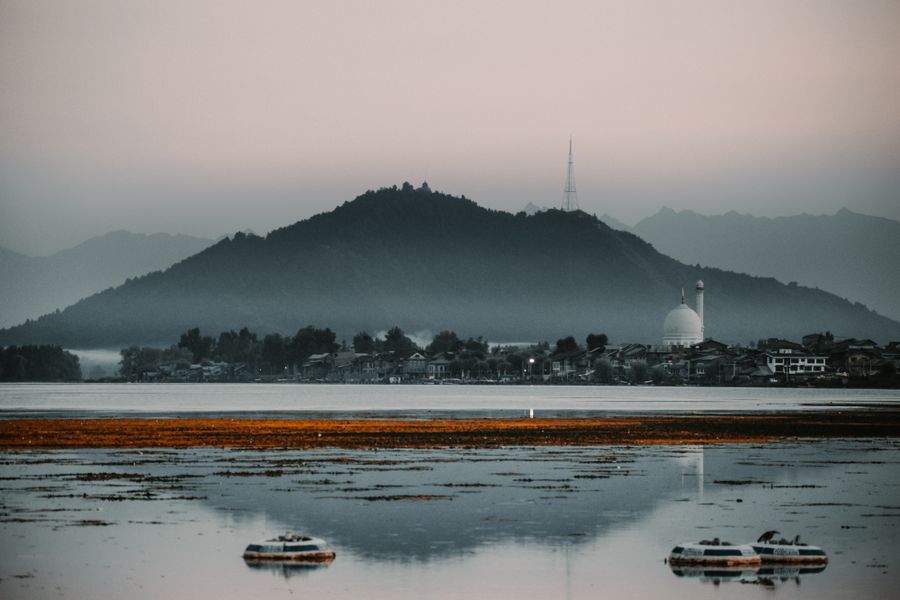
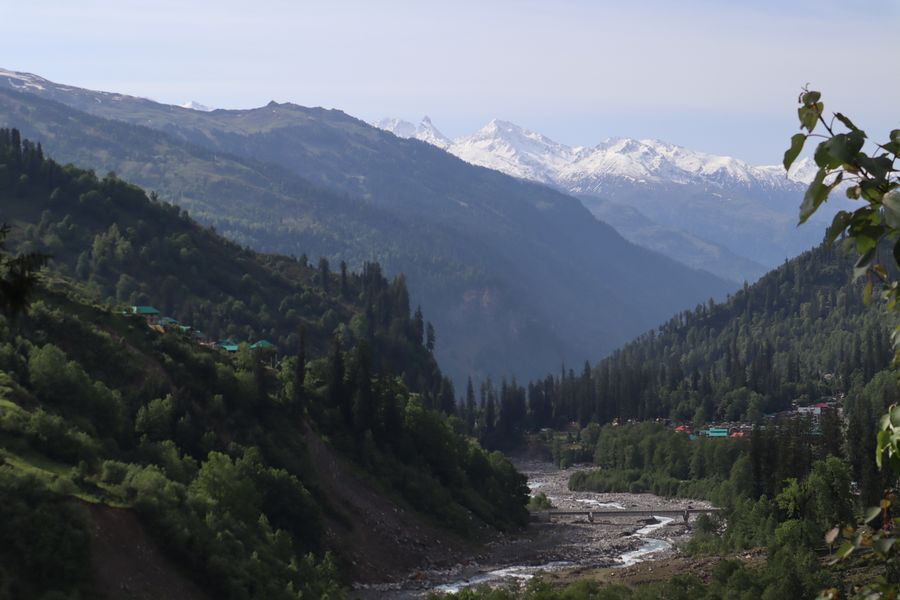
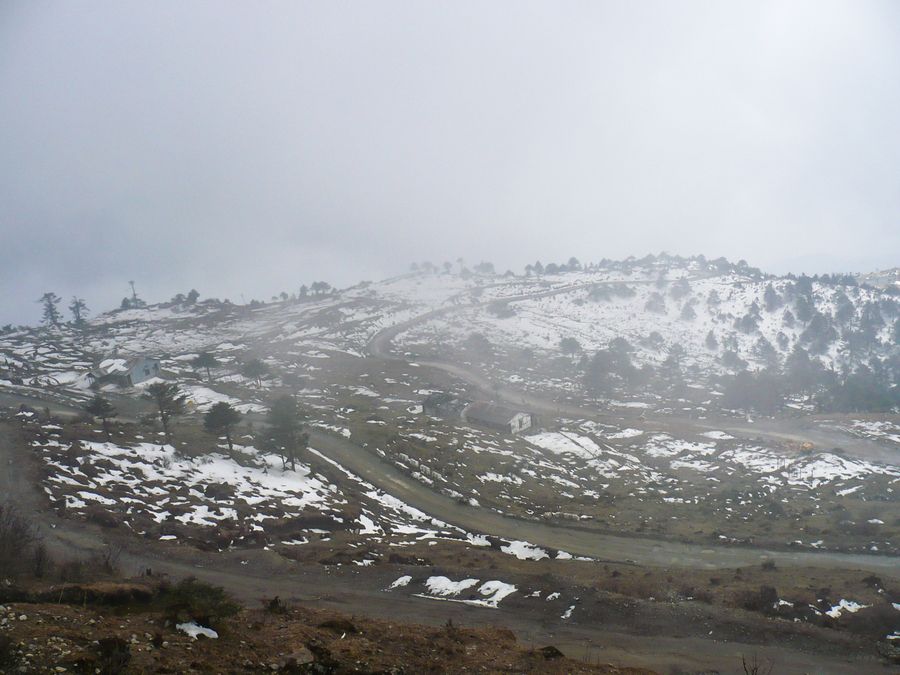
Five Himalayan states end to end: Srinagar in Kashmir, Manali in Himachal, Rishikesh in Uttarakhand, Gangtok in Sikkim, and Tawang in Arunachal Pradesh — the length of the Indian Himalaya from west to east.
Best season
March-June and September-November; each stop's pass roads close individually in winter, check locally before travelling
Duration
18-25 days for the full route, or pick any two adjoining stops for a shorter trip
Budget (approx)
₹70,000-1,60,000 per person for the full route — permits, altitude and distance all add cost
Along the way
Every stop, as it actually looks.


The route
5 stops, in order.
- 1
- 2
- 3
Uttarakhand
RishikeshWhere the Ganga leaves the mountains — pilgrimage town and river-rafting capital at once.
- 4
- 5
Why these stops belong together
The other five trails move between sites in a shared theme; this one moves between states, because the Himalayan belt does not repeat itself the way a temple style or a fort does; each stretch has its own language, cuisine and relationship to the mountains. Srinagar and Dal Lake carry Kashmir's Mughal-garden and houseboat tradition. Manali is Himachal's adventure-tourism base for the Kullu valley and the passes north of it. Rishikesh, where the Ganga leaves the mountains for the plains, is where Beatles-era yoga tourism met an older pilgrimage town, and is now India's river-rafting capital as much as a spiritual one. Gangtok is the gateway to Sikkim's Buddhist monasteries and the high passes toward Tibet. Tawang, reached over Sela Pass at over 13,000 feet, holds India's largest monastery and sits closer to Lhasa than to Delhi in almost every sense but the political one. West to east, the route is less a single trail than five different Himalayas that happen to be in the same country.