

India's Temple Trail
India Trails
Five temples that trace thirteen centuries of Indian temple-building in one route: Varanasi's riverside ghats, the sculpted spires of Khajuraho, the sun chariot at Konark, the towering gopurams of Madurai, and the ruined temple city of Hampi.
Best season
October to March across all five stops
Duration
10-14 days for the full route
Budget (approx)
₹40,000-90,000 per person, mid-range
Along the way
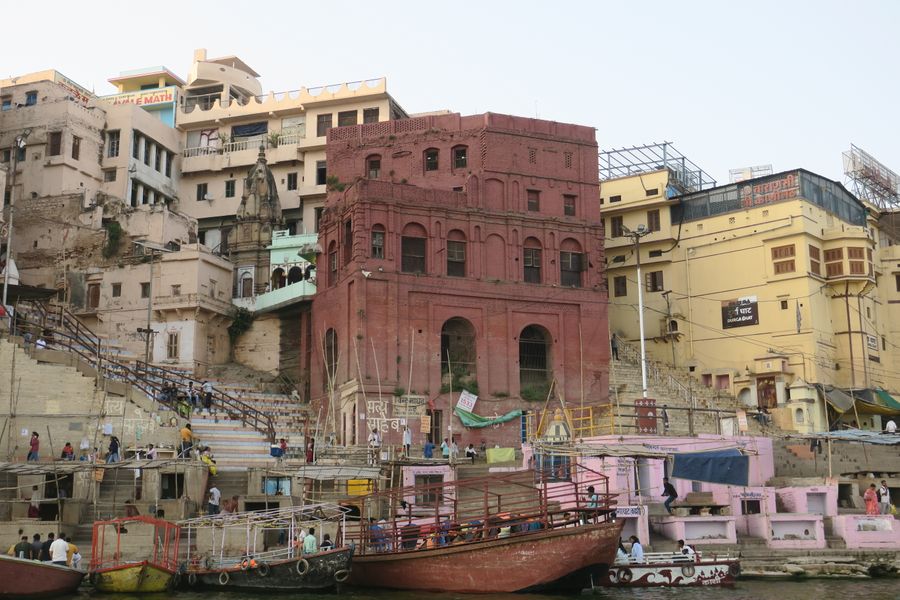
Every stop, as it actually looks.


The route
5 stops, in order.
- 1
Uttar Pradesh
VaranasiStart on the ghats — the oldest link in the route and the one every later temple style still answers to.
- 2
- 3
- 4
- 5
Why these stops belong together
No single temple explains Indian temple architecture; the range does. Varanasi shows the ghat-temple relationship that predates any single dynasty. Khajuraho (Chandela, 10th-11th c.) shows the nagara style at its most sculpturally ambitious. Konark's Sun Temple (Eastern Ganga, 13th c.) is nagara pushed into a single architectural idea, a temple built as a chariot. Madurai's Meenakshi Amman Temple shows the Dravidian style's opposite instinct: not restrained sculpture but a walled temple city of gopurams, tanks and a thousand-pillared hall, largely Nayak-era (16th-17th c.). Hampi closes the loop, a Vijayanagara capital where temple, market and fortification were built as one settlement. Together they run from riverside worship through the two great regional idioms to a temple that was also a city.