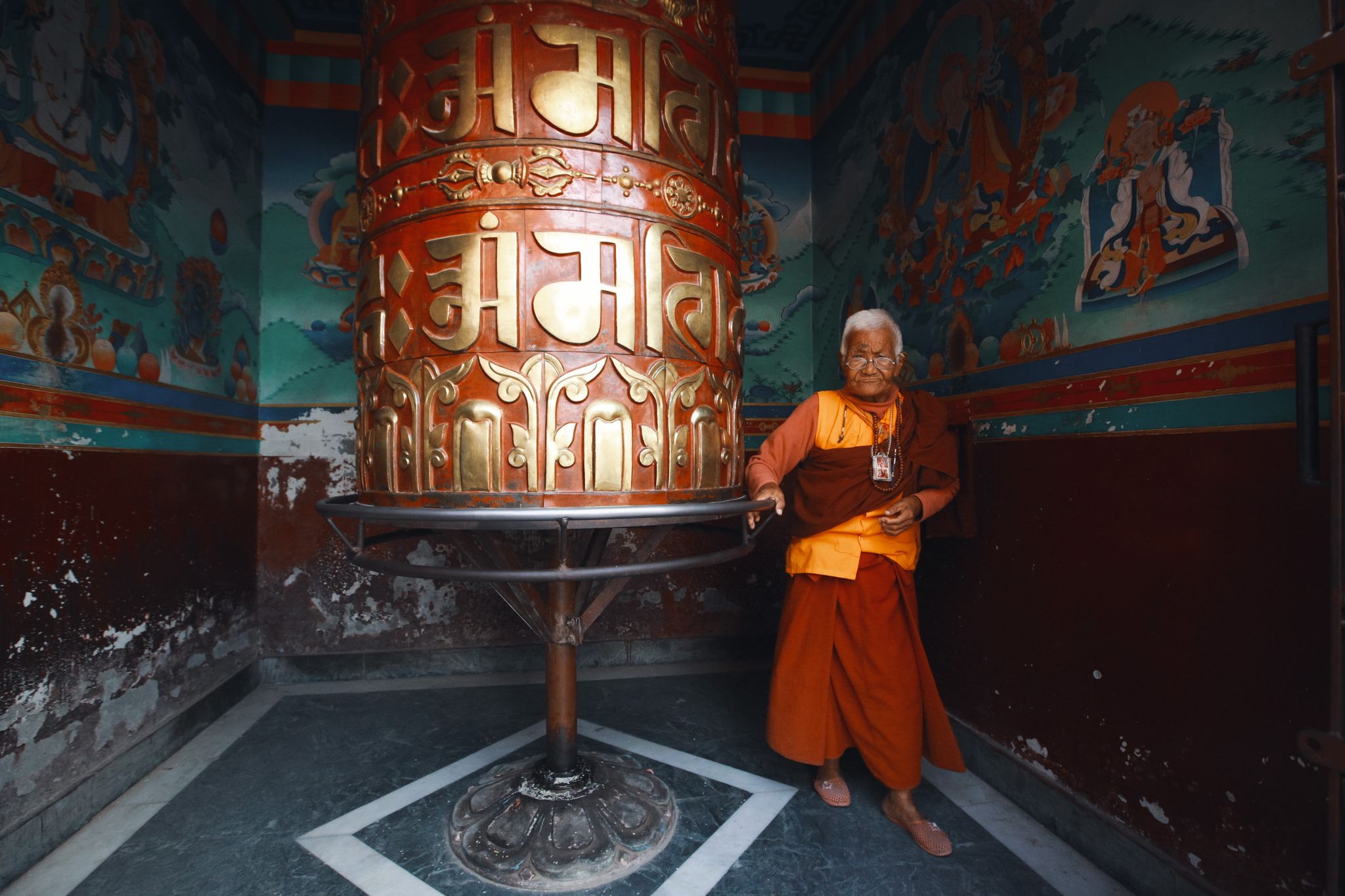
Leh Main Bazaar — A gentle first-evening stroll through Leh's old bazaar below the Palace — prayer-flag stalls, apricot sellers and Ladakhi cafés.
Day 2 — Leh town — Palace, Stupa, sunset
Morning
Leh Palace — A nine-storey former royal palace built in the 17th century by King Sengge Namgyal, echoing the Potala in Lhasa.
Evening
Shanti Stupa — A white Buddhist stupa built by Japanese Buddhists and inaugurated in 1991 — one of Leh's best sunset viewpoints.
Day 3 — Day trip to Hemis Monastery
Morning
Hemis Monastery — The largest and wealthiest gompa in Ladakh, of the Drukpa lineage, set in a side valley south of Leh.
Afternoon
Hemis Heritage Museum — The monastery museum holds centuries-old thangkas, statues and relics; the Hemis festival's masked dances are held here in early summer.
Day 4 — Over Khardung La to Nubra
Morning
Khardung La Pass — One of the world's highest motorable passes and the gateway from Leh to Nubra. The signboard proclaims 18,380 ft, though modern GPS surveys put it nearer 5,359 m (17,582 ft). Stop only briefly — the thin air is no place to linger.
Afternoon
Diskit Monastery — Nubra's oldest and largest monastery (14th century), watched over by a 32-metre statue of the Maitreya, the future Buddha.
Day 5 — Dunes, camels and Turtuk
Morning
Hunder Sand Dunes — Cold-desert sand dunes between Diskit and Hunder, home to the double-humped Bactrian camel — a living relic of the old Silk Road caravans.
Afternoon
Turtuk Village — One of India's northernmost villages, near the Line of Control and opened to visitors only in 2010 — a Balti settlement of apricot orchards and stone lanes.
Day 6 — The long road to Pangong Tso
Afternoon
3 Idiots Point — The lakeshore spot made famous by the finale of the film 3 Idiots.
Evening
Spangmik Village — The main hamlet on Pangong's Indian shore, where most lakeside stays and campsites sit.
Anytime
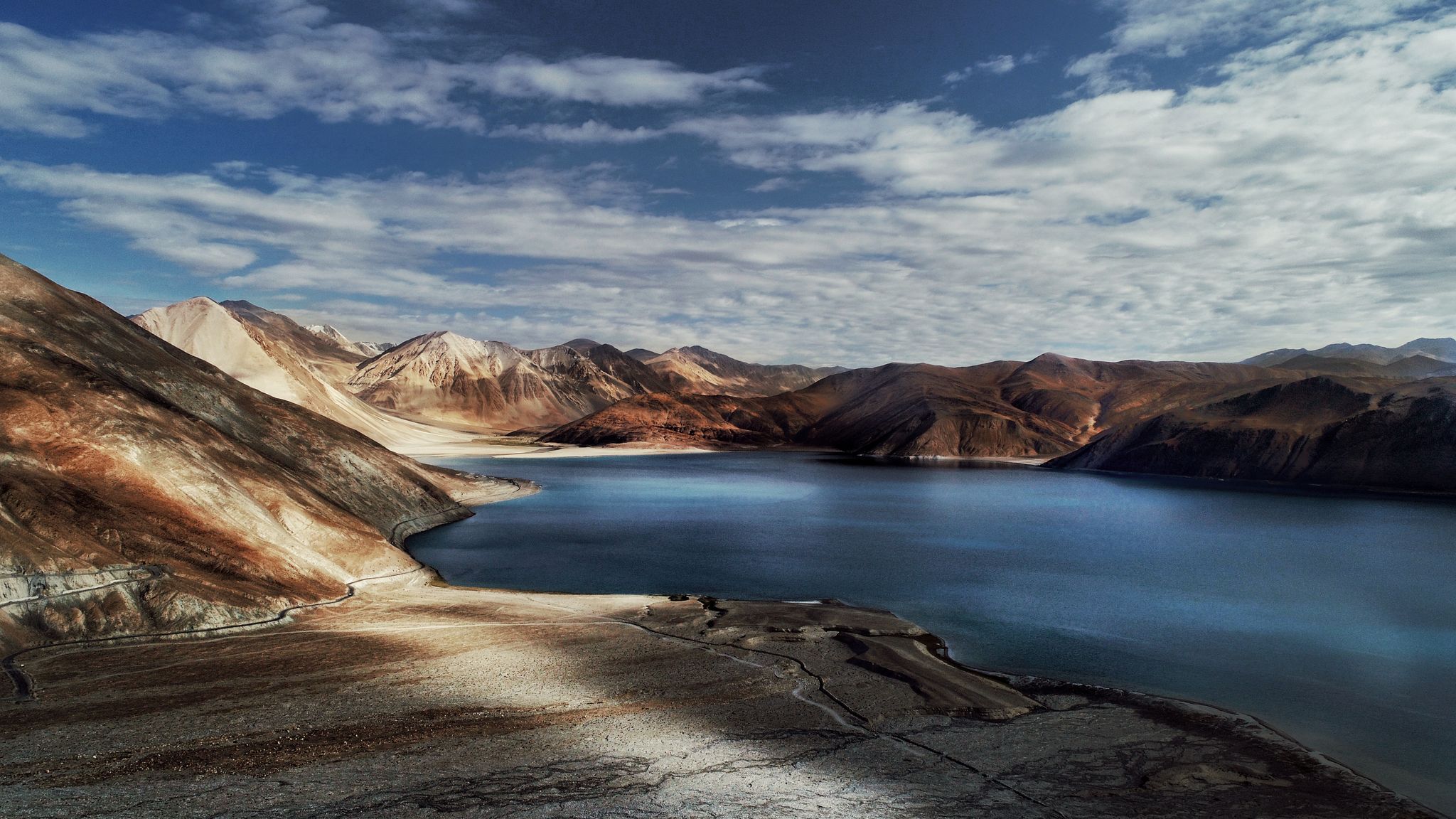
Pangong Tso — A 134 km brackish lake at about 4,225 m straddling the India–China Line of Actual Control; it shifts from turquoise to deep blue through the day and freezes solid in winter despite being saline.