

Tiger Reserves
Wildlife & Safari
Project Tiger reserves, with the zones that actually get sightings.
19 places

Tamil Nadu
Anamalai Tiger Reserve
The Anamalai Tiger Reserve, also known as the Indira Gandhi Wildlife Sanctuary, lies in the Anaimalai Hills of the Western Ghats in Tamil Nadu near Pollachi and Valparai. Part of a UNESCO-listed Western Ghats landscape, its shola forests and grasslands shelter tigers, elephants, gaur, the endangered lion-tailed macaque and the Nilgiri tahr.
Madhya Pradesh
Bandhavgarh National Park
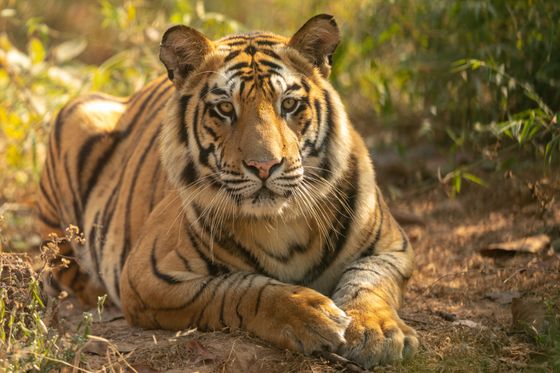
Bandhavgarh has one of the highest densities of Bengal tigers in India, set around an ancient hilltop fort in the Vindhya hills of Madhya Pradesh. Its mix of sal forest, grassland meadows and dramatic cliffs gives Bandhavgarh some of the highest tiger density in India.

Karnataka
Bandipur National Park
Bandipur National Park, in the Chamarajanagar district of Karnataka, is one of India's tiger reserves and part of the Nilgiri Biosphere Reserve. Once a hunting ground of the Mysore maharajas, its teak and rosewood forests shelter tigers, leopards, elephants, gaur and dholes, and it forms a continuous wildlife corridor with Nagarhole, Mudumalai and Wayanad.

Karnataka
Dandeli (Kali Tiger Reserve)
Dandeli, part of the Kali Tiger Reserve on the Kali river in Karnataka's Western Ghats, is one of South India's top wildlife-and-adventure destinations. Its deciduous forests hold tigers, elephants, black panthers and one of India's richest hornbill populations, and the river has white-water rafting and kayaking.
Uttarakhand
Jim Corbett National Park
Jim Corbett is India's oldest national park and the birthplace of Project Tiger, set in the Himalayan foothills along the Ramganga River. Famed for its tigers, elephants and rich birdlife across the Dhikala, Bijrani and Jhirna zones, it is one of the country's safari destinations.
Madhya Pradesh
Kanha National Park
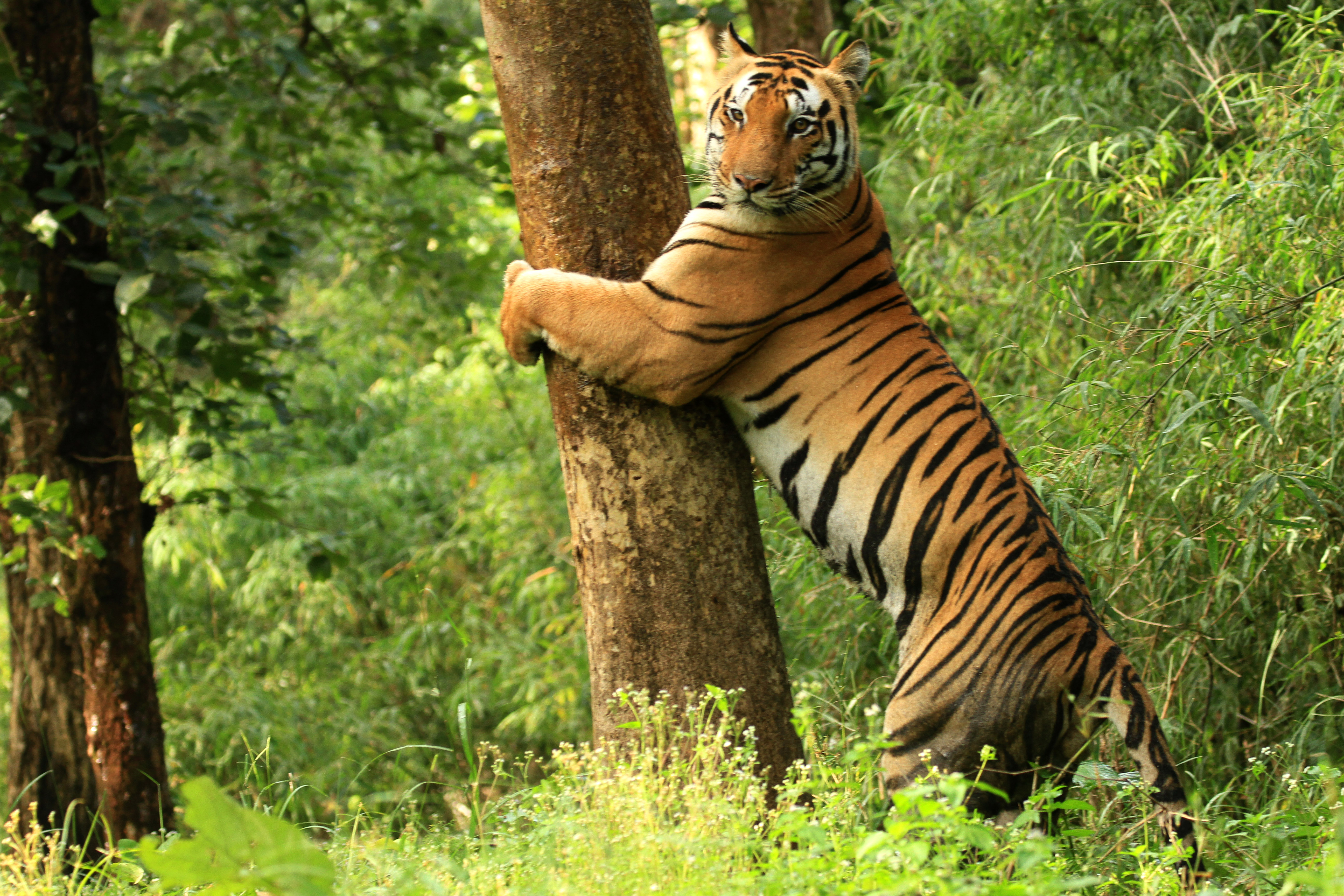
Kanha is one of India's largest and most beautiful tiger reserves, a landscape of sal forests and open meadows said to have inspired Kipling's 'The Jungle Book'. It is also the last home of the rare barasingha (swamp deer).

Karnataka
Nagarhole National Park
Nagarhole National Park (Rajiv Gandhi National Park), in Karnataka's Kodagu and Mysuru districts, is a lush tiger reserve within the Nilgiri Biosphere. Its rivers, teak forests and the Kabini backwaters support tigers, leopards, elephants and dholes, and the Kabini zone is famous among wildlife photographers for rare sightings of the black panther.

Madhya Pradesh
Panna Tiger Reserve
Panna Tiger Reserve, on the banks of the Ken river in Madhya Pradesh, is a celebrated conservation success story, having rebuilt its tiger population after the cats were lost from the park. Its plateaus, gorges and forests shelter tigers, leopards, gharials and abundant birdlife, and its location near Khajuraho makes it an easy add-on to a heritage trip.

Madhya Pradesh
Pench Tiger Reserve
Pench Tiger Reserve, straddling Madhya Pradesh and Maharashtra along the Pench river, is the landscape that inspired Rudyard Kipling's The Jungle Book. Its teak and sal forests are rich in tigers, leopards, wild dogs, gaur and abundant deer, and it was home to the celebrated Collarwali tigress, one of India's most prolific.
Rajasthan
Ranthambore National Park
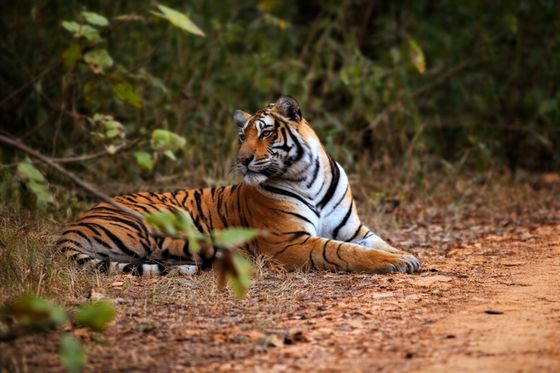
Ranthambore National Park is one of the preeminent and largest wildlife conservation sanctuaries in Northern India, known for its thriving population of the endangered Royal Bengal Tiger. It lies in the Sawai Madhopur district, where the ancient Vindhya and Aravalli mountain ranges converge, the landscape comprises rugged rocky cliffs, dry deciduous forests, and interconnected lakes. The park's unique visual identity is defined by the massive 10th-century Ranthambore Fort, which sits inside the forest lines. Tigers are frequently observed hunting in broad daylight across the historic stone ruins, palace pavilions, and lake fronts, creating an unmatched wild landscape profile. The national park operates under strict environmental regulations, split systematically into ten specific safari zones to manage safari vehicles and preserve the sensitive ecological core slots.
Rajasthan
Sariska Tiger Reserve
Sariska, set in the Aravalli hills near Alwar, is a tiger reserve known for its dry forests, ancient temples and the dramatic Kankwari Fort. It made conservation history as the first reserve to successfully relocate tigers after local extinction.

Madhya Pradesh
Satpura Tiger Reserve
Satpura Tiger Reserve, set in the rugged Satpura hills of Madhya Pradesh along the Denwa river, is one of central India's most distinctive parks. Less crowded than its neighbours, it is known for walking safaris, canoe safaris and boat rides, with sightings of leopards, sloth bears, tigers, gaur and the Indian giant squirrel amid dramatic gorges and forests.
West Bengal
Sundarbans National Park
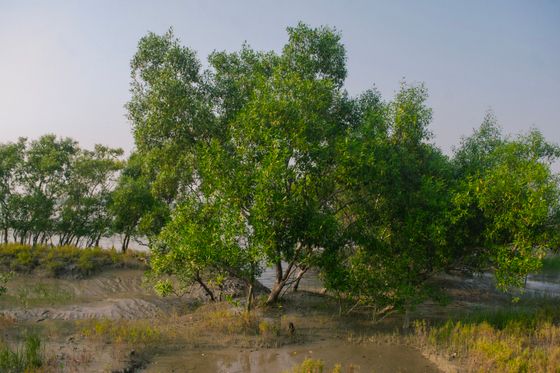
The Sundarbans National Park is a monumental, unique wildlife conservation wilderness spanning a massive estuarine mangrove delta formed by the confluence of the Ganges and Brahmaputra rivers in West Bengal. Characterized as the largest continuous mangrove forest on earth, the protected ecosystem is cut into a complex maze of tidal mudflats, narrow river channels, and dense island swamps. It is known for hosting the world's only population of tigers adapted to living inside a mangrove habitat. The entire safari experience operates exclusively on water, where visitors board certified multi-deck passenger boats to track wildlife along the thick roots of the Sundari trees. The core reserve holds saltwater crocodiles, water monitors and river dolphins.
Maharashtra
Tadoba Andhari Tiger Reserve
Tadoba is Maharashtra's oldest and largest national park, increasingly famous for frequent daytime tiger sightings. Its teak and bamboo forests around Tadoba Lake support tigers, leopards, sloth bears and wild dogs.

Ranthambore National Park
Ranthambore Fort
A tenth-century Chauhan fort standing inside the tiger reserve, founded under Sapaldaksha and added to by the kings who followed him, UNESCO-listed since 2013 with the other hill forts of Rajasthan. It sits high enough to give the clearest view there is over the park below. Entry is free and separate from the safari, because the Ganesh temple inside is a working shrine receiving pilgrims — which makes this the one part of Ranthambore you can walk into without a permit or a jeep booking. It is a real climb, with langurs along the path who are entirely used to people carrying food.
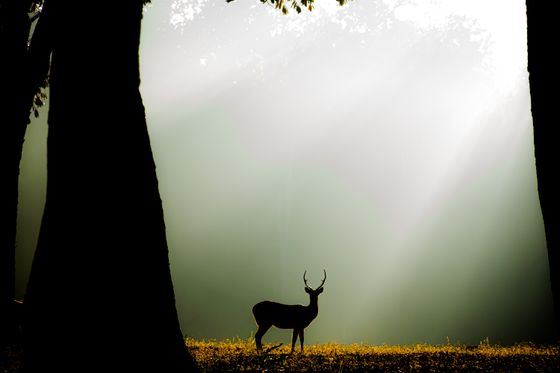
Kanha National Park
Kanha Meadow Vista
The expansive open grassland area inside the core zone, famous for spotting massive herds of the rare hard-ground Barasingha deer.

Kanha National Park
Kanha & Kisli Zones
Prime safari zones for tigers and barasingha across sal forest and meadows.
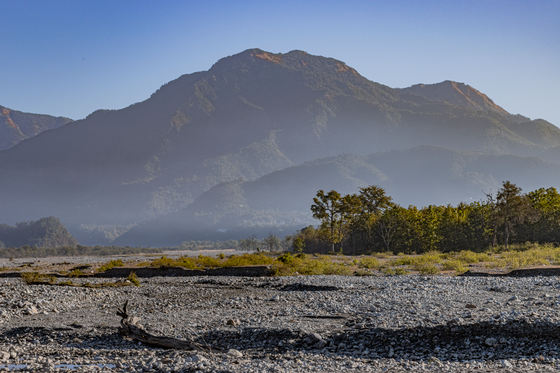
Jim Corbett National Park
Corbett Museum
The naturalist's former home, now a museum on his life and work.
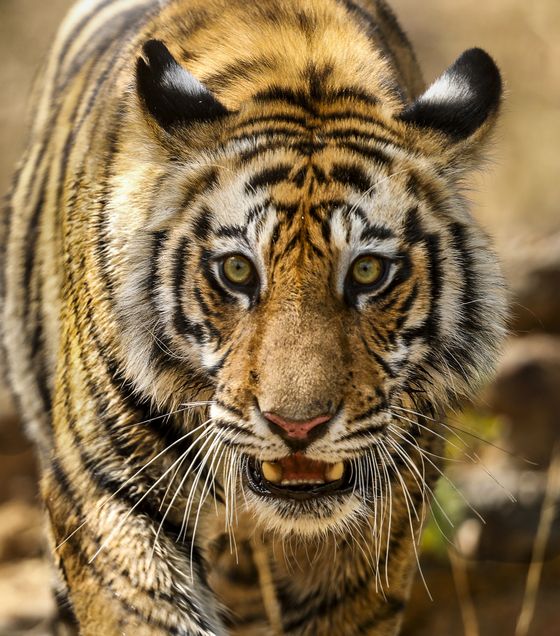
Bandhavgarh National Park
Bandhavgarh Fort
An ancient hilltop fort within the reserve, with rock-cut shrines.


