Browse by place
Browse by theme
Popular themes
Collection
Lush, misty & dramatic in the rains
13 places
Meghalaya
Umiam Lake, popularly known as Barapani, is a large, sparkling reservoir set among pine-clad hills just north of Shillong in Meghalaya. Created by a dam on the Umiam river, it is a favourite spot for water sports, boating and photography, and a classic stop on the drive from Guwahati to Shillong.
Karnataka
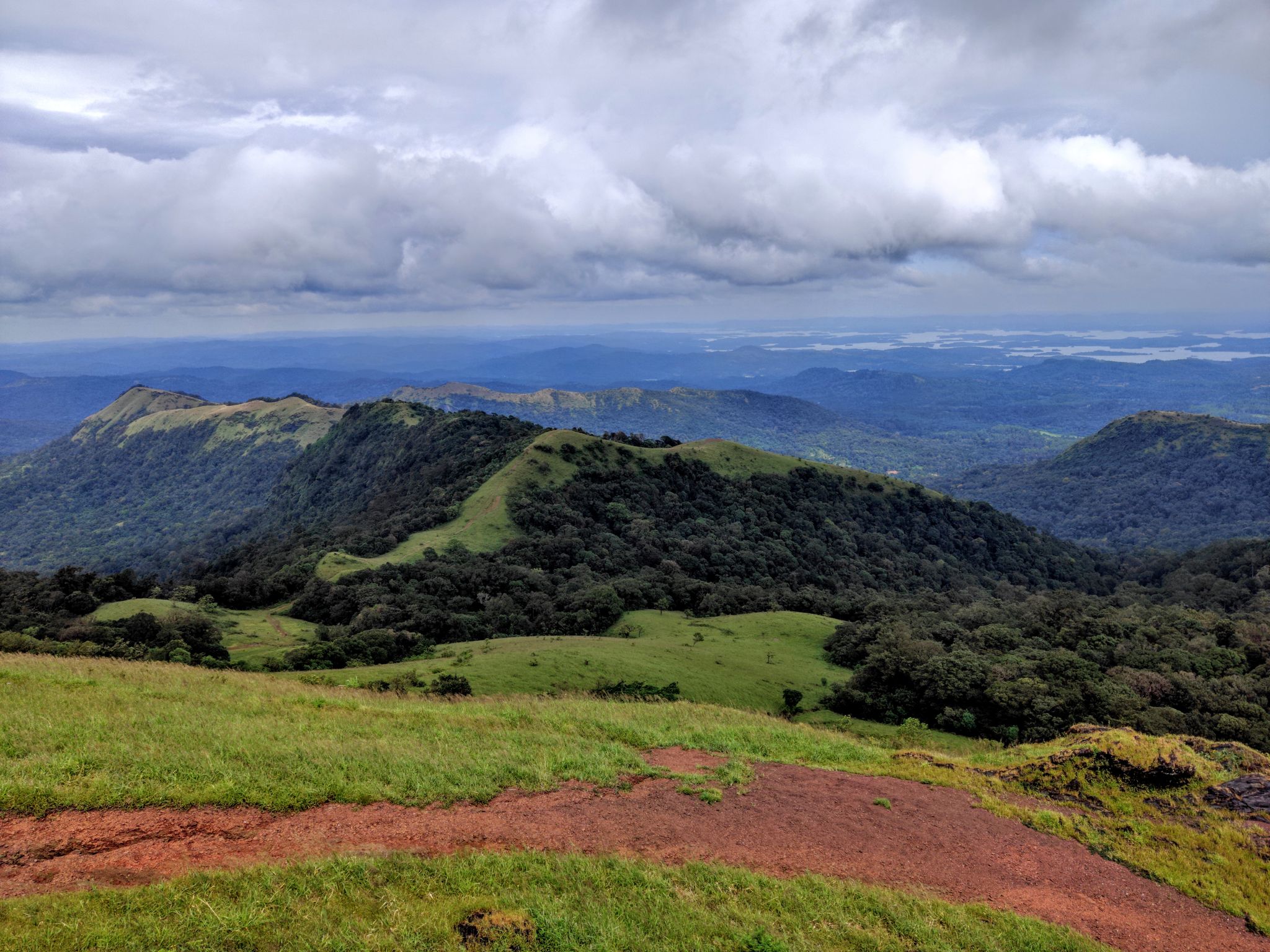
Chikmagalur is the coffee heartland of Karnataka, a lush hill district in the Western Ghats where rolling estates, misty peaks and waterfalls draw a steady stream of young travellers from Bengaluru and beyond. It is a top weekend and workation pick for those wanting estate-stays, treks and great coffee within easy reach of a big city. Home to Mullayanagiri (Karnataka's highest peak), Baba Budangiri and dense shola forests, Chikmagalur blends gentle adventure with slow plantation living. Coffee homestays, trekking trails and cafe culture make it a favourite for couples, friend groups and remote workers.
Kerala
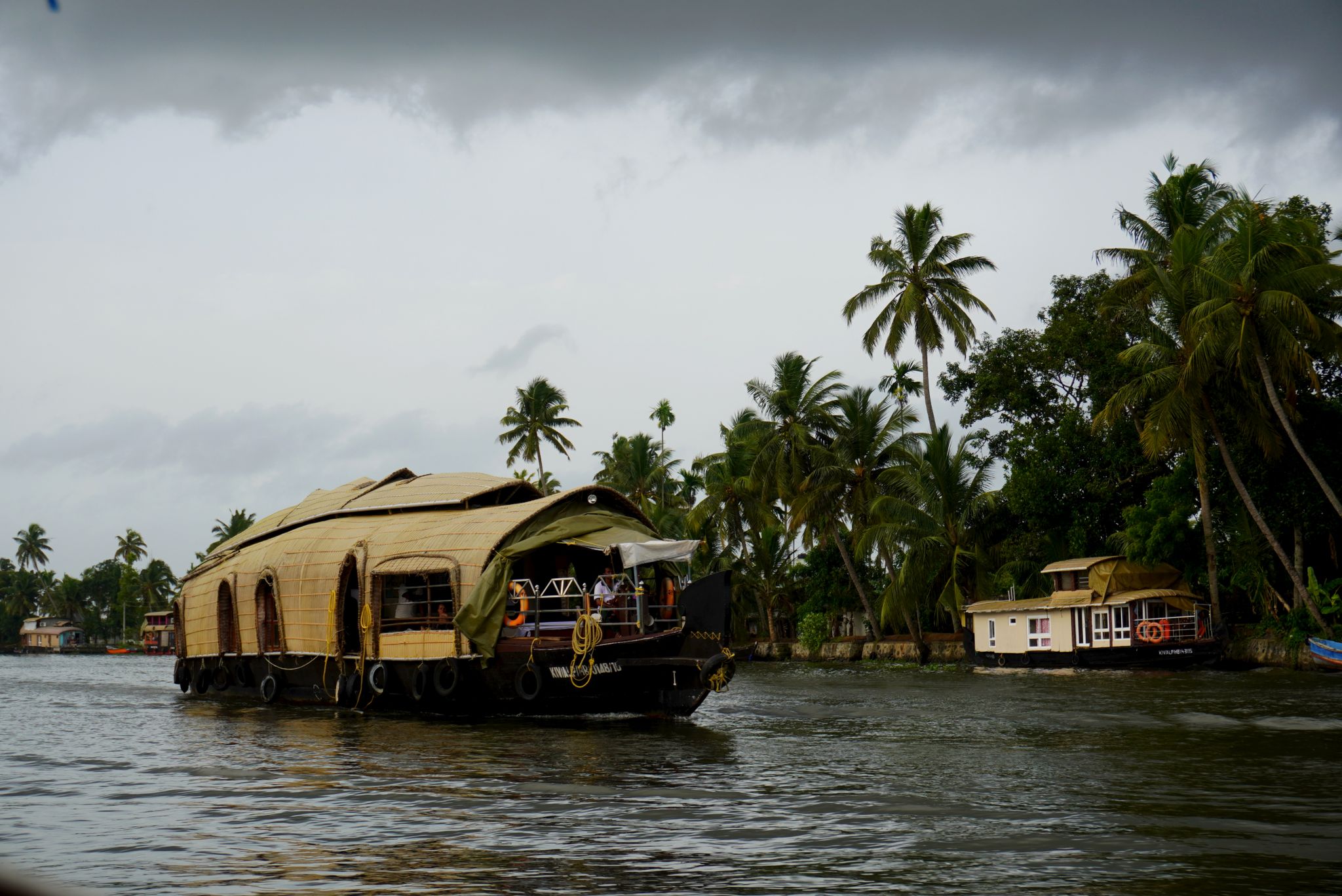
The mistake in Alleppey is the day boat. A houseboat only becomes worth it once the day-trippers have gone home and the water goes quiet. Book an overnight, and if you can, book a smaller boat that can leave the main channel. The big two-storey ones are restricted to the wide canals where they queue up alongside each other; the small ones get into the narrow waterways between the paddy fields, which is where the backwaters stop being a boat trip and start being a place where people live. Better still, spend a morning on a public ferry. The government service from Alleppey to Kottayam costs almost nothing, takes a couple of hours, stops at village jetties, and carries schoolchildren and shopping. You will see more of the actual backwaters from its deck than from most houseboats. The paddy fields here are farmed below sea level, kept dry by dykes and pumps — Kuttanad is one of the few places in the world where that is done. October to March. The monsoon has its own case, and the snake boat races in the wet season are worth planning around, but the water is high and the light is grey.
Maharashtra
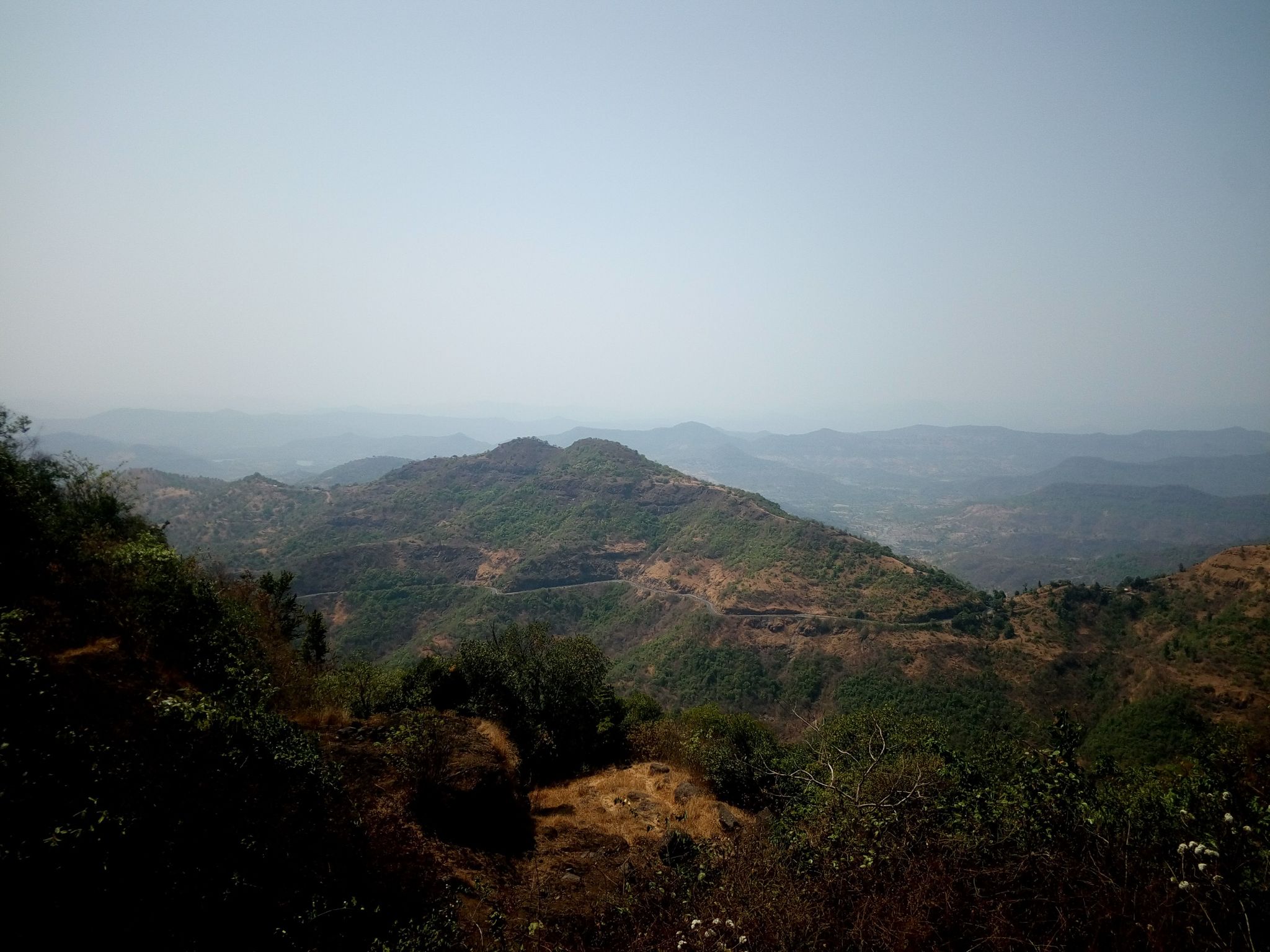
Mahabaleshwar is a high-altitude hill station at an elevation of 1,353 metres on an expansive plateau ridge of the Sahyadri mountain range in Satara district. Enveloped by dense evergreen forests, steep river canyons, and agricultural terraced fields, it stands as the highest and most expansive mountain resort in Maharashtra. The town features an old-world colonial character, distinct multi-tiered valley viewing points like Arthur's Seat, and the scenic artificial Venna Lake. The surrounding fertile soils are internationally famous for high-yield commercial fruit farming, producing nearly 85 percent of the country's strawberries.
Dawki and Mawlynnong sit in the southern hills of Meghalaya near the Bangladesh border, famous for the crystal-clear Umngot River and for Mawlynnong's title as 'Asia's cleanest village'. Together they form one of the Northeast's most photogenic and increasingly popular offbeat circuits. The Umngot River at Dawki is so transparent that boats appear to float on air, drawing travellers for boat rides and camping. Nearby Mawlynnong brings out a model of community cleanliness, living root bridges and a sky-walk viewpoint over the plains of Bangladesh — a uniquely sustainable destination.
Kodachadri is a misty Western Ghats peak in Karnataka, draped in shola forests and grasslands and crowned by the ancient Sarvajna Peetha linked to Adi Shankaracharya. A favourite among young trekkers and campers, it is one of the best peak walks in South India, and you can camp at the top for sunrise. Reached via forest trails or rugged jeep tracks from Kollur, the peak rewards trekkers with cloud-sea views, the Hidlumane Falls en route, and a remote, unspoiled wilderness feel. Its mix of adventure, spirituality and raw nature makes it a rising offbeat draw.
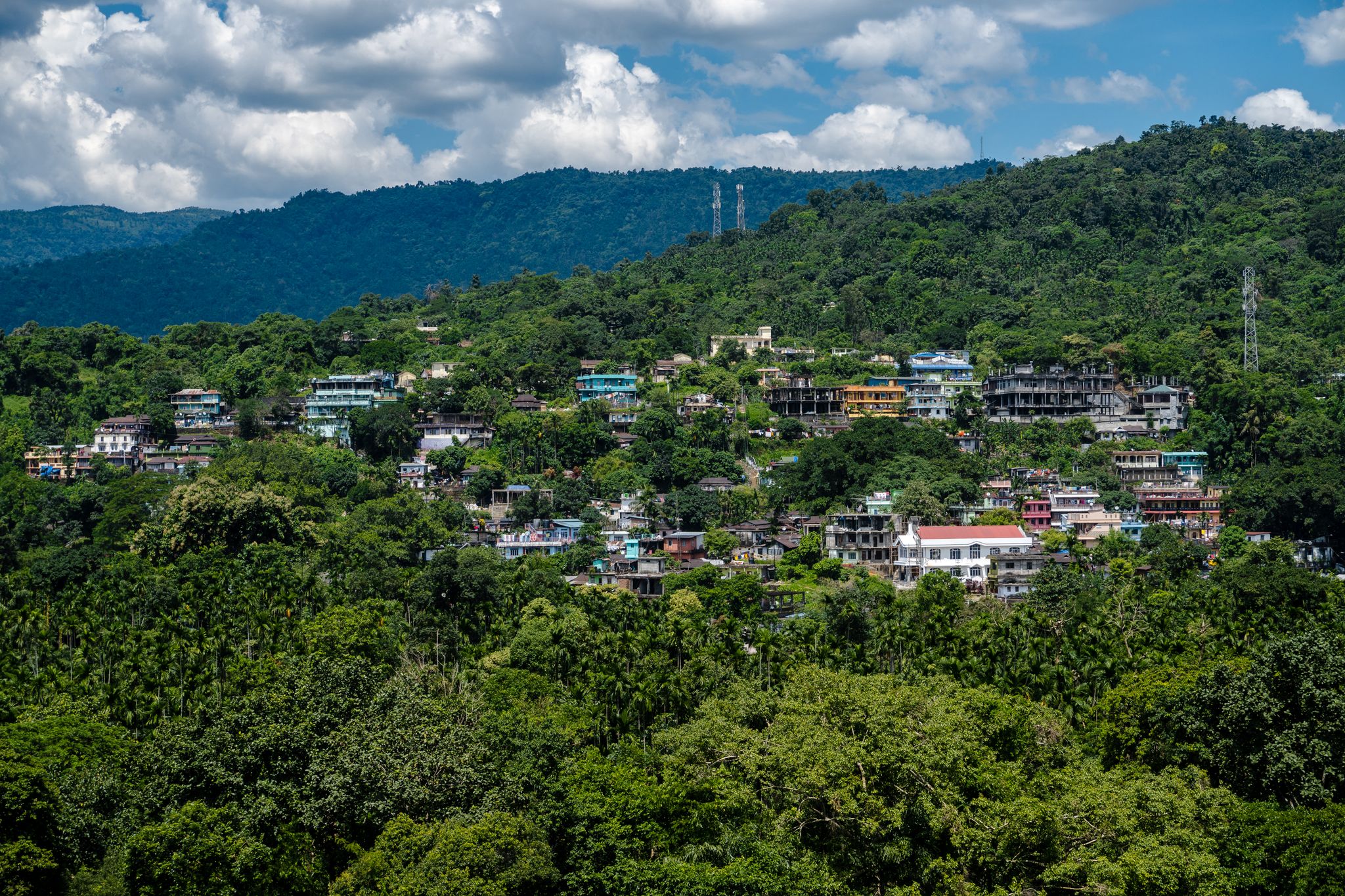
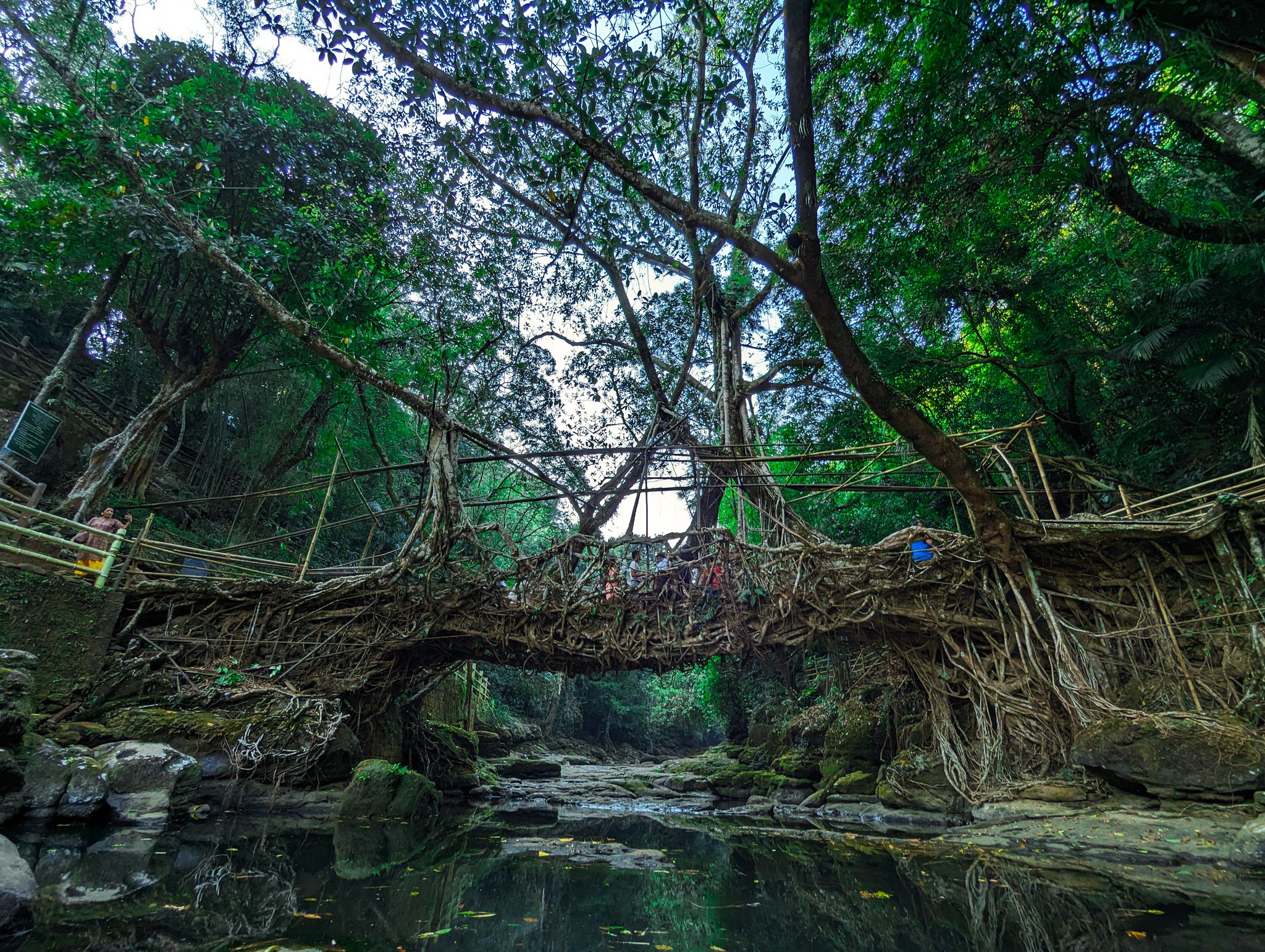
Cherrapunji, traditionally known by its indigenous name Sohra, is a high tableland at an elevation of 1,430 metres on the southern face of the East Khasi Hills in Meghalaya. Dropping sharply into the low-lying plains of Bangladesh down below, the region features a rugged mountain landscape cut meticulously by deep vertical canyons, colossal limestone cave networks, and some of the world's highest plunge water drops, including Nohkalikai, the tallest plunge fall in India. The unique bio-engineering highlights of the surrounding valleys are the world-famous Living Root Bridges, grown painstakingly over decades by the indigenous Khasi clans who guide the aerial roots of the Ficus elastica trees across thundering mountain rivers. The crowning achievement is the Double Decker Living Root Bridge hidden deep inside the river valley floor at Nongriat village.
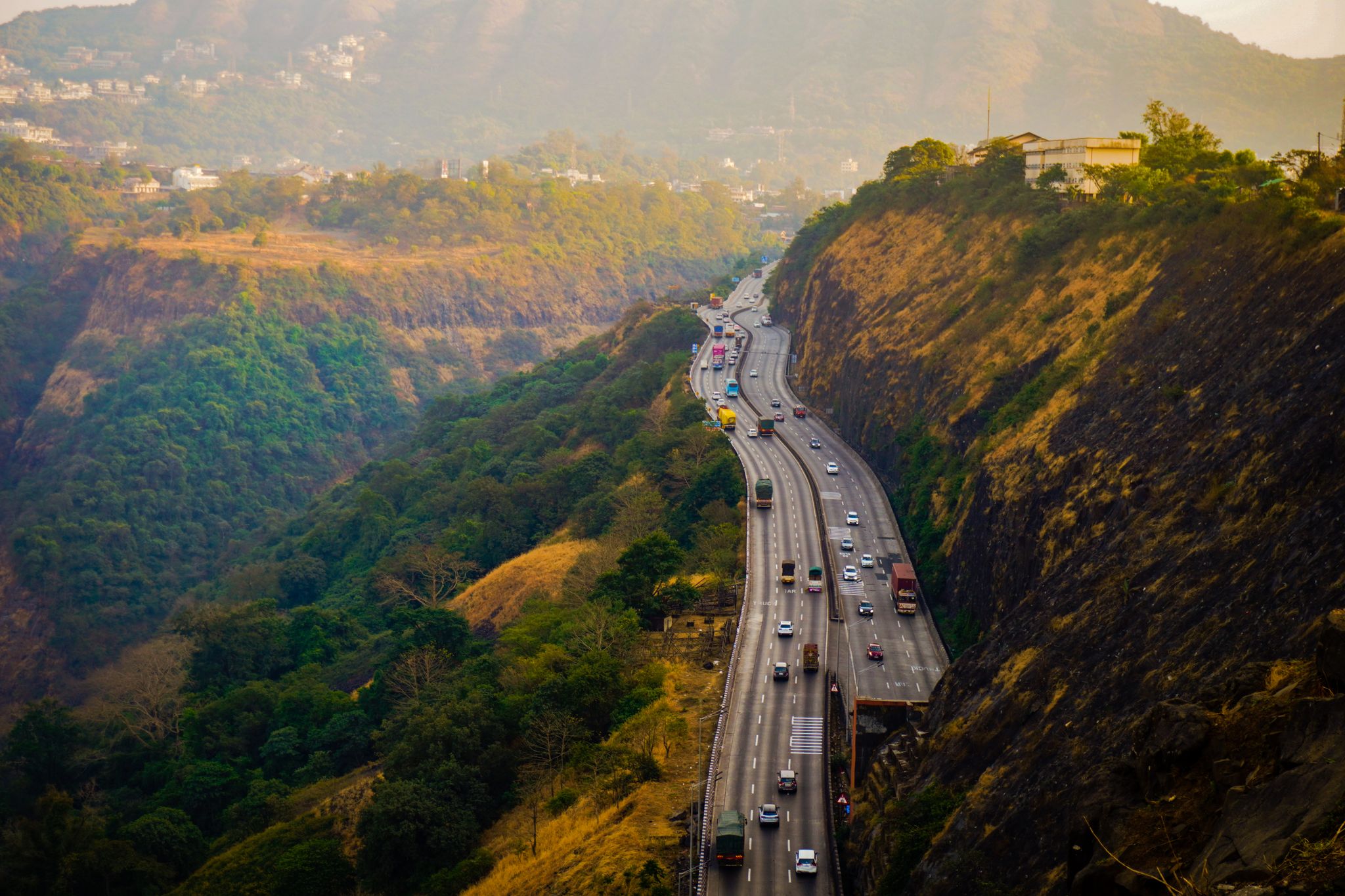
Lonavala and Khandala form a unified, highly popular twin-hill station resort enclave at an elevation of 622 metres on the sweeping Sahyadri ridges of the Western Ghats. Located along the high-traffic corridor linking Mumbai and Pune, the region is globally known for its dramatic mountain geography, comprising near-vertical cliff drops, deep green valleys, and seasonal waterfalls. During the monsoon season, the entire plateau transforms into a romantic landscape completely wrapped in thick, low-flying clouds and rolling mists. The towns act as a primary leisure playground for urban vacationers, with a distinct mixture of historic British sanatorium layouts, modern luxury villa developments, complex ancient Buddhist rock-cut caves like Karla and Bhaja, and local traditional confectionery markets.
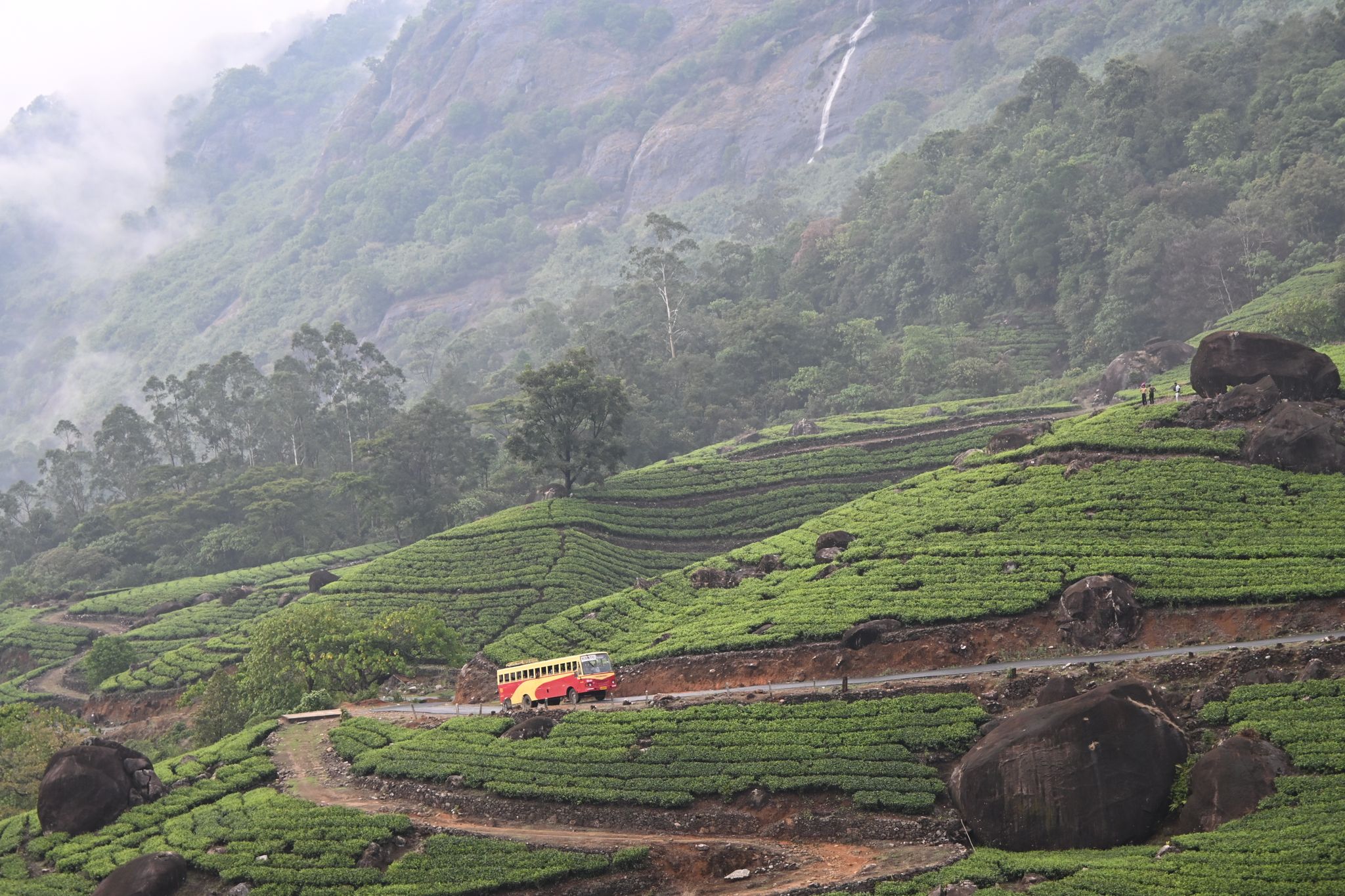
Munnar is a high-altitude hill station at about 1,600 metres in the Western Ghats of Idukki district. Positioned at the scenic confluence of three mountain streams (Mudrapuzha, Nallathanni, and Kundala), the region is visually dominated by an uninterrupted, rolling green carpet of commercial organic tea plantations. The town and its surrounding valleys feature landscape contours lined with dense shola forests, aromatic spice farms, and high-altitude mist-covered grass hills. The commercial core functions as a gateway base for exploring deep wildlife corridors, including the protected cliffs of Eravikulam National Park and the towering peak of Anamudi, the highest summit in South India.
Mawsynram, the wettest place on earth, and the nearby village of Nongriat anchor southern Meghalaya's wonder-region of living root bridges, deep gorges and waterfalls. The trek to the famous Double Decker Living Root Bridge is a bucket-list Northeast experience.
Wayanad is a plateau district between 700 and 2,100 metres, and the drive up from Kozhikode climbs nine hairpin bends at Thamarassery that back up badly at weekends. The one thing here you will not find elsewhere in Kerala is Edakkal: Neolithic carvings on a cliff face, reached by a steep climb and a metal stair. Chembra has the heart-shaped tarn and a permit system. Banasura Sagar is the largest earth dam in India, with drowned hilltops standing in it as islands. This is elephant country in the working sense — the corridors here run through to Bandipur and Mudumalai, and crop raiding is a live conflict. Do not walk plantation edges after dark. Kalpetta, Sultan Bathery and Mananthavady are the three bases. Stay on an estate. October to May. The monsoon is heavy here and this district has had serious landslides.
Coorg is coffee country, and the point of coming is to stay on an estate rather than in Madikeri, which is a hill town with traffic. Both arabica and robusta grow here under shade, with pepper vines climbing the same trees. Arrive around March and the coffee is in flower and the whole district smells of it for about a week — the best time to be here, and almost nobody plans for it. Abbey Falls runs through a private estate and is full only in the monsoon. Namdroling at Bylakuppe is the largest Nyingma monastery outside Tibet, and foreign nationals need a permit for it. Talakaveri, where the Kaveri rises, is a drive up and often inside cloud. Kodava food is worth hunting down and is on few menus — pandi curry and kadambuttu, usually only at homestays, and usually only if you ask the night before. October to March is dry. June to September is heavy rain, and the leeches come out on the walks.
Matheran bans motor vehicles inside the town, which makes it the quietest place within two hours of Mumbai and the only hill station in Asia to enforce that. Cars stop at Dasturi Naka and you walk the last stretch in, or take a hand-pulled rickshaw or a horse. The other way up is the narrow-gauge train from Neral, which takes a couple of hours to cover about twenty kilometres and is worth doing once, when it is running. Everything here is a walk on red laterite paths through forest to a numbered viewpoint — Louisa for Prabal fort, Panorama for the sunrise, Echo for the obvious. Wear shoes you do not mind ruining: the dust is iron-red and gets into everything. Come on a weekday. At weekends the horse traffic on the paths is heavier than the foot traffic. October to May. The monsoon closes the train and turns the paths to slurry.