

4 places to see, with what each one is and how long it takes.
Attraction
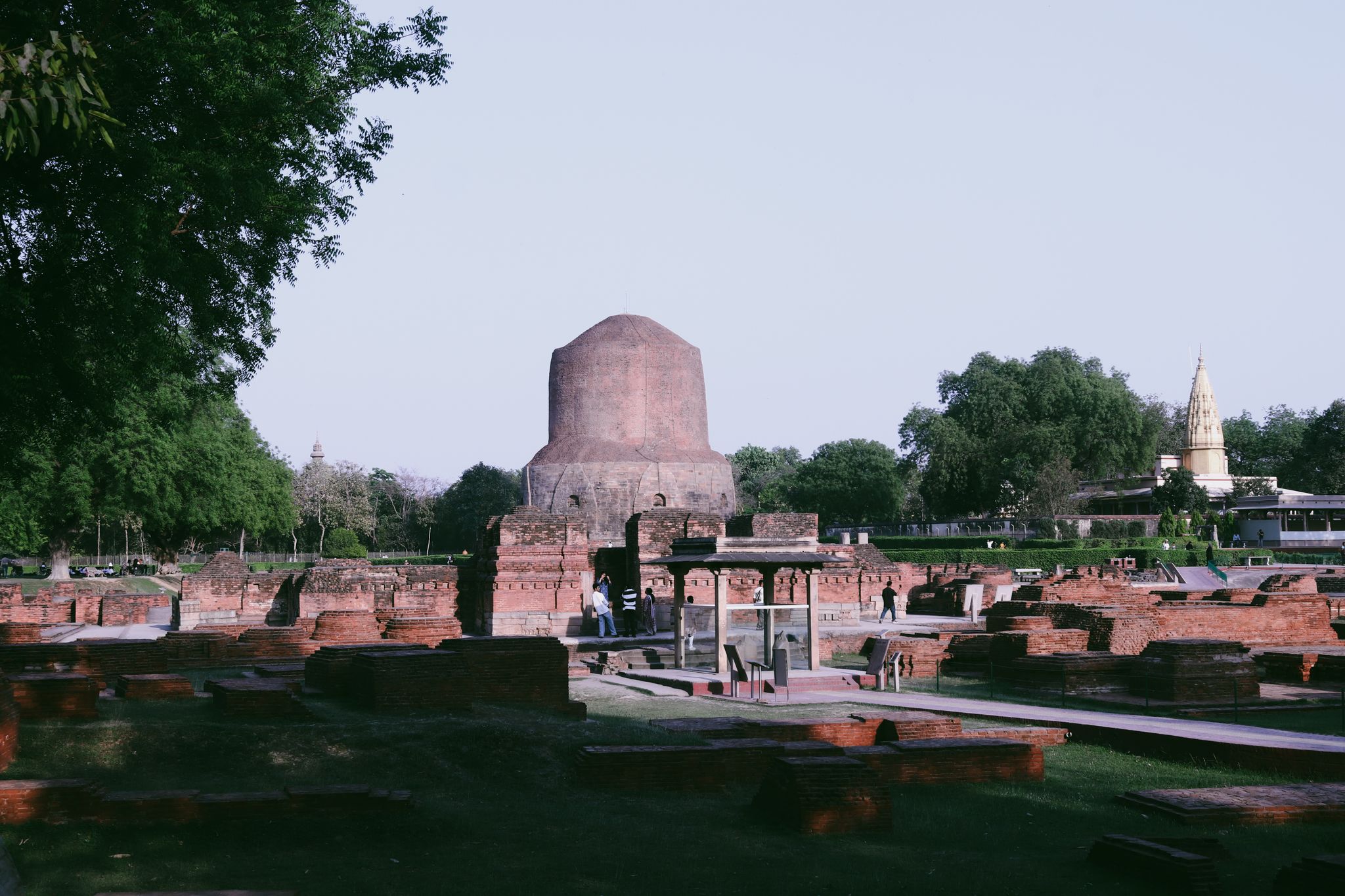
India's oldest site museum gallery housing the original 3rd-century BCE Ashokan Lion Capital and masterfully carved sandstone Buddha statues.

Experience
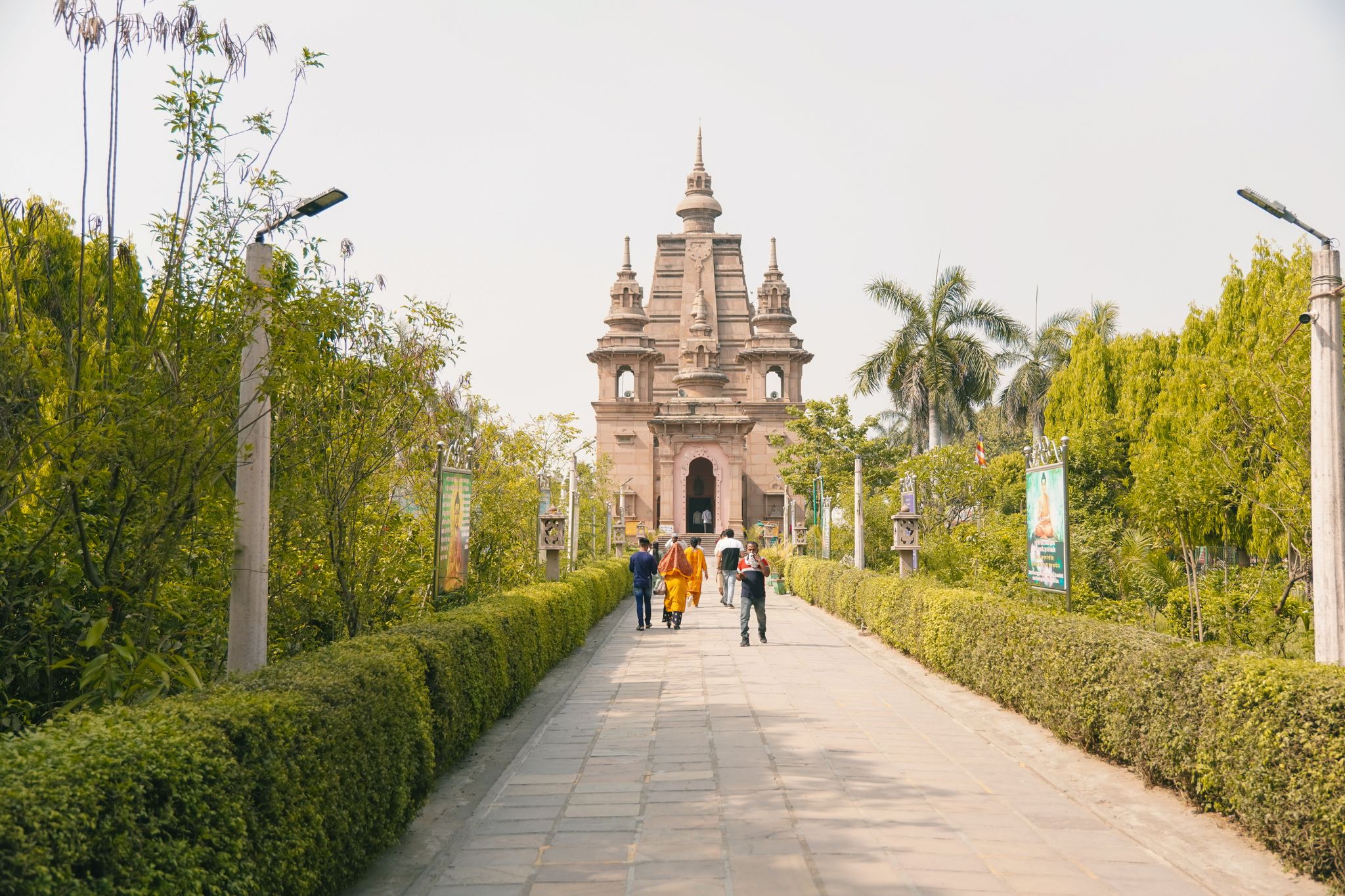
Built in 1931, with wall paintings by the Japanese artist Kosetsu Nosu that took him years to finish. The Bodhi tree outside was grown from a cutting of the one at Anuradhapura, which came from Bodh Gaya. The relics are shown once a year.
Not in Sarnath — these are in other towns across the state.

Attraction
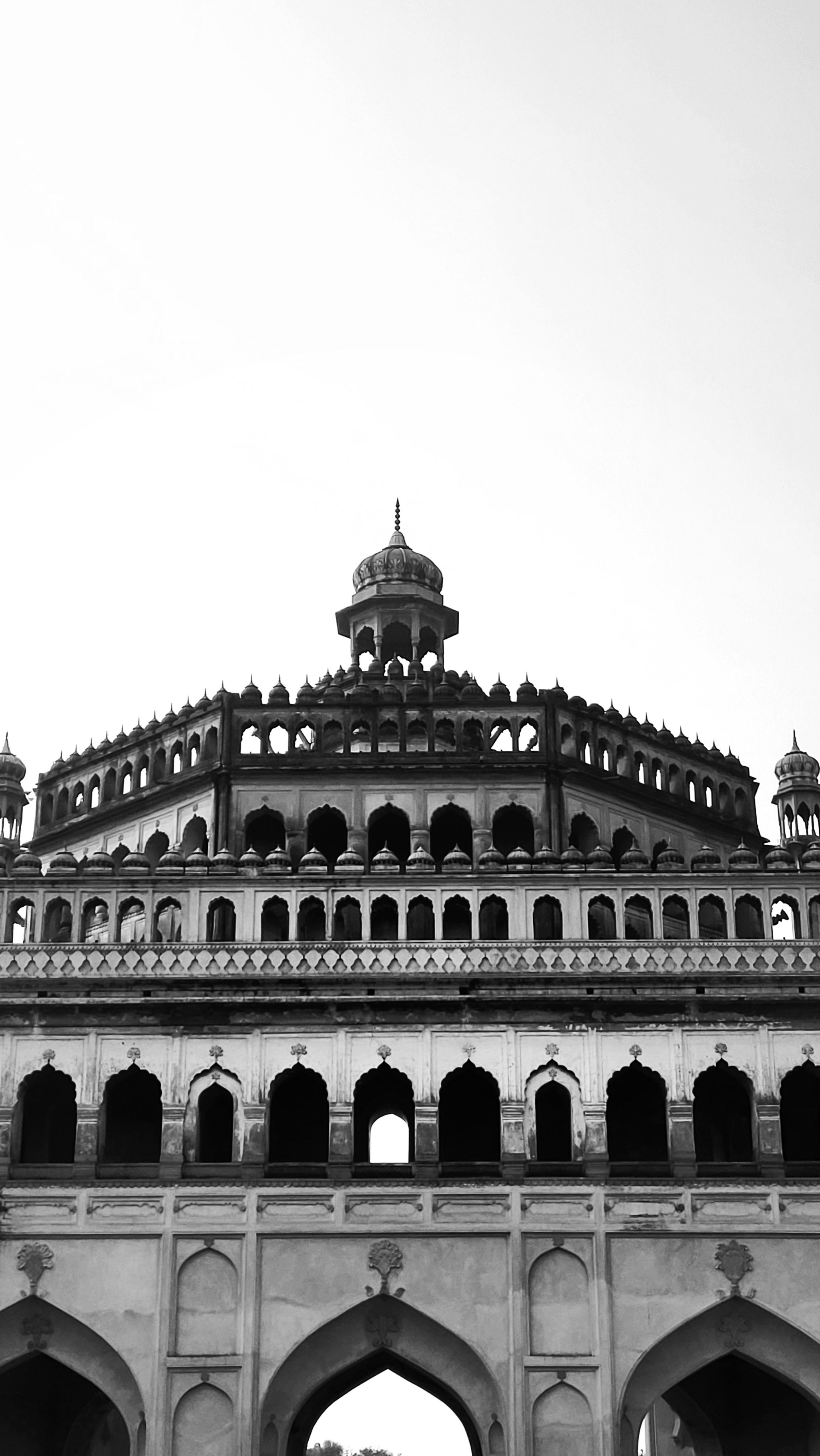
One of the tallest gateways in the world, marking the entrance to the Jama Masjid.
Experience
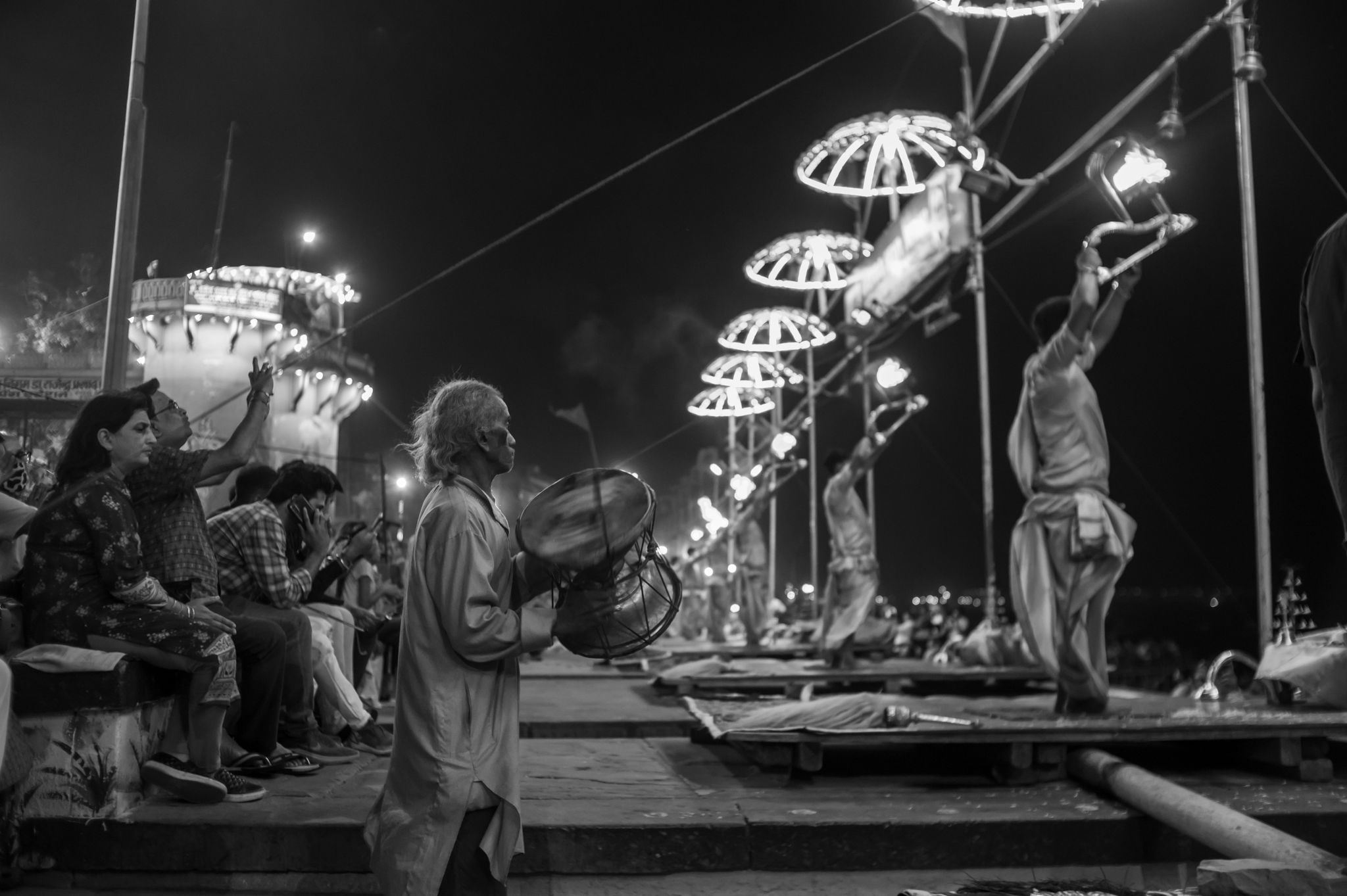
The main ghat where the grand evening Ganga Aarti is performed daily.
Attraction
A grand 18th-century monument famous for its central hall and the Bhulbhulaiya maze.

Attraction
The temple complex at the believed birthplace of Lord Krishna in Mathura.

Experience
The evening aarti is performed by priests on raised platforms with tiered brass lamps, every day at dusk. It is also the most crowded half hour in Varanasi, and half the audience watches from boats. If you want the ghat rather than the show, come at six in the morning.
Experience
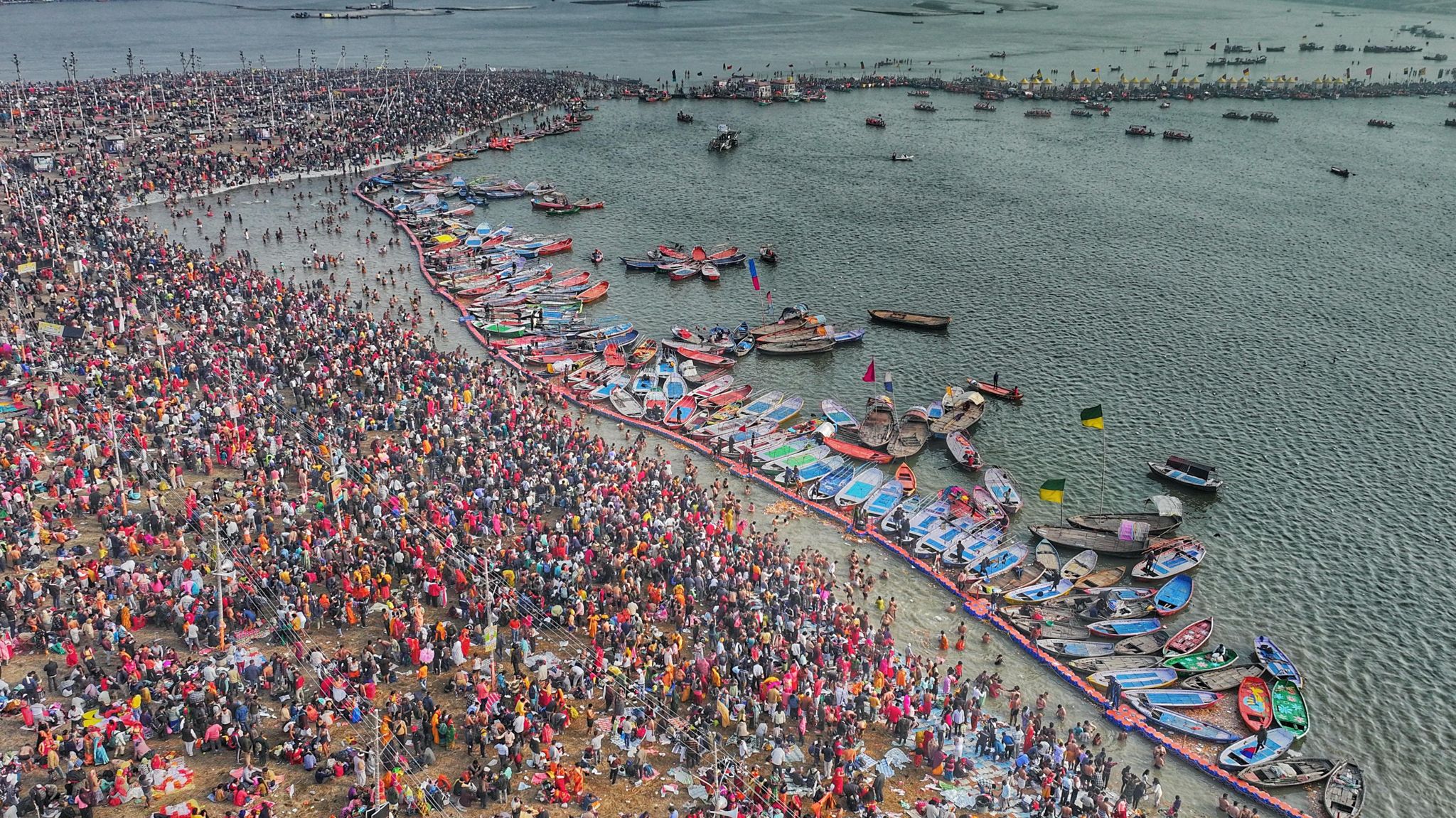
The sacred confluence of the Ganga, Yamuna and Saraswati, reached by boat.
Attraction
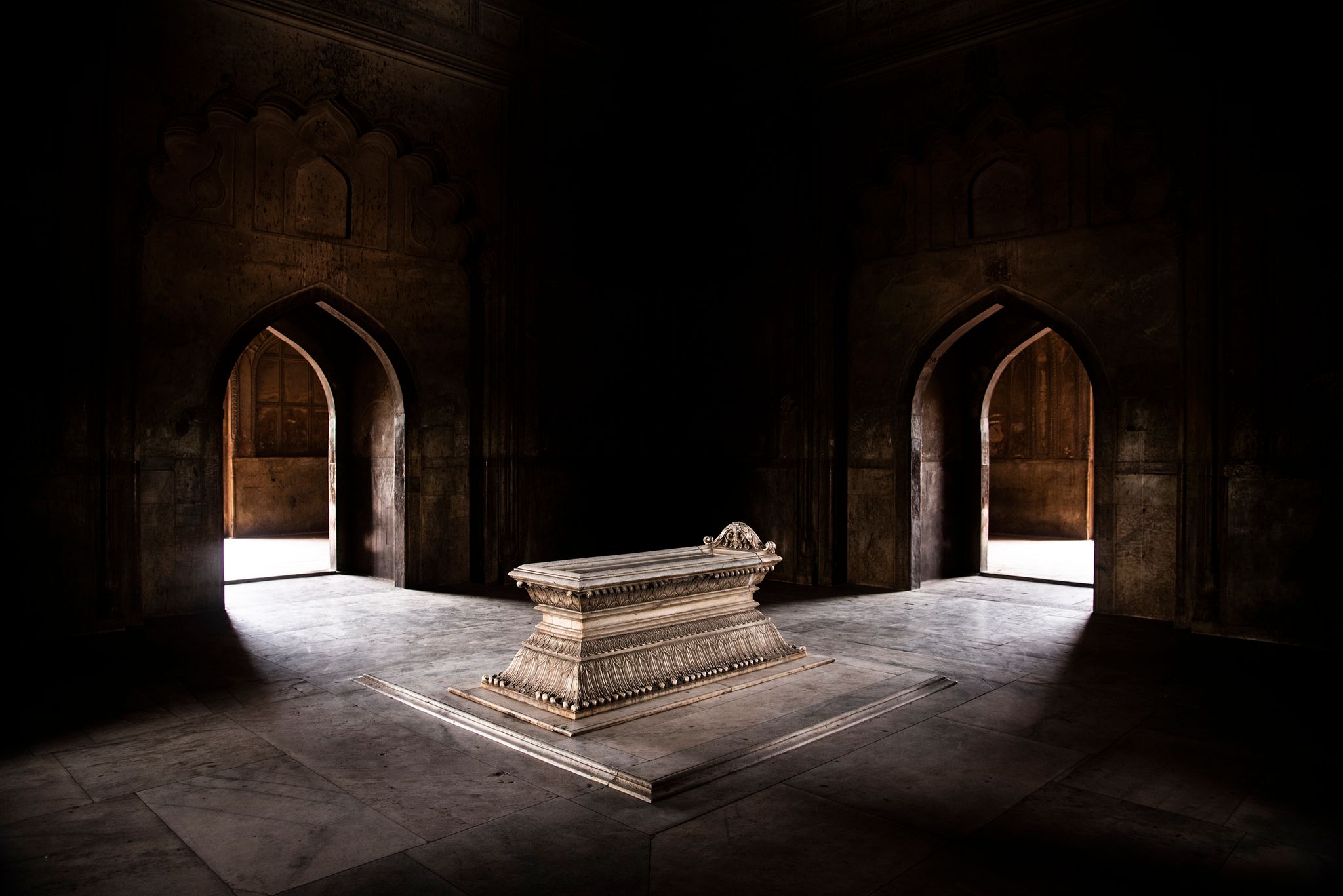
The high-ceilinged marble chamber housing the cenotaphs of Mumtaz Mahal and Shah Jahan, enclosed by a finely carved lattice screen.
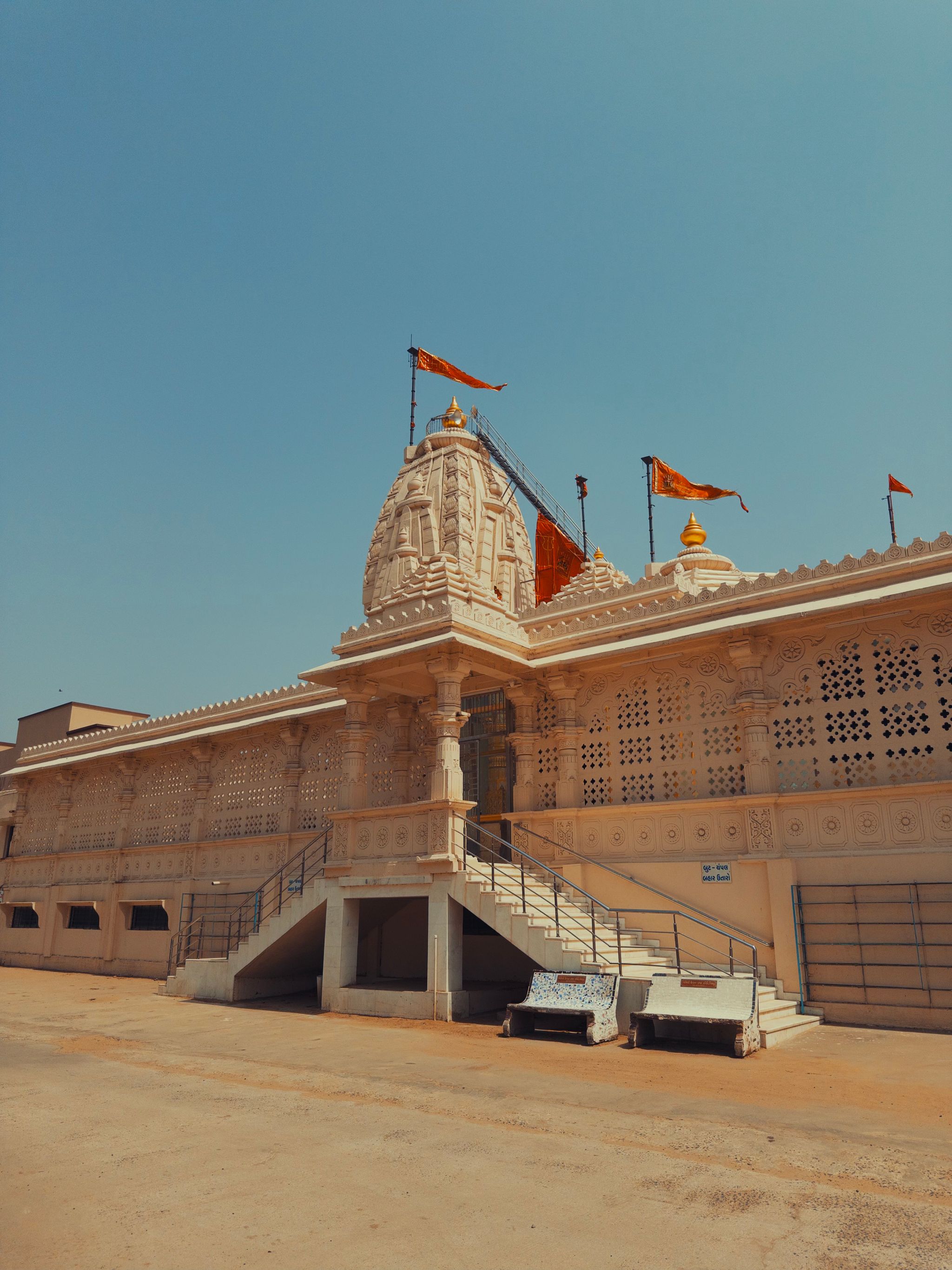
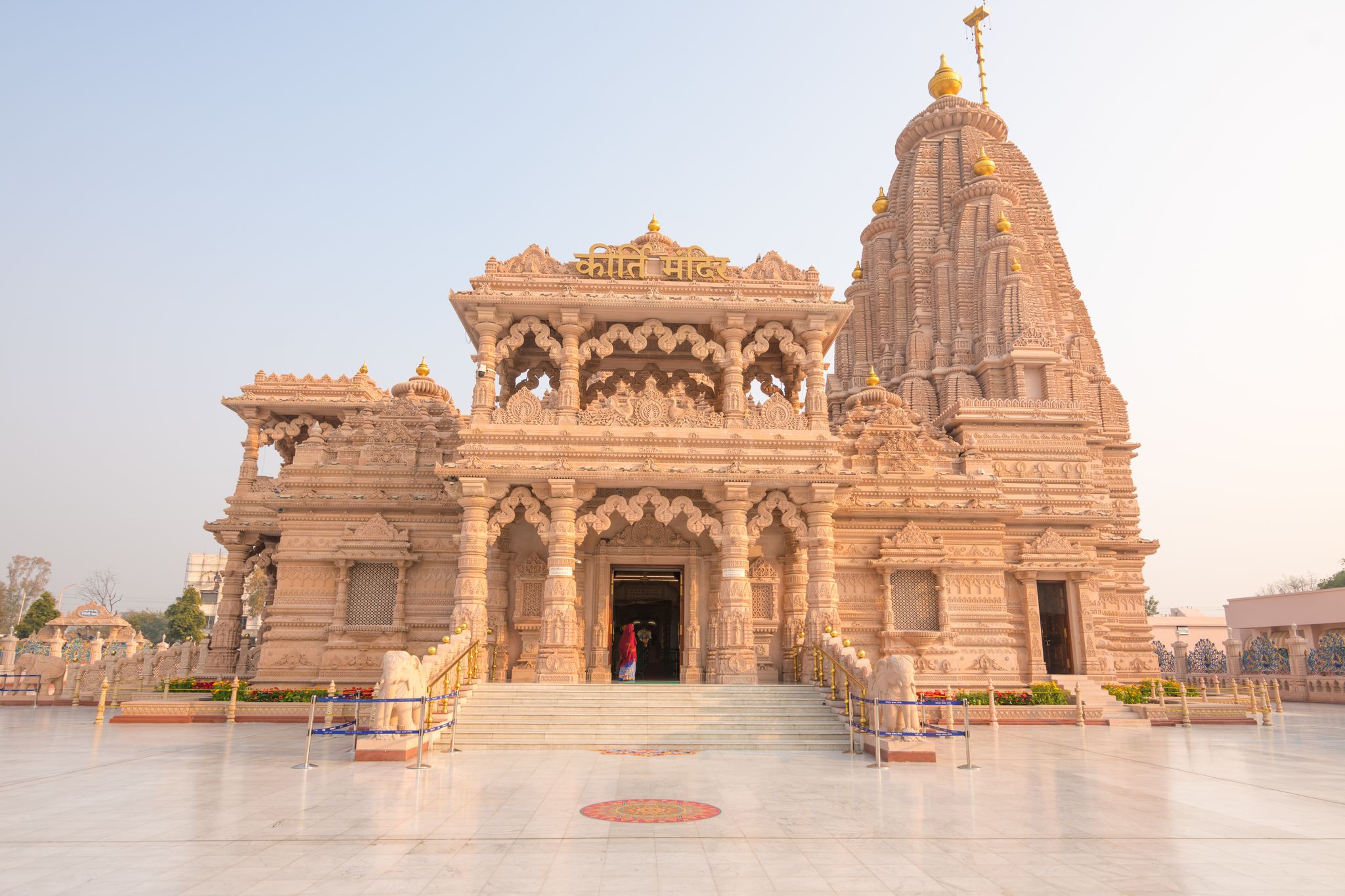
Experience
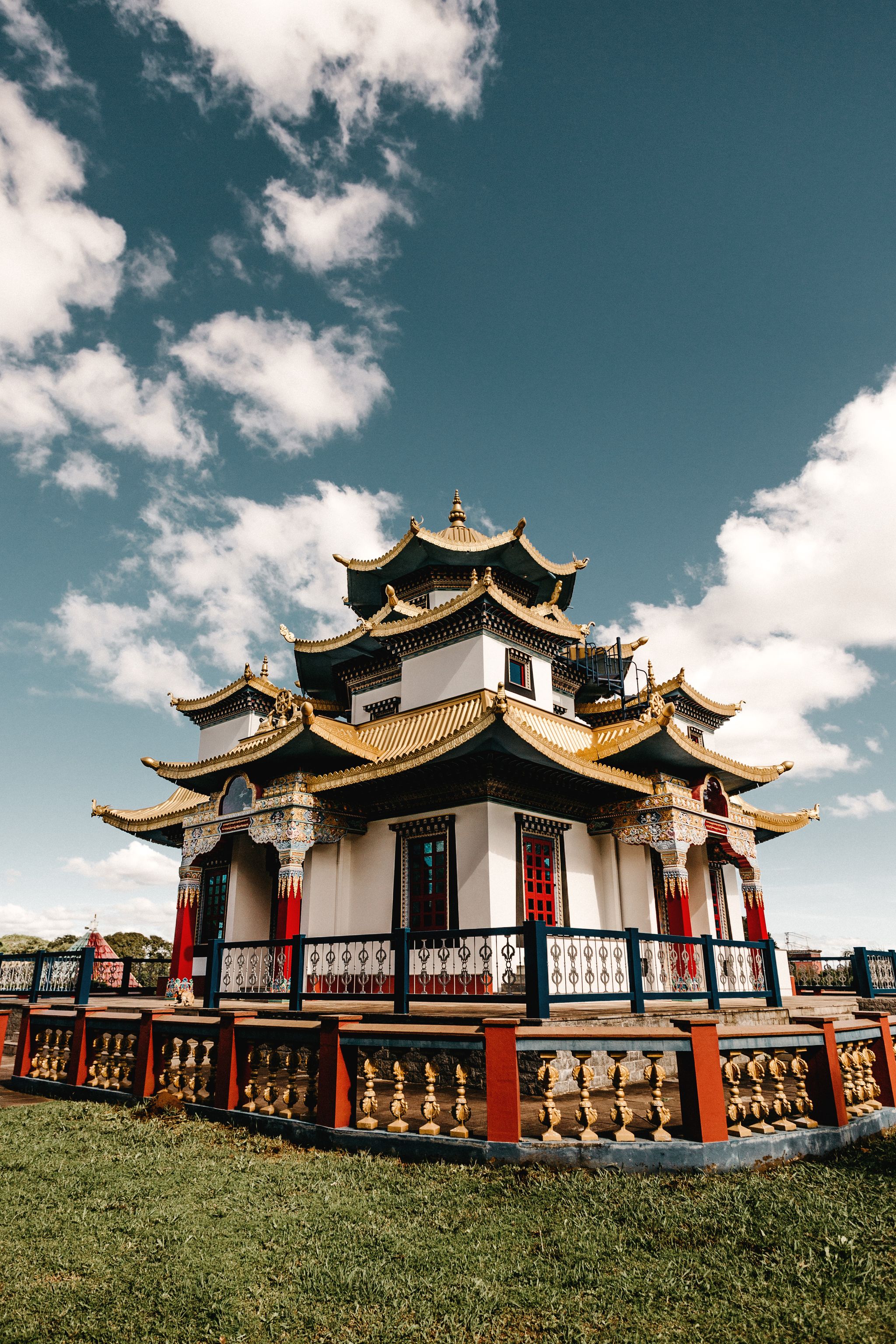
Opened in January 2024 in pink Rajasthani sandstone, Nagara style, three storeys, with work still finishing around it. Phones and bags are not allowed in, so use the lockers before you join the queue.
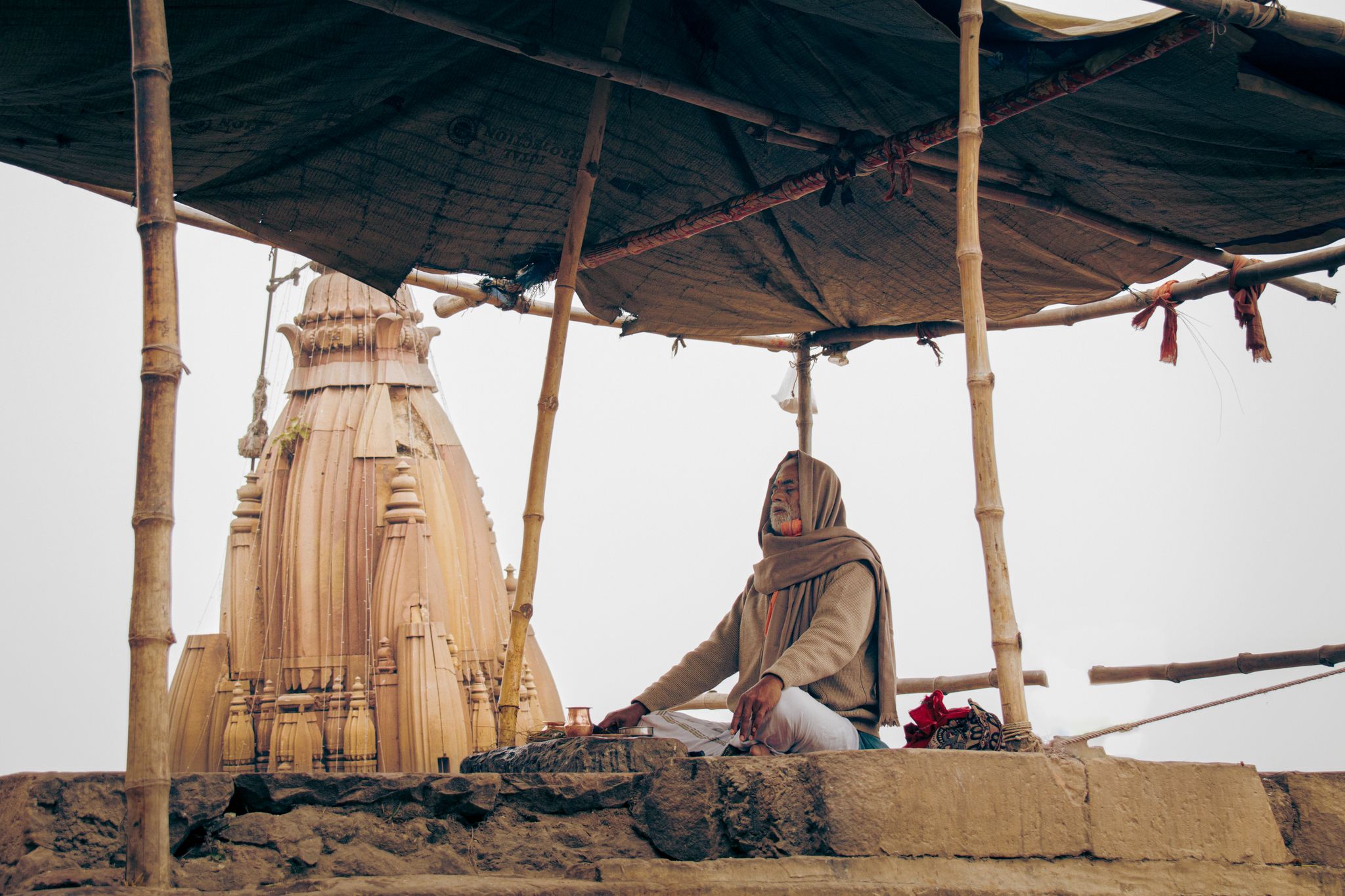
Experience
The highly sacred golden-spired Jyotirlinga Shiva temple, recently transformed into a wide, modern barrier-free pedestrian corridor.
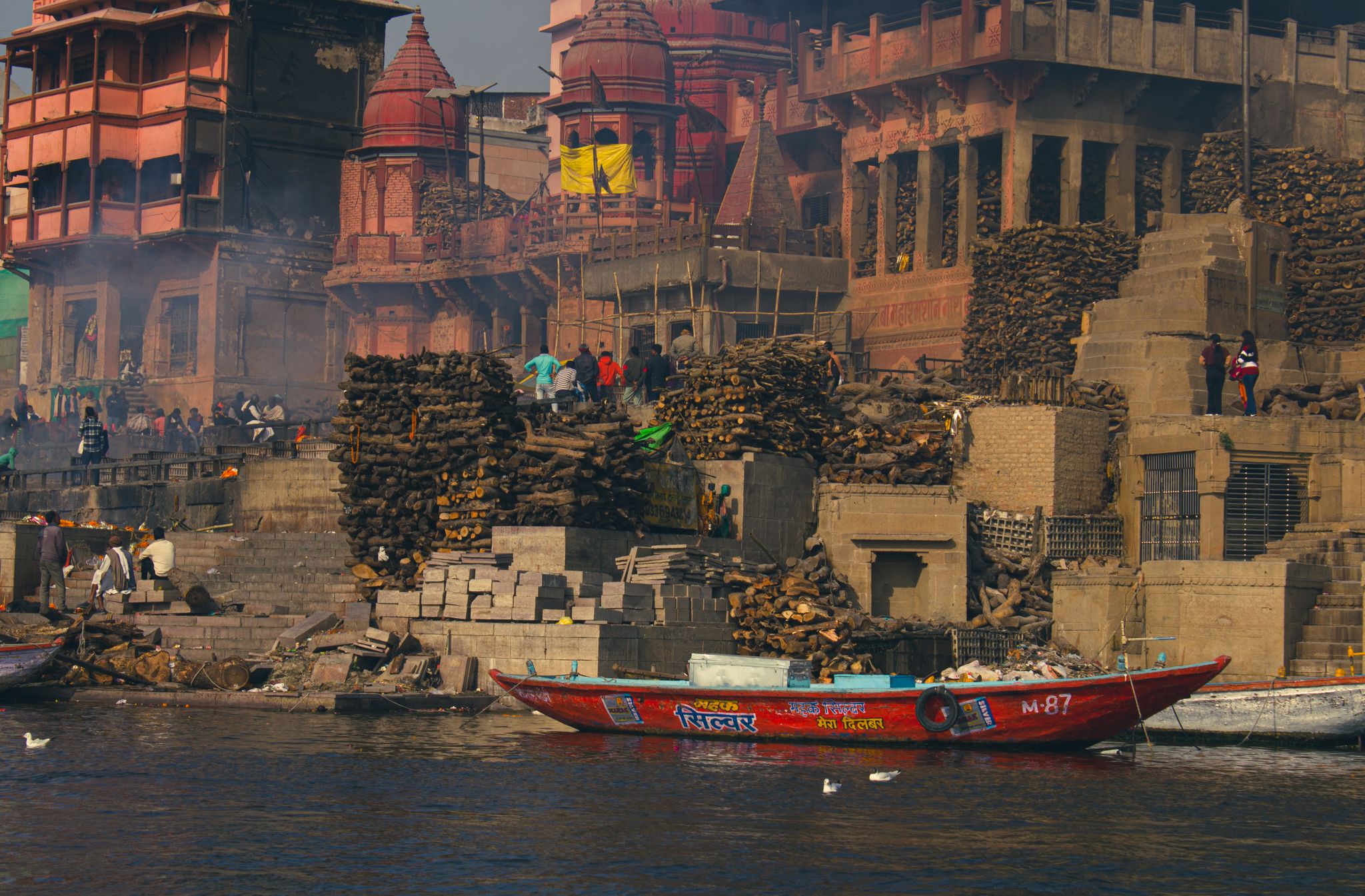
Experience
Riverfront ghats famous for the evening aarti and the Deepotsav festival.
Experience
The curtain is drawn across the deity every minute or two rather than left open — the tradition holds that an unbroken gaze is too much to bear. There are no bells here either. Very crowded, and the Mangala aarti happens only once a year.

Attraction
One of the twelve Jyotirlingas of Lord Shiva, at the heart of the new corridor.
Viewpoint
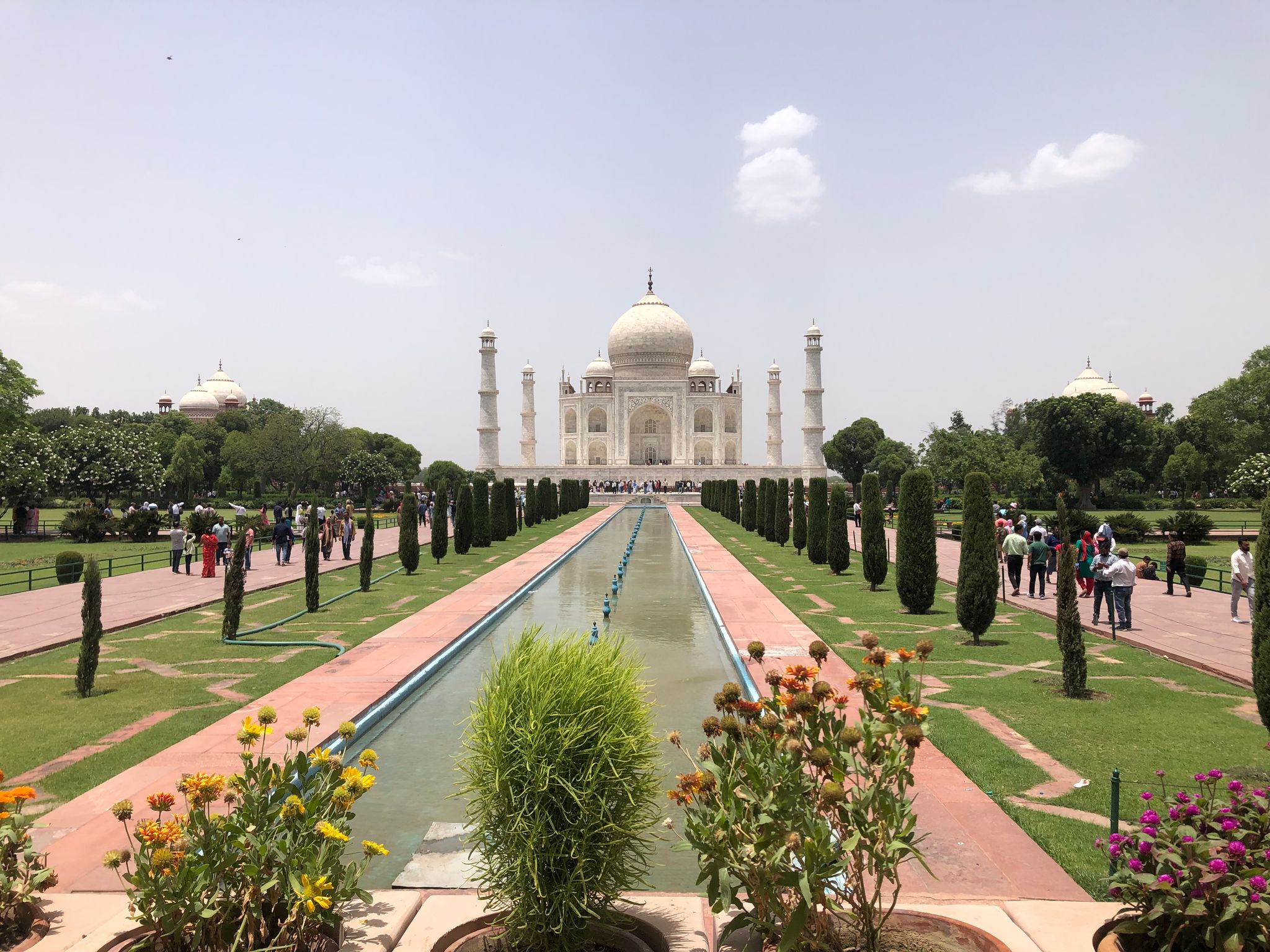
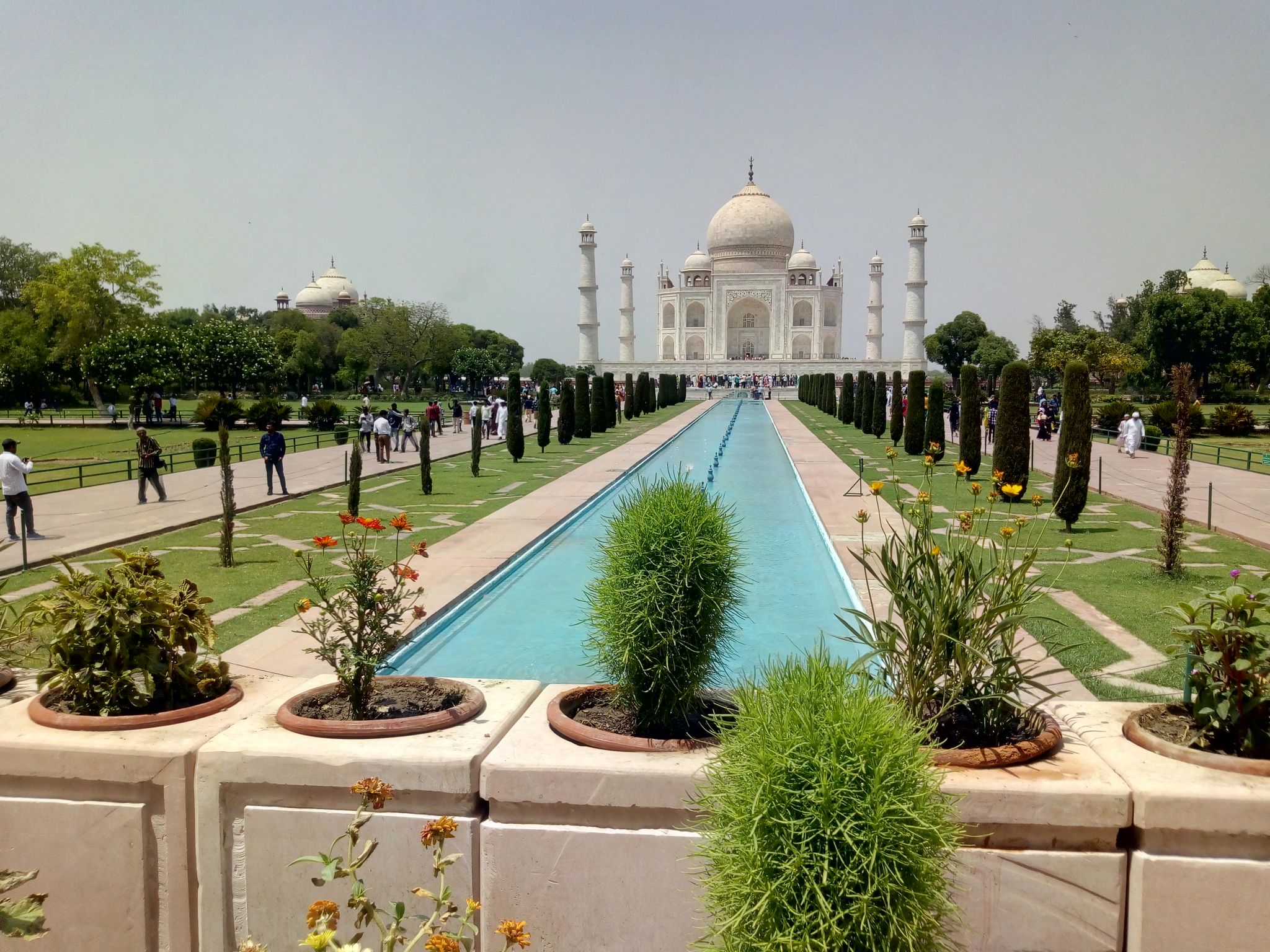
The four-part garden with the raised tank that gives the reflection everyone photographs. Worth knowing it was originally dense with fruit trees and flowers — the open lawns are a British replanting, which is why the Taj now reads as a monument in a park rather than a building in a garden.

Attraction
Vrindavan's most beloved Krishna temple, famous for its lively darshan.