CityDekho

Browse by place

CityRegionDestinationAttractions

Browse by theme

By MoodAll themesFestivals of IndiaFestival calendarAncient India

Popular themes

BeachesHill StationsSpiritual PlacesPilgrimage & YatrasHeritage & FortsWildlifeAdventureFood TrailsSee all themes
Trip Ideas
Travel ItinerariesTravel GuidesEditorials
When to Go
My TripsSavedProfile
HomeExploreSearchSaved

Travel inspiration in your inbox

New destinations, festival guides and hidden gems — plus the occasional alert. No spam, unsubscribe anytime.

or
CityDekho

Discover India — destinations, hidden gems, festivals and pilgrimages, all in one place.

hello@citydekho.com

Explore

  • Destinations
  • States & UTs
  • Things to do
  • Trip Ideas
  • Pilgrimages
  • Ancient India
  • Festivals

Plan your trip

  • Itineraries
  • Travel guides
  • Road trips
  • Food trails
  • Best time to visit
  • Festival calendar
  • Search CityDekho

Categories

  • Hill Stations
  • Beaches
  • Wildlife
  • Spiritual
  • Adventure
  • Heritage
  • Weekend getaways
  • Hidden gems

Stories & support

  • Editorials
  • Feedback & ideas
  • About
  • Contact
By seasonsummermonsoonautumnwinterspring

© 2026 CityDekho. All rights reserved.

AboutContactFeedbackBest time to visit
CityDekho

Browse by place

CityRegionDestinationAttractions

Browse by theme

By MoodAll themesFestivals of IndiaFestival calendarAncient India

Popular themes

BeachesHill StationsSpiritual PlacesPilgrimage & YatrasHeritage & FortsWildlifeAdventureFood TrailsSee all themes
Trip Ideas
Travel ItinerariesTravel GuidesEditorials
When to Go
My TripsSavedProfile
HomeExploreSearchSaved
Home

When to travel

Best places to visit in August

August is monsoon at its peak. Lush rainforests, waterfalls, and quiet hill stations — plus festivals like Onam in Kerala.

Low crowds
Zanskar Valley

Leh & Ladakh

Zanskar Valley

Zanskar is one of the last genuinely difficult journeys left in India, and that is the whole appeal. The valley is cut off by snow for around seven months of the year. In summer a single road comes in over the Pensi La from Kargil, and it is long, rough and worth every hour of it. Padum is the only real settlement. Phuktal monastery is built into a cliff cave above a river and takes a walk of several hours to reach — there is no road to it, which is why it feels the way it does. In deep winter, when the road closes, the frozen Zanskar river itself becomes the route: the Chadar trek, walked on the ice in temperatures well below freezing. It is a serious undertaking, not a holiday, and it needs a proper operator and real cold-weather experience. It has also become less reliable as winters warm, and trips are cancelled. If you are coming in summer, budget more days than the distance suggests. Landslides close the road, and there is no alternative route. July to early September for the road. Late January and February for the ice.

Crisp sunny afternoon hours with dry road tracks.

Peak crowds
Lonavala & Khandala photo

Maharashtra

Lonavala & Khandala

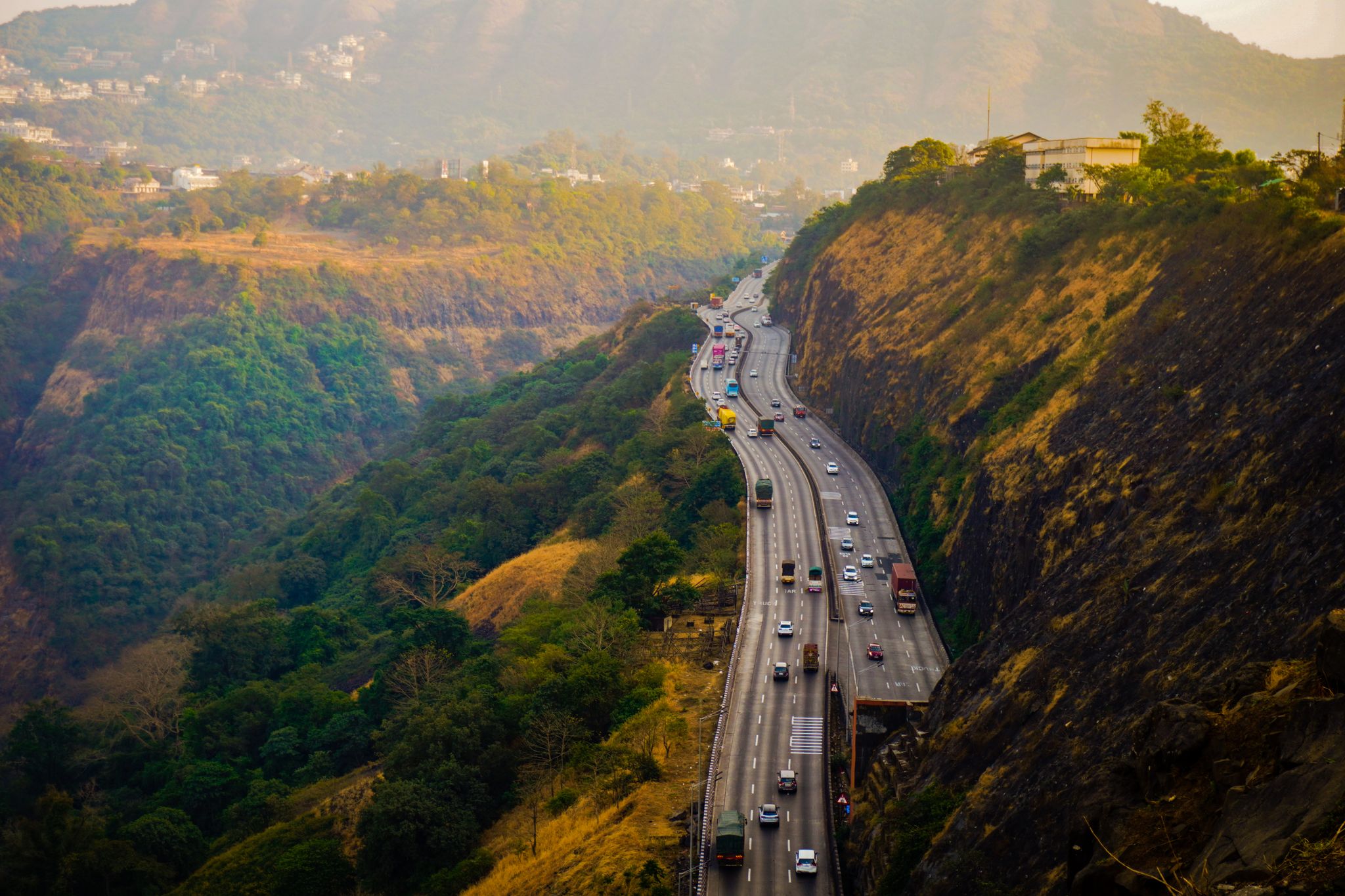
Lonavala and Khandala form a unified, highly popular twin-hill station resort enclave at an elevation of 622 metres on the sweeping Sahyadri ridges of the Western Ghats. Located along the high-traffic corridor linking Mumbai and Pune, the region is globally known for its dramatic mountain geography, comprising near-vertical cliff drops, deep green valleys, and seasonal waterfalls. During the monsoon season, the entire plateau transforms into a romantic landscape completely wrapped in thick, low-flying clouds and rolling mists. The towns act as a primary leisure playground for urban vacationers, with a distinct mixture of historic British sanatorium layouts, modern luxury villa developments, complex ancient Buddhist rock-cut caves like Karla and Bhaja, and local traditional confectionery markets.

Continuous heavy rainfall with misty weather and high cascades.

Busy
Saputara

Gujarat

Saputara

Saputara is Gujarat's only hill station, which makes it modest by Himalayan standards and genuinely useful if you are anywhere near Surat or Ahmedabad. It sits at about a thousand metres in the Dang forests near the Maharashtra border. The lake at the centre is the focus — boating, a promenade, and a ropeway up to the sunset point. None of it is dramatic. What is good is the drive in through the Sahyadri forest, the Gira waterfall after the monsoon, and the tribal museum, which is small and better than it needs to be. The monsoon and the weeks just after it are when this place justifies itself. The Saputara Monsoon Festival runs through those months, the forest is fully green and the waterfalls are actually falling. By March the hills have gone brown and the lake is low. Set your expectations to a cool weekend in the woods rather than a mountain trip, and it holds up. Two nights is right; a week would be too long. July to November.

Dense mountain fog, flowing waterfalls, beautiful green scenery.

Busy
Pavagadh Hill

Gujarat

Pavagadh Hill

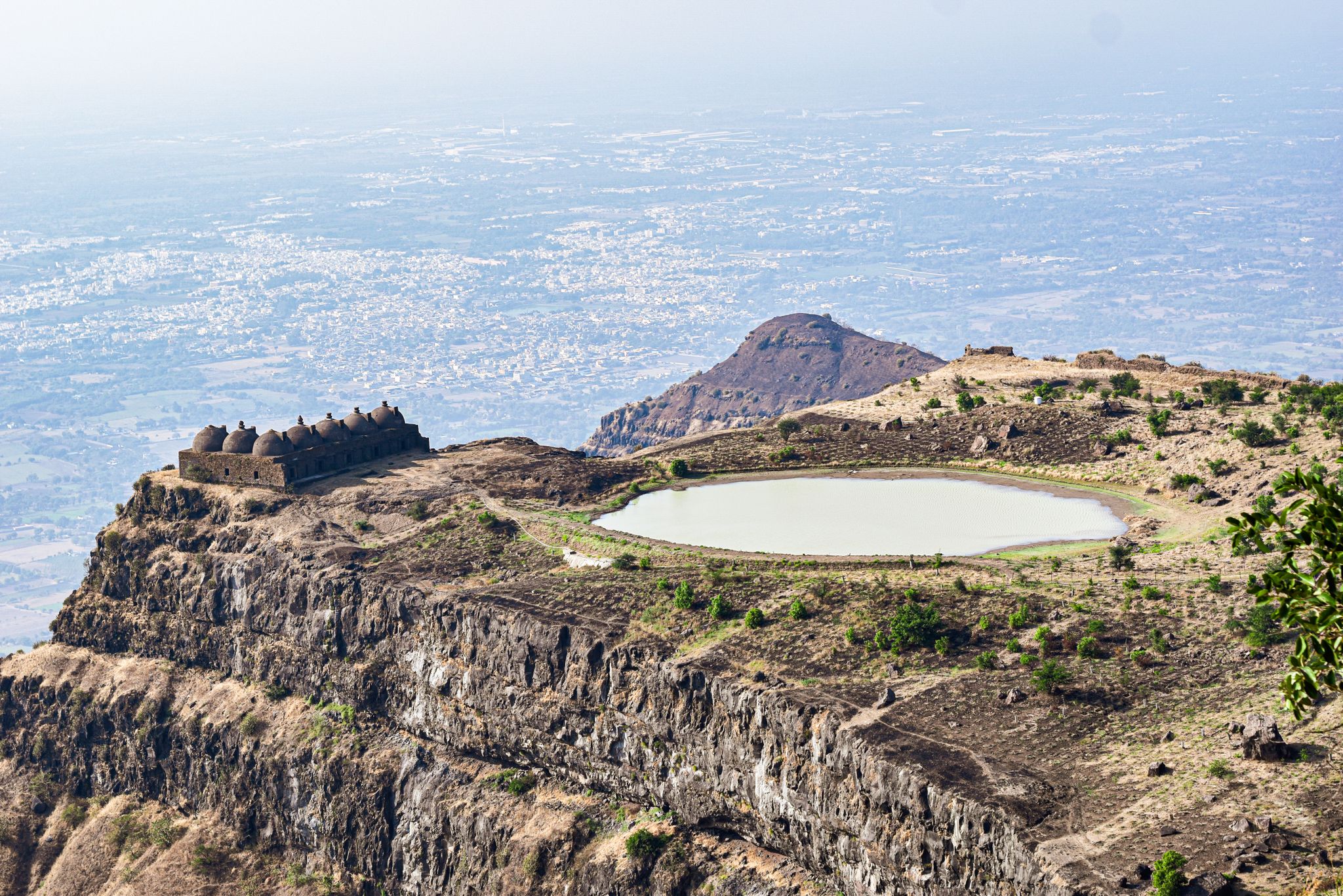
Pavagadh Hill is a volcanic plateau rising about 822 metres from the plains of the Panchmahal district, at the heart of the UNESCO-listed Champaner-Pavagadh Archaeological Park. Its slopes hold Rajput fortifications, medieval gateways and reservoirs, and a much-visited Kalika Mata (Shakti Peeth) shrine near the top.

Dense green volcanic slopes, misty cliff viewpoints.

Busy
Wilson Hills — photo

Gujarat

Wilson Hills

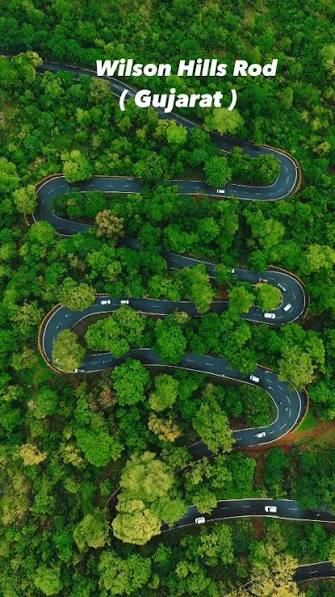
Wilson Hills is a small hill retreat in the Dharampur area of Valsad district, set around 2,500 feet up in the Pangarbari forests — one of the few hill spots in Gujarat from which, on a clear day, you can glimpse the distant Arabian Sea. Laid out as a summer retreat by the Dharampur ruler Vijaydevji and named after a Governor of Bombay, it is known for its winding ghat roads, cliffs and seasonal waterfalls.

Rolling cloud covers, heavy mist, active waterfalls.

Peak crowds
Leh-Ladakh

Leh & Ladakh

Leh-Ladakh

Leh-Ladakh is a high-altitude desert region cradled by the Himalayan and Karakoram ranges in the union territory of Ladakh. Famed for stark moonscapes, centuries-old Buddhist monasteries, turquoise lakes such as Pangong Tso and dramatic passes like Khardung La, it is one of India's greatest adventure and road-trip destinations, best explored from May to September.

Peak season continues

Busy
Leh

Leh & Ladakh

Leh

Leh sits at 3,500 metres and the single most important thing about it is that you cannot skip the first two days. Fly in and you arrive from sea level in ninety minutes. Spend the first forty-eight hours doing almost nothing — walk slowly, drink far more water than feels reasonable, no alcohol, no trekking. People who ignore this lose a week to altitude sickness or end up on a flight out. Coming overland from Manali or Srinagar acclimatises you properly, and if you have the days it is the better arrival. Once you are adjusted: Thiksey monastery at dawn for the morning prayers, which visitors are welcome at and which almost nobody attends. Hemis is grander but further. The Indus valley villages between Leh and Nimmu are where you see how people actually live at this altitude. Pangong and Nubra both need inner-line permits, arranged in Leh in a morning, and both are long hard drives. Pangong as a day trip is a mistake — twelve hours in a car for an hour at a lake. The road season is roughly June to September. Outside it the passes close and Leh is reachable only by air.

Pleasant daytime temperatures with light winds.

Busy
Pangong Tso

Leh & Ladakh

Pangong Tso

Pangong Tso is an endorheic lake at an elevation of approximately 4,225 metres on the high-altitude Changtang plateau of eastern Ladakh. Spanning nearly 134 kilometers in length, roughly one-third of this long lake lies within Indian territory, while the remaining stretch extends directly into Tibet. The water bodies are known for their unique ability to change color shades from azure to turquoise and brilliant indigo dynamically throughout the daytime. The lake basin is backdropped by stark, barren mountains that reflect off the crystal-clear water front like a giant mirror. Despite containing saline brackish water, the lake freezes over completely into heavy sheets of solid ice during severe winter months, creating a surreal arctic wilderness.

Clear days with bright blue water reflections.

Busy
Nubra Valley — photo

Leh & Ladakh

Nubra Valley

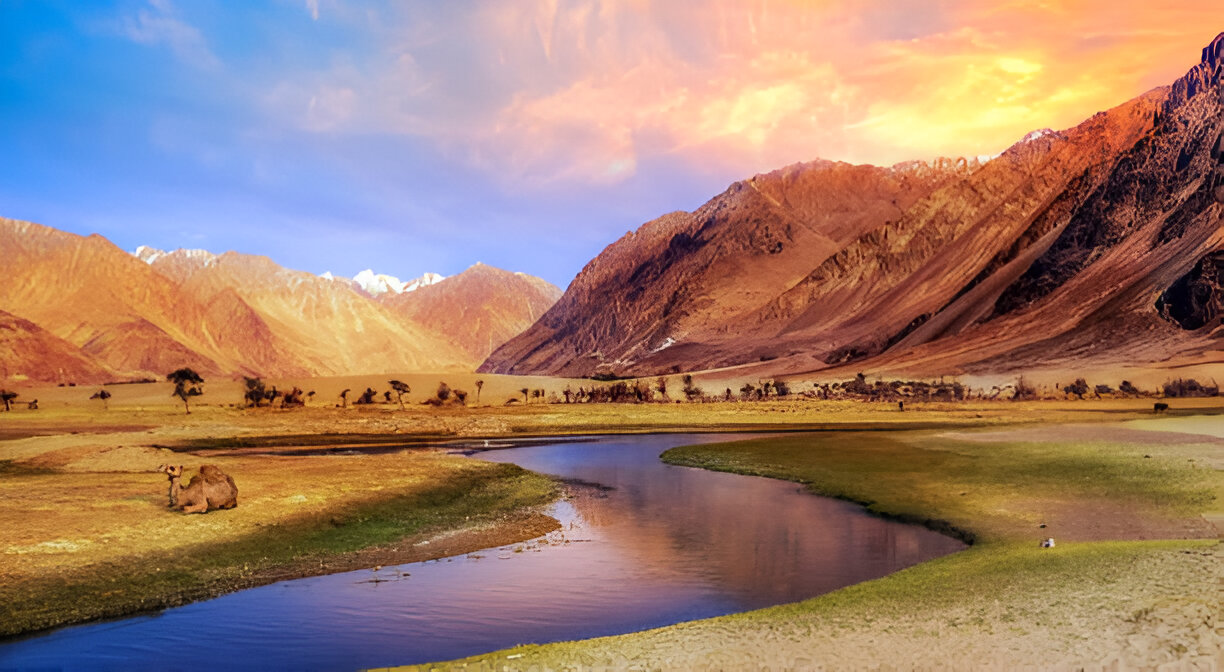
Nubra Valley is a striking tri-armed high-altitude river valley positioned north of Leh, sitting at an average elevation of nearly 3,048 metres. Carved over millennia by the confluence of the Shyok and Nubra rivers, it acts as a dramatic buffer separating the Ladakh mountain chain from the giant peaks of the Karakoram range. The geography presents an incredible landscape transition, shifting rapidly from jagged mountain cliffs and lush village oasis farms to rolling white sand dunes. The core tourism activity is centered around Hunder village, home to a cold desert ecosystem populated by rare double-horned Bactrian camels. The entire valley floor is overlooked by the historic Diskit Monastery, which houses a colossal outdoor statue of Maitreya Buddha facing down the valley.

Bright sunny afternoons with clear visibility.

Moderate crowds
Tso Moriri

Leh & Ladakh

Tso Moriri

Tso Moriri, or Mountain Lake, is an offbeat high-altitude lake tucked away at an astounding elevation of 4,522 metres on the Changtang plateau of southeastern Ladakh. The body of water spans roughly 19 kilometers in length and is entirely fed by glacial meltwater from surrounding snow peaks exceeding 6,000 metres. It is protected under international environmental treaties as part of the Tso Moriri Wetland Conservation Reserve. Unlike Pangong Tso, Tso Moriri is far quieter, less commercialized, and rawer for it. The cobalt-blue waters are flanked by the small nomadic settlement of Korzok, which houses an ancient mud-brick monastery. The surrounding marshy wetlands provide sanctuary to rare and endangered Himalayan migratory birds.

Crisp clear weather with high afternoon winds.

Busy
Magnetic Hill

Leh & Ladakh

Magnetic Hill

Magnetic Hill is a famous gravity-defying road stretch on the Srinagar-Leh National Highway, roughly 30 kilometers outside the capital town of Leh. Positioned at a height of approximately 3,350 metres above sea level, the location is clearly marked by a prominent yellow informational billboard erected by the local administration. When a stationary vehicle is placed in neutral gear inside the specifically marked rectangular box on the asphalt road, it appears to move uphill on its own accord at speeds reaching up to 20 kilometers per hour. While popular regional folklore attributes this movement to deep magnetic forces embedded inside the rocky mountains, scientific testing confirms it is an extraordinary optical illusion. The specific layout of the surrounding horizon and slopes distorts human perspective, making a slight downhill slope appear like a steep rising hill.

Sunny with comfortable driving conditions.

Busy
Spiti Valley (Kaza)

Himachal Pradesh

Spiti Valley (Kaza)

Spiti is the emptiest place in India that you can still drive to, and the reason to come is the scale of the nothing. This is high-altitude cold desert at 3,800 metres and above — bare rock, no trees, the river a thin green line at the bottom of it. Key monastery above Kaza is the one everyone photographs and deserves to be. Dhankar, built onto a spur of crumbling cliff, is the one that stays with you. Tabo has thousand-year-old wall paintings in a mud-brick complex that looks like nothing from outside. Kibber and Langza are the villages people go to for the fossils and the height; Komic claims to be among the highest with a motorable road. Go for the walking between them rather than to tick them off. Access decides your trip. The Manali side over Kunzum La is open roughly June to October. The Shimla side through Kinnaur is open most of the year and is the safer bet, but it is a long two-day drive. Doing it Shimla-in, Manali-out gives you gradual altitude gain, which is the right way round. Nights are cold in every month. There is no reliable mobile signal and cash machines are unreliable — bring notes.

Clear days with bright sunshine over mountain ridges.

Busy
Key Monastery photo

Himachal Pradesh

Key Monastery

Key Monastery is a thousand-year-old Tibetan Buddhist monastery belonging to the Gelugpa (Yellow Hat) lineage. At 4,166 metres, it sits on a prominent volcanic cone hill overlooking the wide Spiti River valley floor. Located roughly 14 kilometers from Kaza, it stands as the largest monastery, primary spiritual archive, and leading training school for resident Lamas in Spiti Valley. The unique architectural layout of the monastery has evolved over centuries of restructuring, resulting in a tightly stacked, fortress-like profile known as the Pasada style. The close grouping of white-washed mud-brick rooms, multi-tiered chapels, and narrow defensive corridors gives the complex the appearance of a monolithic castle emerging naturally from the mountain slope.

Sunny clear afternoons with comfortable tracking.

Busy
Chandratal Lake photo

Himachal Pradesh

Chandratal Lake

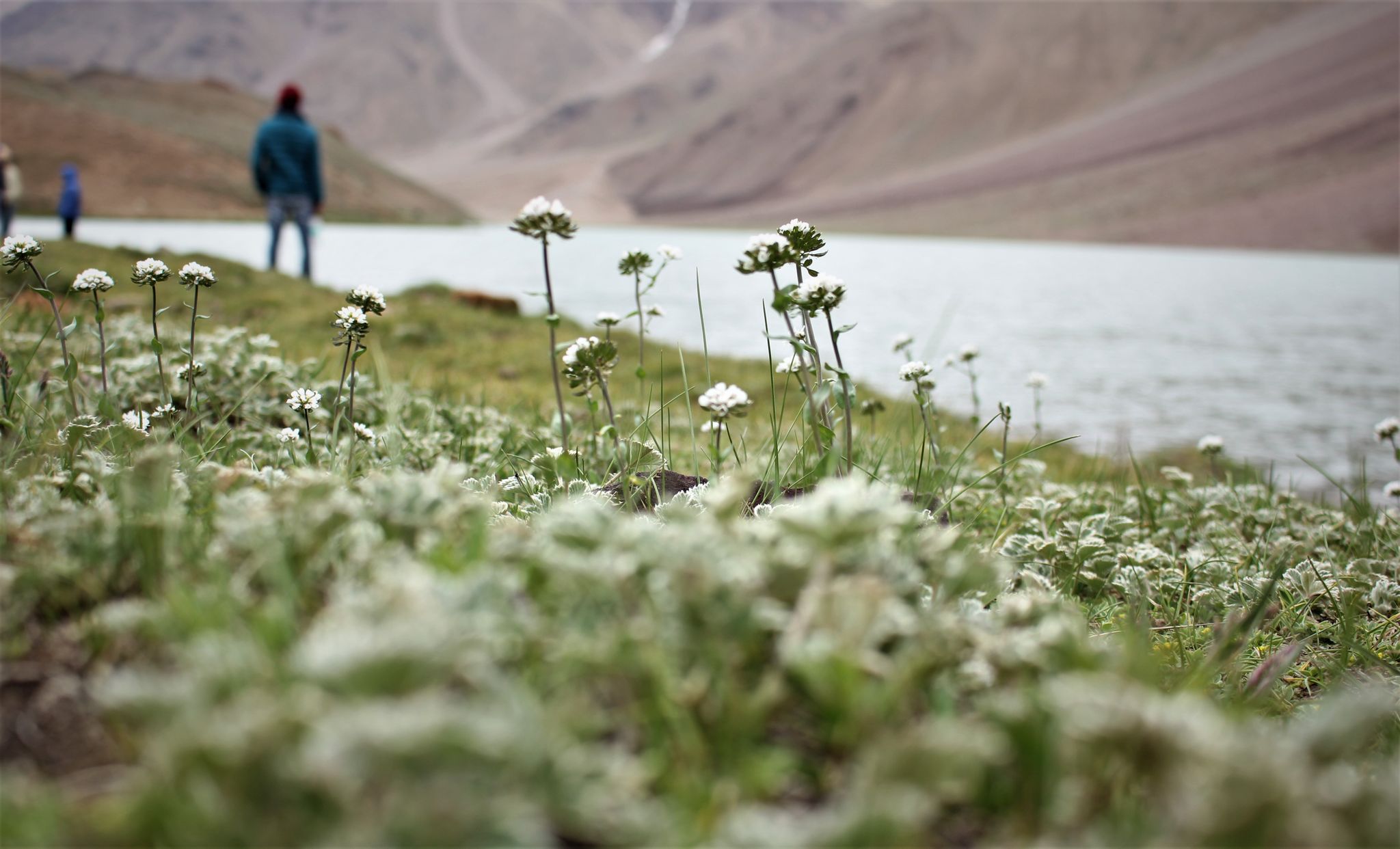
Chandratal Lake, translating to the Lake of the Moon, is a high-altitude glacial gem at an elevation of approximately 4,250 metres in the Lahaul and Spiti district, on the Samudra Tapu plateau overlooking the thundering Chandra River valley, the lake gets its name from its natural crescent contour shape. The body of water spans roughly 2.5 kilometers in circumference and is entirely surrounded by snow-covered mountain ridges. The lake is known for its hyper-clear water, which reflects the surrounding peaks and changing sky like a mirror. The color shifts dynamically from clear turquoise to aquamarine and deep emerald green as the day advances. The entire area is a protected Ramsar wetland eco-zone, preserving a fragile alpine meadow ecosystem.

Sunny afternoons with bright blue water surfaces.

Moderate crowds
Hemis Monastery

Leh & Ladakh

Hemis Monastery

Hemis Monastery is a deeply revered Himalayan Buddhist sanctuary belonging to the Drukpa (Dragon) lineage of the Kagyu sect. Tucked away discreetly inside a hidden mountain canyon along the western banks of the Indus River, it lies roughly 45 kilometers south of main Leh town. It stands as the largest, wealthiest, and most institutionally influential monastery complex across Ladakh. The massive architecture presents a beautiful specimen of traditional Tibetan monastic layout, featuring white-washed stone masonry walls, intricately painted timber windows, and expansive open flagstone courtyards. Hemis houses an underground heritage museum containing priceless multi-century collections of gold-plated statues, sacred thangkas, and ancient weapons.

Bright sunny afternoons with excellent visibility.

Moderate crowds
Ellora Caves photo

Maharashtra

Ellora Caves

The Ellora Caves are a group of 34 rock-cut shrines carved into the basalt cliffs of the Charanandri Hills near Aurangabad. Stretching over two kilometres, they bring together Hindu, Buddhist and Jain temples cut between the 6th and 10th centuries CE — a rare place where all three faiths sit side by side. The centrepiece is Cave 16, the Kailasa Temple: the largest monolithic rock-cut structure in the world, carved top-down from a single cliff. Hundreds of thousands of tonnes of basalt were removed to reveal a multi-storey temple with carved pillars, life-size elephants and detailed galleries.

Humid rainy afternoons with active hill waterfalls in view.

Moderate crowds
Mount Kailash

Mount Kailash

Mount Kailash, a 6,638-metre peak in the remote Tibetan plateau, is among the most sacred mountains on earth — revered by Hindus as the abode of Lord Shiva, by Buddhists, Jains and the Bon faith alike. Pilgrims undertake the arduous 52-km kora (circumambulation) around its base; the peak itself is never climbed.

Clear but cold high-plateau days.

Moderate crowds
Lake Mansarovar

Lake Mansarovar

Lake Mansarovar, at 4,590 metres one of the highest freshwater lakes in the world, lies at the foot of Mount Kailash on the Tibetan plateau. Its turquoise water is deeply sacred to Hindus, Buddhists and Jains, and pilgrims bathe in and circumambulate the lake as part of the Kailash yatra.

Clear but cold high-plateau days.

Moderate crowds
Valley of Flowers National Park

Uttarakhand

Valley of Flowers National Park

A UNESCO World Heritage Site in the high Himalayas famed for its vast meadows of endemic alpine flowers blooming in monsoon. The Valley of Flowers National Park is an Indian national park located in North Chamoli, deep within the West Himalaya region. It is known for its alpine meadows carpeted with hundreds of species of colorful wild orchids, poppies, and primulas.

Festivals in August

From our festival calendar. Most Indian festivals move with the lunar calendar, so we name the month rather than a day.

Aranmula Boat Race (Uthrattathi)August

Aranmula Boat Race (Uthrattathi)

cultural

Explore festival →
Bastar DussehraAugust - October

Bastar Dussehra

cultural

Explore festival →
August

Drupka Tseshi

religious

Explore festival →
Ker PujaAugust

Ker Puja

religious

Explore festival →
August

Narali Purnima

religious

Explore festival →
Nehru Trophy Boat RaceAugust

Nehru Trophy Boat Race

cultural

Over 200,000 spectators

Explore festival →
OnamAugust

Onam

regional

Explore festival →
Rakhi Purnima (Gamha Purnima)August

Rakhi Purnima (Gamha Purnima)

religious

Explore festival →

Other months

januaryfebruarymarchaprilmayjunejulyseptemberoctobernovemberdecember

Travel inspiration in your inbox

New destinations, festival guides and hidden gems — plus the occasional alert. No spam, unsubscribe anytime.

or
CityDekho

Discover India — destinations, hidden gems, festivals and pilgrimages, all in one place.

hello@citydekho.com

Explore

  • Destinations
  • States & UTs
  • Things to do
  • Trip Ideas
  • Pilgrimages
  • Ancient India
  • Festivals

Plan your trip

  • Itineraries
  • Travel guides
  • Road trips
  • Food trails
  • Best time to visit
  • Festival calendar
  • Search CityDekho

Categories

  • Hill Stations
  • Beaches
  • Wildlife
  • Spiritual
  • Adventure
  • Heritage
  • Weekend getaways
  • Hidden gems

Stories & support

  • Editorials
  • Feedback & ideas
  • About
  • Contact
By seasonsummermonsoonautumnwinterspring

© 2026 CityDekho. All rights reserved.

AboutContactFeedbackBest time to visit