
Rock-cut Caves
Heritage
Ajanta, Ellora, Elephanta and the lesser-known basalt excavations around them.
11 places
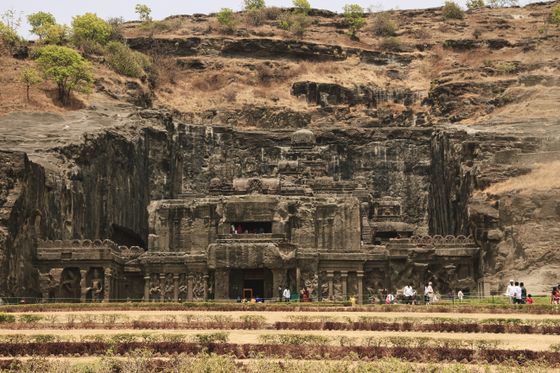
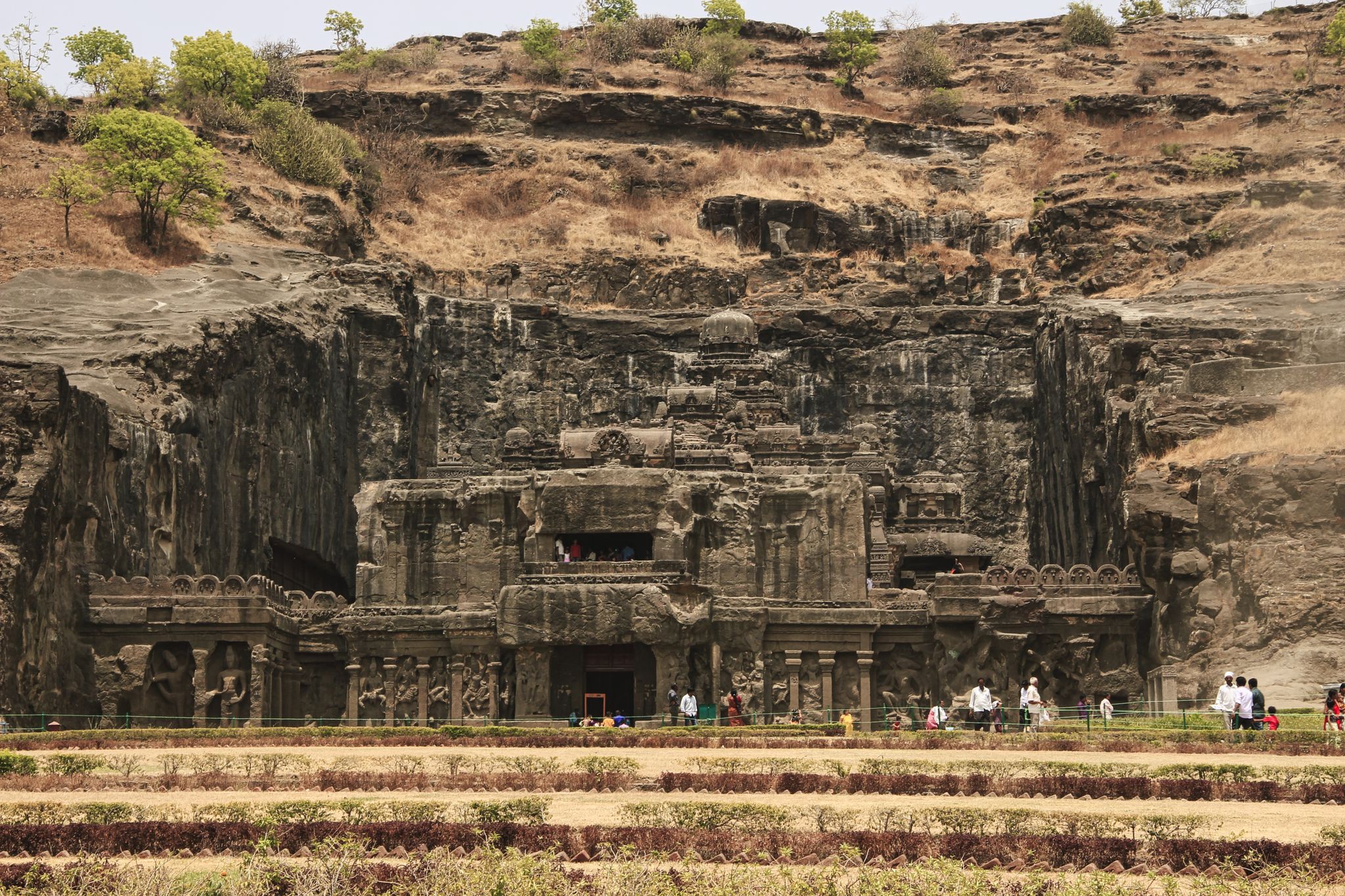
Ellora Caves
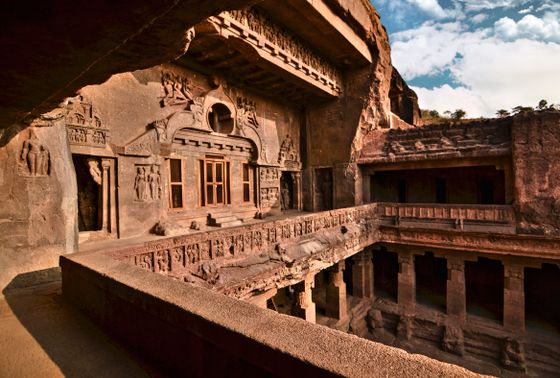
Kailash Temple (Cave 16)
Cut downwards out of one piece of hillside in the eighth century until a complete two-storey temple stood clear of the rock — nothing was added, only stone taken away. Ellora closes on Tuesdays. Walk up the side path for the view down into it.
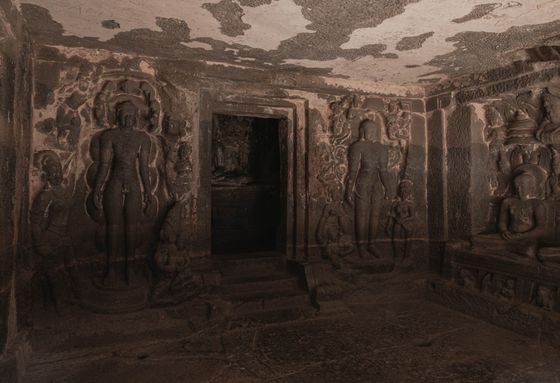
Ellora Caves
Vishwakarma Cave (Cave 10)
The only chaitya hall at Ellora, and its vaulted ceiling is carved in stone to imitate wooden ribs, which is where the carpenter's-cave name comes from. Stand at the back and the sound changes noticeably.
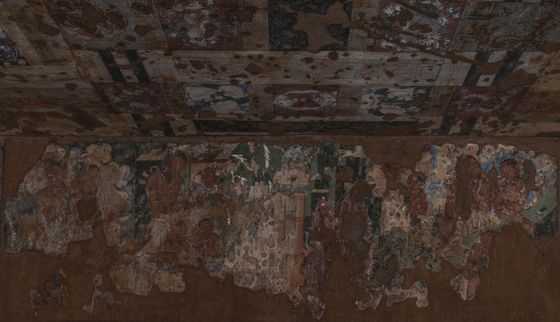
Ajanta Caves
Cave 1 (Padmapani Fresco)
A grand Mahayana vihara cave housing the globally celebrated, masterpiece wall painting of Bodhisattva Padmapani holding a blue lotus.
Ajanta Caves
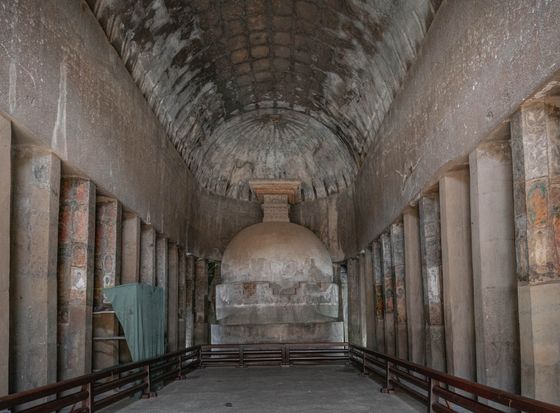
Cave 26 (Mahaparinirvana)
A chaitya hall with a seven-metre reclining Buddha cut along the left wall at the moment of death. Easy to walk past — the sculpture sits back in the aisle, not on the axis.
Kamakhya Temple
Inner Cave Sanctum
The natural subterranean stone fissure representing the Goddess, continuously fed by a sacred underground spring.
Maharashtra
Ajanta Caves
Maharashtra
Ellora Caves
Madhya Pradesh
Rock Shelters of Bhimbetka
Badami, Karnataka
Badami Fort
Gharapuri (Elephanta Island), Maharashtra
Elephanta Caves
Odisha
Udayagiri & Khandagiri Caves
Udayagiri and Khandagiri are twin hills on the outskirts of Bhubaneswar honeycombed with rock-cut caves carved as dwellings for Jain monks, dating back to the 2nd century BCE. Udayagiri's Rani Gumpha (Queen's Cave) is the most elaborate, while the hills together carry the historically important Hathigumpha inscription of the Kalinga king Kharavela. As one of India's oldest surviving examples of Jain rock-cut architecture, the site draws well over a million visitors a year and is among Odisha's most-visited heritage attractions.
.JPG?width=560)


