

Tombs & Mausoleums
Heritage
Mughal garden tombs, Deccan gumbads and the one everybody comes for.
10 places

Junagadh
Mahabat Maqbara Complex
Two mausoleums side by side, finished in 1892 and 1896: one for Mahabat Khan II, Nawab of Junagadh, the other for his minister Bahauddin Hussain Bhar. What makes them worth the detour is the mix — Indo-Islamic domes and arches carrying Gothic windows, silver doors, and four minarets with staircases winding up the outside of them, which is close to unique in India. They have been poorly maintained for years and are often locked; the exterior is the visit, and it is enough. Late afternoon light suits the stonework better than midday.
Taj Mahal (Agra)
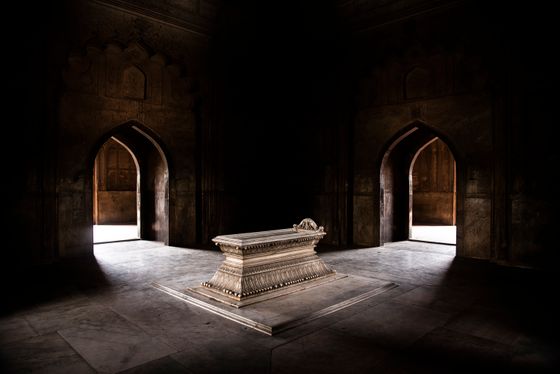
Main Tomb Chamber
The high-ceilinged marble chamber housing the cenotaphs of Mumtaz Mahal and Shah Jahan, enclosed by a finely carved lattice screen.
Fatehpur Sikri
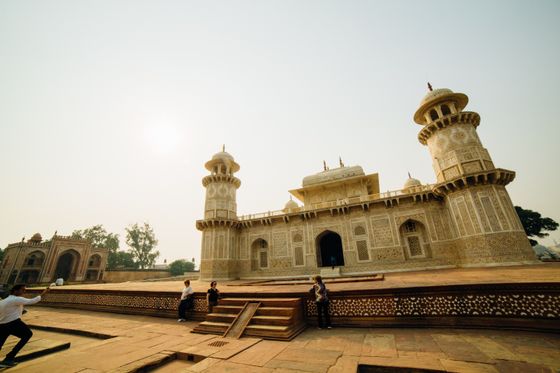
Tomb of Salim Chishti
An exquisite white-marble Sufi shrine in the mosque courtyard.
Orchha
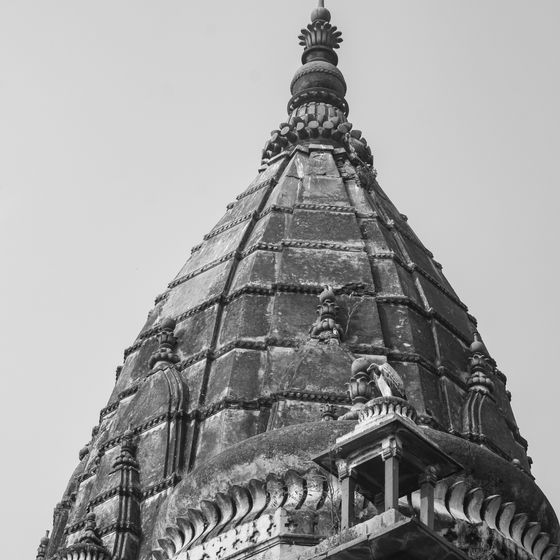
Betwa Cenotaphs (Chhatris)
Cenotaphs to the Bundela rulers standing in a row along the Betwa. Best at the end of the day, seen from the far bank, where nobody charges you anything.
Delhi, Delhi
Humayun's Tomb
Agra, Uttar Pradesh
Taj Mahal

Maharashtra
Bibi Ka Maqbara (Aurangabad)
Bibi Ka Maqbara in Aurangabad (Chhatrapati Sambhajinagar) is a grand Mughal mausoleum built in the 1660s to 1670s for Dilras Banu Begum, the wife of Emperor Aurangzeb. Closely modelled on the Taj Mahal, its marble and stucco dome earned it the nickname the Taj of the Deccan.

Karnataka
Gol Gumbaz (Vijayapura)
Gol Gumbaz in Vijayapura (Bijapur) is the mausoleum of Sultan Mohammed Adil Shah, completed in 1656. Crowned by one of the largest masonry domes in the world, it is famous for its Whispering Gallery, where even a soft sound is carried clearly across the vast circular hall and echoes many times over.

Delhi
Safdarjung's Tomb (Delhi)
Safdarjung's Tomb is a garden-tomb built around 1754 for Safdarjung, the powerful Nawab of Awadh and a prime minister of the Mughal empire. Set in a formal charbagh garden, its red-and-buff sandstone dome and symmetrical layout make it one of the last great monuments of the Mughal era.

Uttar Pradesh
Taj Mahal (Agra)
The Taj Mahal is a renowned white marble mausoleum built on the southern banks of the Yamuna River in Agra. Commissioned in 1632 by the Mughal Emperor Shah Jahan to house the tomb of his favorite wife, Mumtaz Mahal, the monument stands as the pinnacle of Mughal architectural achievement. The entire structure is symmetrical and brings out flawless geometric design. The complex features a grand red sandstone gateway, a formal geometric garden divided by long reflecting pools, and a massive marble plinth topped by a central dome and four identical minarets. The white marble surfaces are intricately decorated with fine inlay work using semi-precious stones, creating a changing color spectrum that shifts from soft pink at dawn to brilliant white under noon skies and shimmering gold under full moonlight.
