

India's Wildlife Trail
India Trails
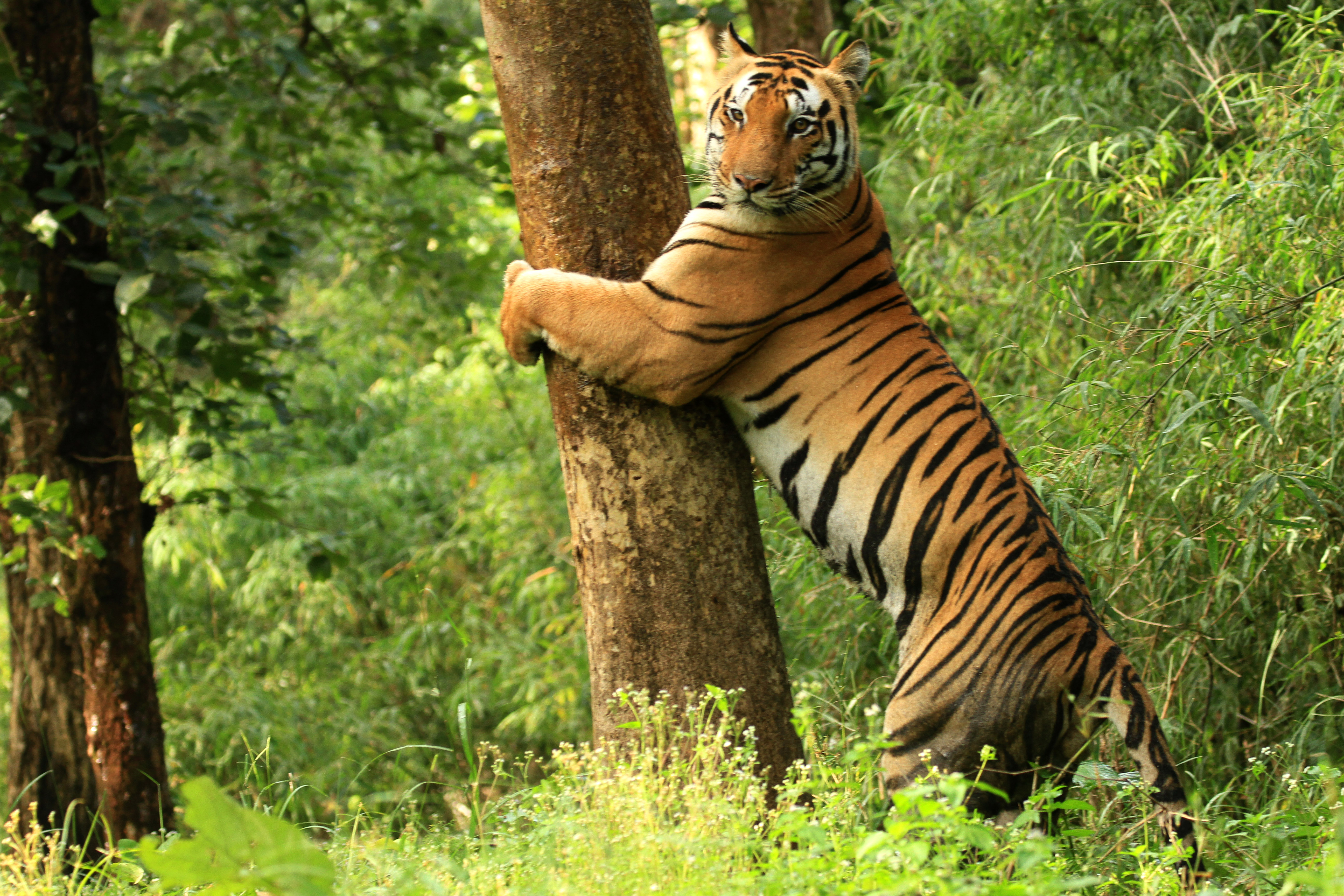
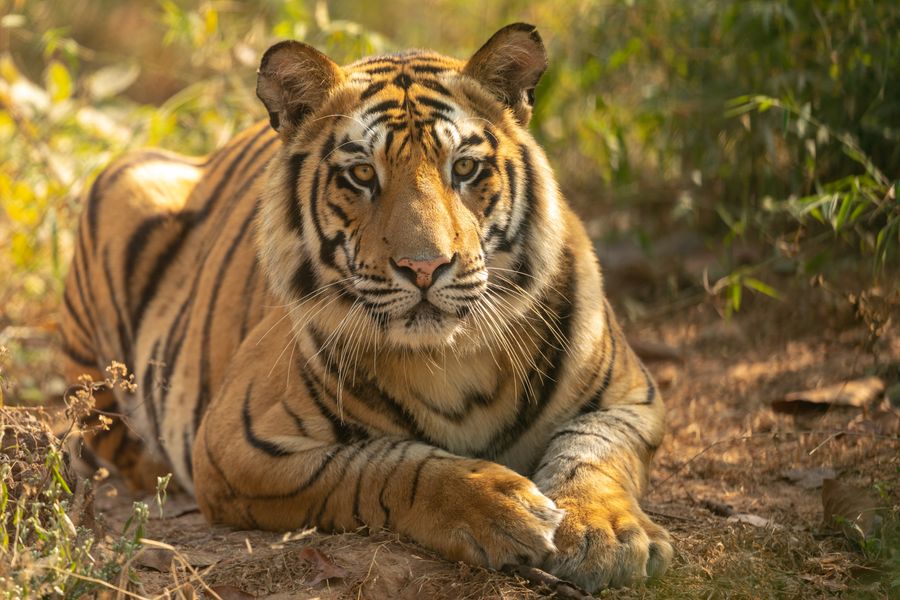
Five parks built around one animal that nearly disappeared and came back: Ranthambore, Kanha, Bandhavgarh and Tadoba for the Bengal tiger, and Kaziranga for the one-horned rhinoceros that shares the same conservation story.
Best season
November to April (parks close for monsoon, roughly July-Sept, exact dates vary by reserve)
Duration
10-14 days for the full route
Budget (approx)
₹60,000-1,50,000 per person — safari permits and lodges set the range
Along the way
Every stop, as it actually looks.


The route
5 stops, in order.
- 1
Rajasthan
Ranthambore National ParkTigers regularly seen against the walls of the park's own 10th-century fort.
- 2
Madhya Pradesh
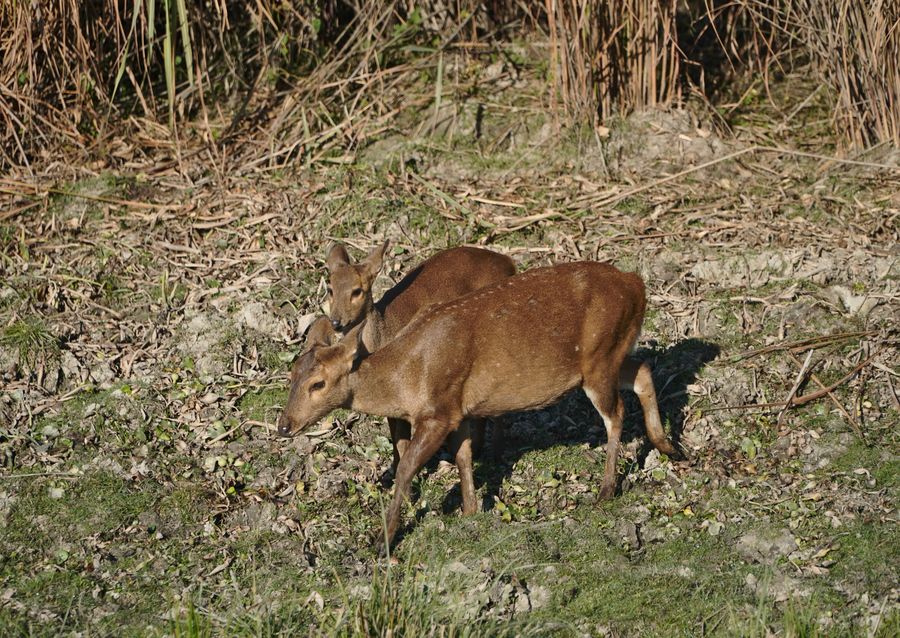
Kanha National ParkThe forest behind Kipling's Jungle Book, and the barasingha's recovery from under 50 animals.
- 3
- 4
- 5
Assam
Kaziranga National ParkBrahmaputra grassland holding around two-thirds of the world's wild one-horned rhinos.
Why these stops belong together
Project Tiger began in 1973 with nine reserves; these four are among the ones that made it work. Ranthambore's ruined 10th-century fort inside the park means tigers are regularly photographed against its walls and lake pavilions. Kanha's sal-and-bamboo forest is the landscape Kipling drew on for the Jungle Book, and it is also where the barasingha (swamp deer) was pulled back from under 50 animals to a stable population found nowhere else in the wild. Bandhavgarh has the highest recorded tiger density of any Indian reserve. Tadoba, Maharashtra's oldest and largest national park, is the newest of the four to reach this level of sighting reliability. Kaziranga is a change of species and habitat, Brahmaputra grassland and wetland holding around two-thirds of the world's wild one-horned rhinos, alongside wild water buffalo and elephant. Together they are India's two biggest wildlife-conservation comebacks on one route.