Browse by place
Browse by theme
Popular themes
Collection
Quick two-day hill and beach escapes built for two
30 places
Gujarat
A pristine Blue Flag-certified beach known for turquoise waters and fine white sand. It is ideal for swimming, scuba diving, and water sports.
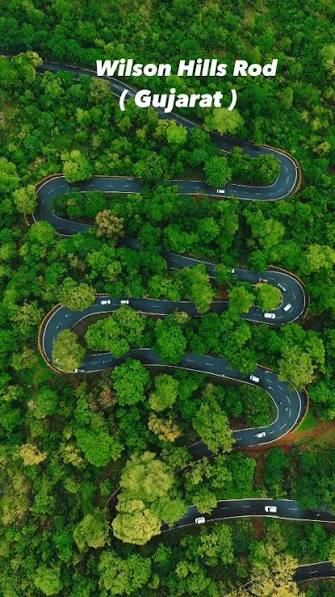
Wilson Hills is a small hill retreat in the Dharampur area of Valsad district, set around 2,500 feet up in the Pangarbari forests — one of the few hill spots in Gujarat from which, on a clear day, you can glimpse the distant Arabian Sea. Laid out as a summer retreat by the Dharampur ruler Vijaydevji and named after a Governor of Bombay, it is known for its winding ghat roads, cliffs and seasonal waterfalls.
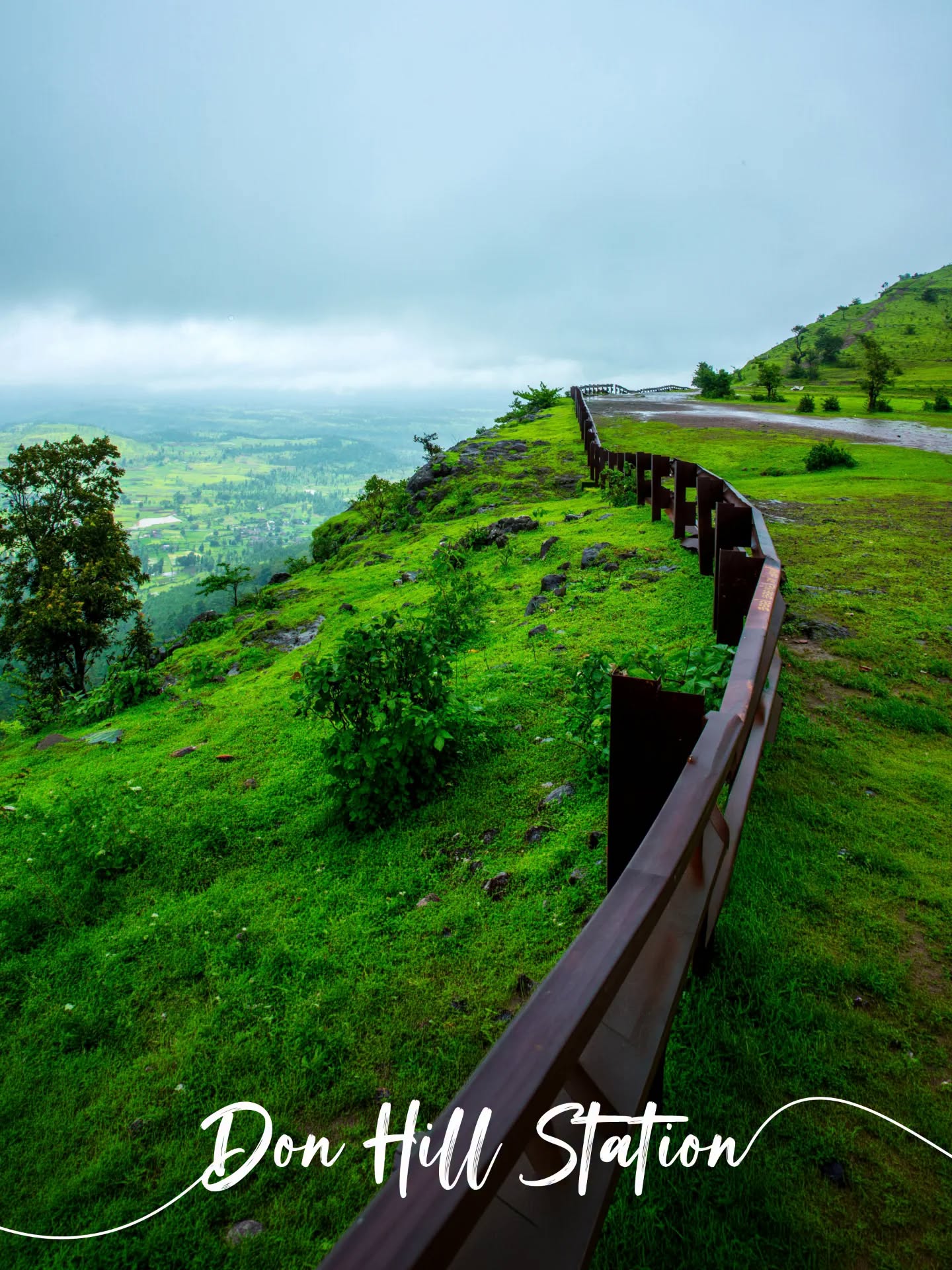
Don Hill Station is an emerging, hill village deep within the Sahyadri mountain range in the Dang district of South Gujarat. At about 1,000 metres it matches Saputara in elevation but remains entirely untouched by mass commercial commercialization. The destination is a rustic, eco-tourism landscape enveloped by dense bamboo forests, steep valley drop-offs, and small mountain streams. It is inhabited by a small indigenous tribal community, with an authentic rural escape characterized by clean mountain air and rich bio-diversity.
Saputara is Gujarat's only hill station, which makes it modest by Himalayan standards and genuinely useful if you are anywhere near Surat or Ahmedabad. It sits at about a thousand metres in the Dang forests near the Maharashtra border. The lake at the centre is the focus — boating, a promenade, and a ropeway up to the sunset point. None of it is dramatic. What is good is the drive in through the Sahyadri forest, the Gira waterfall after the monsoon, and the tribal museum, which is small and better than it needs to be. The monsoon and the weeks just after it are when this place justifies itself. The Saputara Monsoon Festival runs through those months, the forest is fully green and the waterfalls are actually falling. By March the hills have gone brown and the lake is low. Set your expectations to a cool weekend in the woods rather than a mountain trip, and it holds up. Two nights is right; a week would be too long. July to November.
Kerala
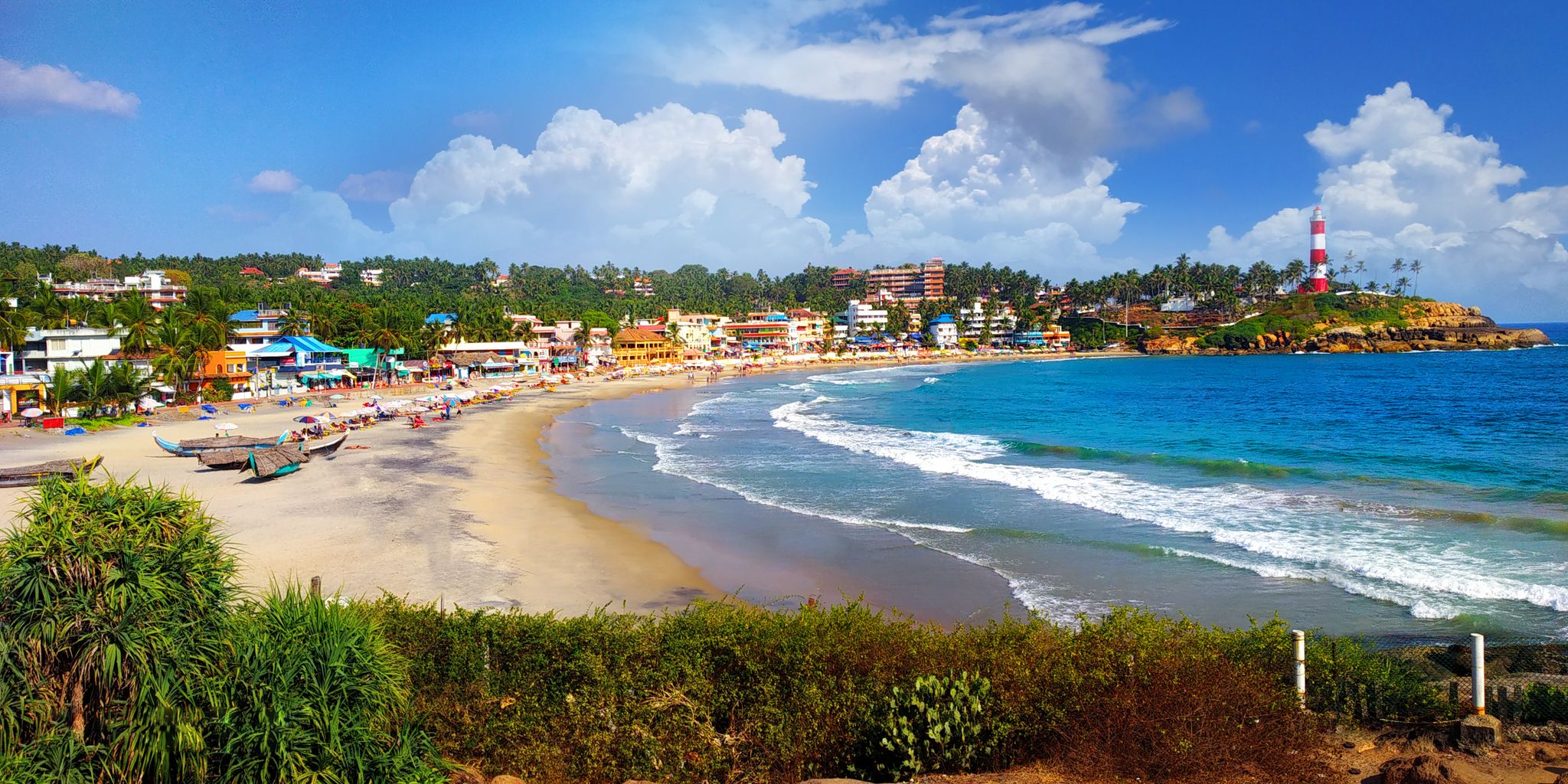
Kerala's most famous beach resort, Kovalam is known for its crescent Lighthouse Beach, ayurvedic spas, seafood shacks and gentle swimming bays near Trivandrum. The best months to visit are roughly November to February, when seas are calm and skies are clear; the monsoon (June to September) brings rough water and many beach shacks shut. Plan water sports and swimming for the dry winter window.
Andaman & Nicobar Islands
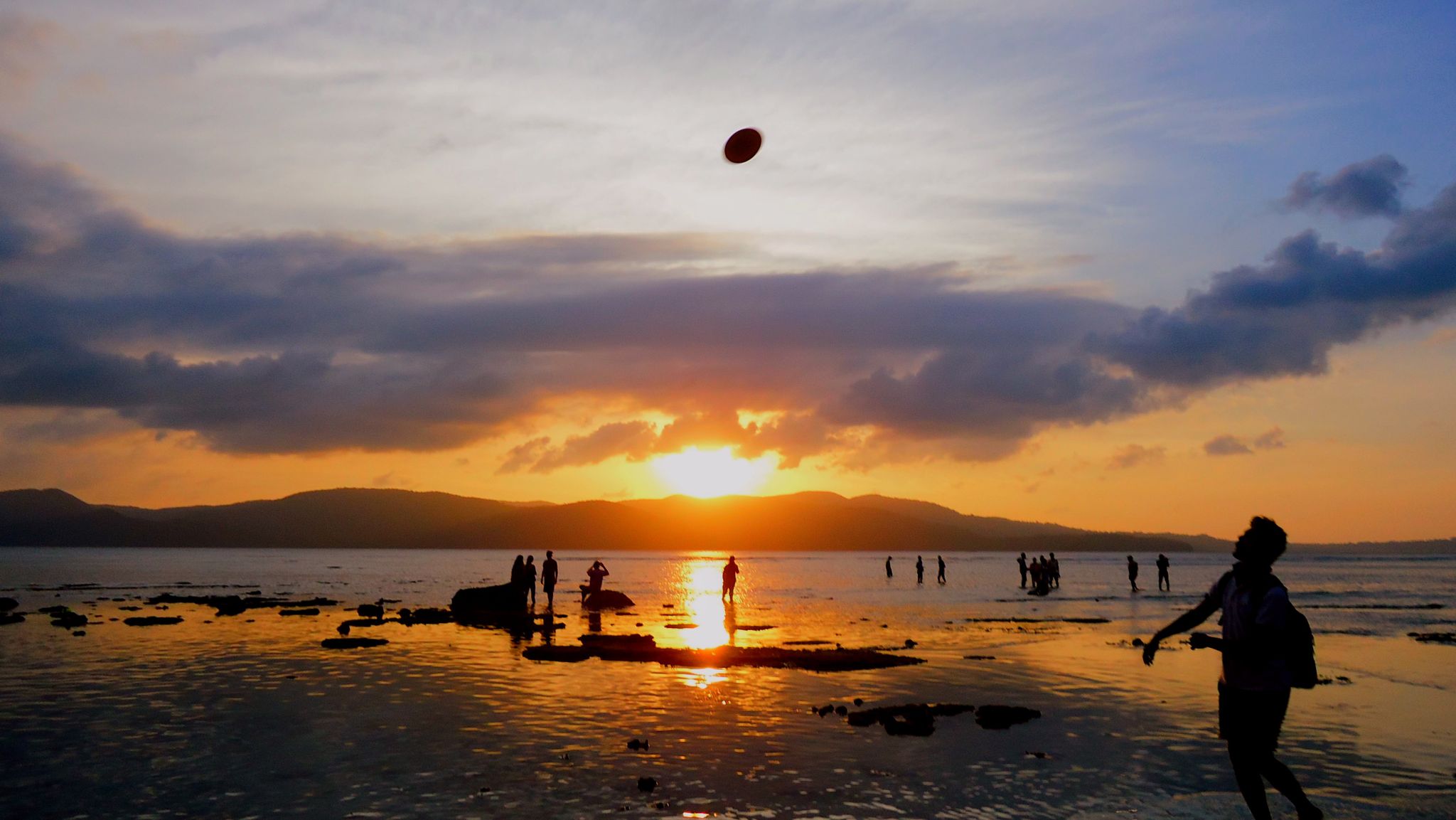
The closest beach to Port Blair, Corbyn's Cove is a coconut-palm-fringed crescent popular for a quick swim, water sports and easy island access. The best months to visit are roughly November to February, when seas are calm and skies are clear; the monsoon (June to September) brings rough water and many beach shacks shut. Plan water sports and swimming for the dry winter window.
Maharashtra
Mahabaleshwar is a high-altitude hill station at an elevation of 1,353 metres on an expansive plateau ridge of the Sahyadri mountain range in Satara district. Enveloped by dense evergreen forests, steep river canyons, and agricultural terraced fields, it stands as the highest and most expansive mountain resort in Maharashtra. The town features an old-world colonial character, distinct multi-tiered valley viewing points like Arthur's Seat, and the scenic artificial Venna Lake. The surrounding fertile soils are internationally famous for high-yield commercial fruit farming, producing nearly 85 percent of the country's strawberries.
Jammu & Kashmir
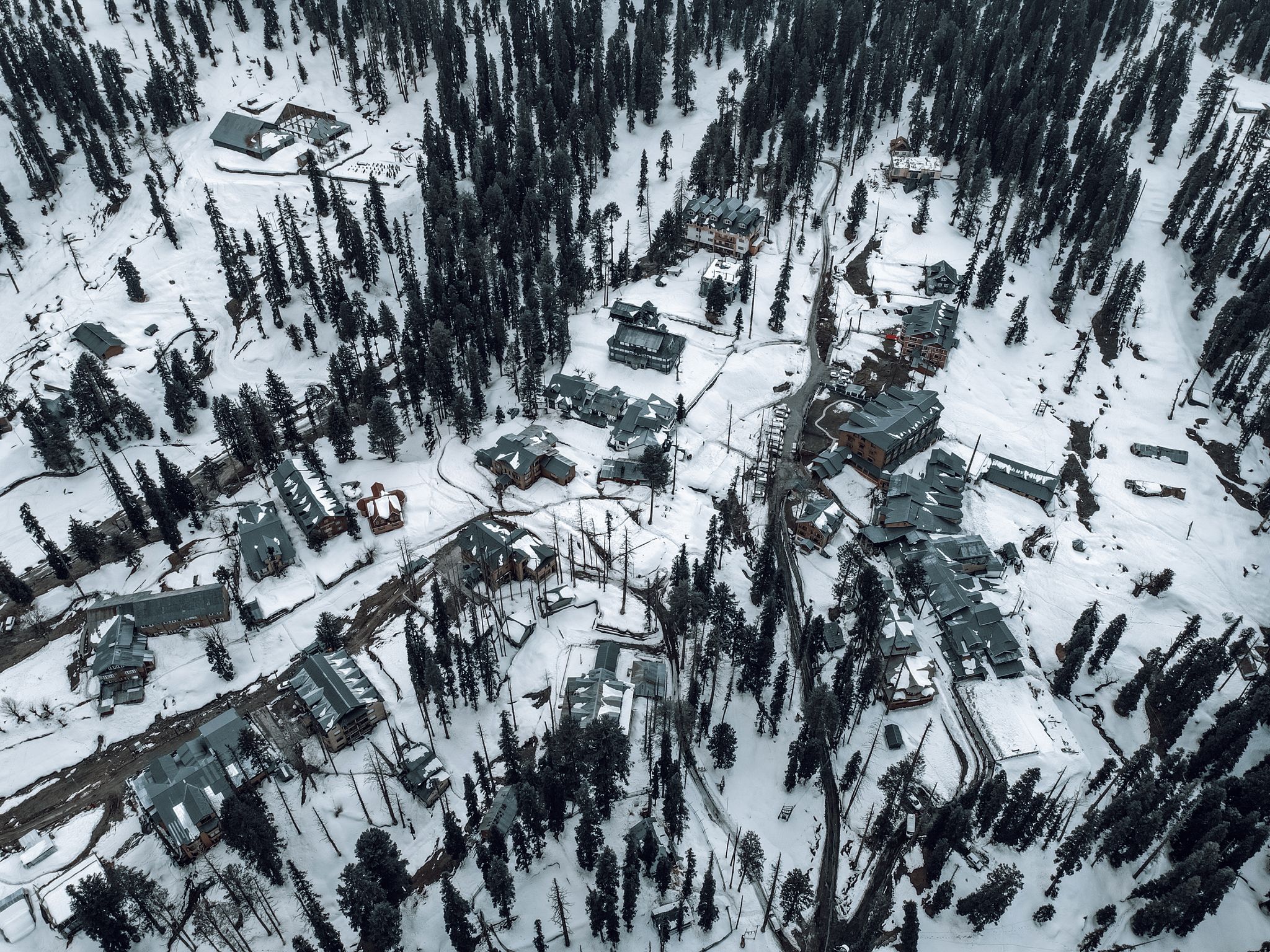
Patnitop is a plateau at 2,024 metres above the Chenab on the Jammu–Srinagar highway, and almost everyone who stops there was on the way somewhere else. As a stop it works well. Deodar forest, open meadows and easy walking — this is not a trekking destination and does not pretend to be. The Skyview gondola at Sanasar runs 2.8 kilometres across the gorge and is the one thing here worth a detour on its own. Snow falls for a few weeks in January and February and the place fills up for it. The rest of winter it is cold and empty. March to June and September to November. Avoid the monsoon, when the highway below is prone to landslides and closures.
On Vypin Island near Kochi, Cherai is a long golden beach where the sea meets backwaters, known for dolphin sightings, calm swimming and seafood. The best months to visit are roughly November to February, when seas are calm and skies are clear; the monsoon (June to September) brings rough water and many beach shacks shut. Plan water sports and swimming for the dry winter window.
Goa
Palolem is a crescent-shaped natural bay located in the Canacona region of South Goa, known for calm water, dramatic rocky headlands, and a dense fringe of leaning coconut palms, it presents a relaxed, alternative to the commercialized hubs of the north. The unique topology of the bay ensures minimal ocean currents. The shoreline features temporary eco-friendly wooden stilt cottages and slow-paced beach shacks that are dismantled entirely before the monsoon, preserving a village-like coastal environment.
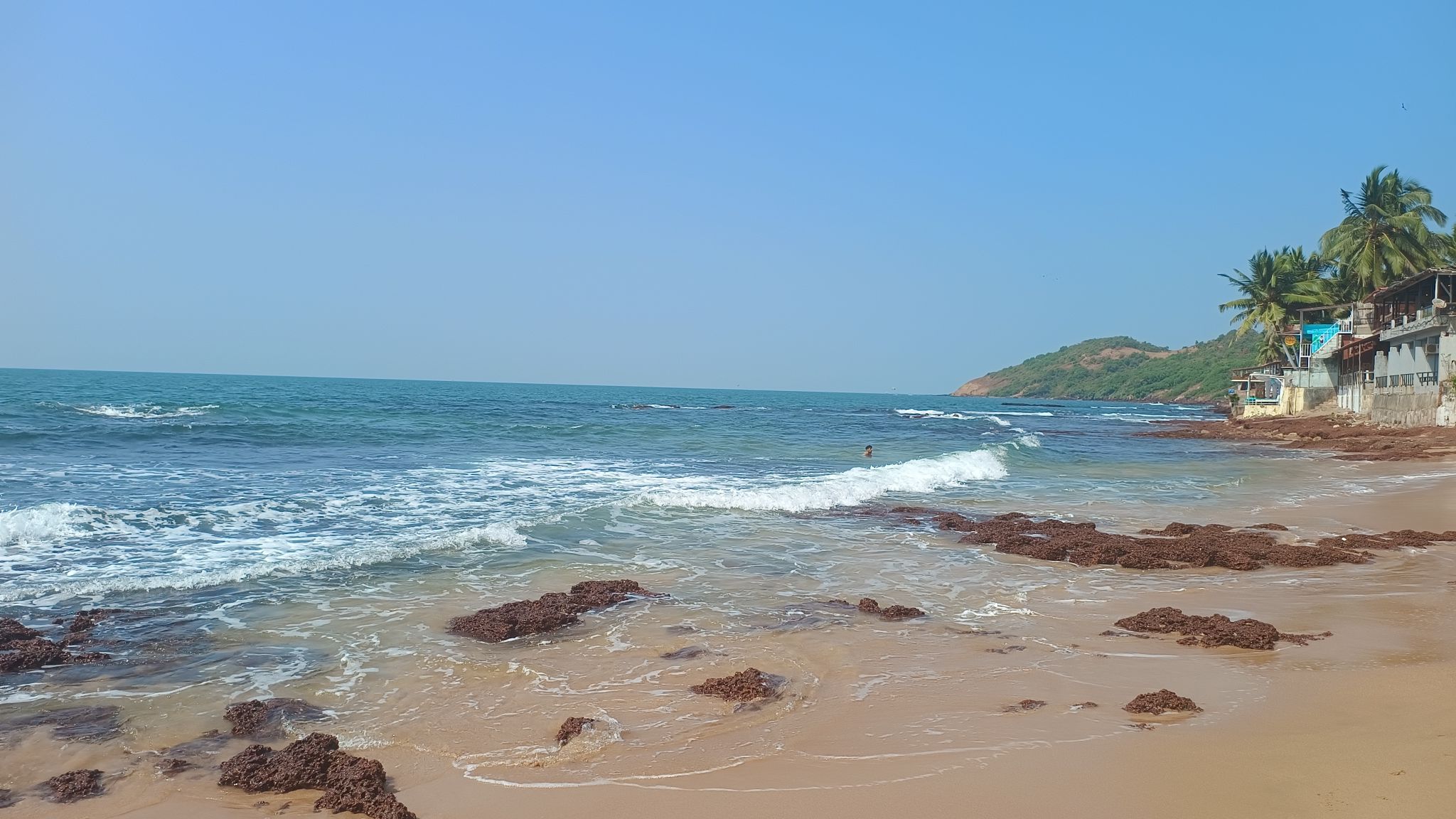
A North Goa icon of the hippie era, Anjuna is famous for its rocky-edged golden sands, the legendary Wednesday flea market, trance parties and cliffside cafes. The best months to visit are roughly November to February, when seas are calm and skies are clear; the monsoon (June to September) brings rough water and many beach shacks shut. Plan water sports and swimming for the dry winter window.
Andhra Pradesh
A golden crescent near Visakhapatnam backed by green hills, Rishikonda is Andhra's water-sports beach with surfing, jet-skiing and clean sands. The best months to visit are roughly November to February, when seas are calm and skies are clear; the monsoon (June to September) brings rough water and many beach shacks shut. Plan water sports and swimming for the dry winter window.
Madhya Pradesh
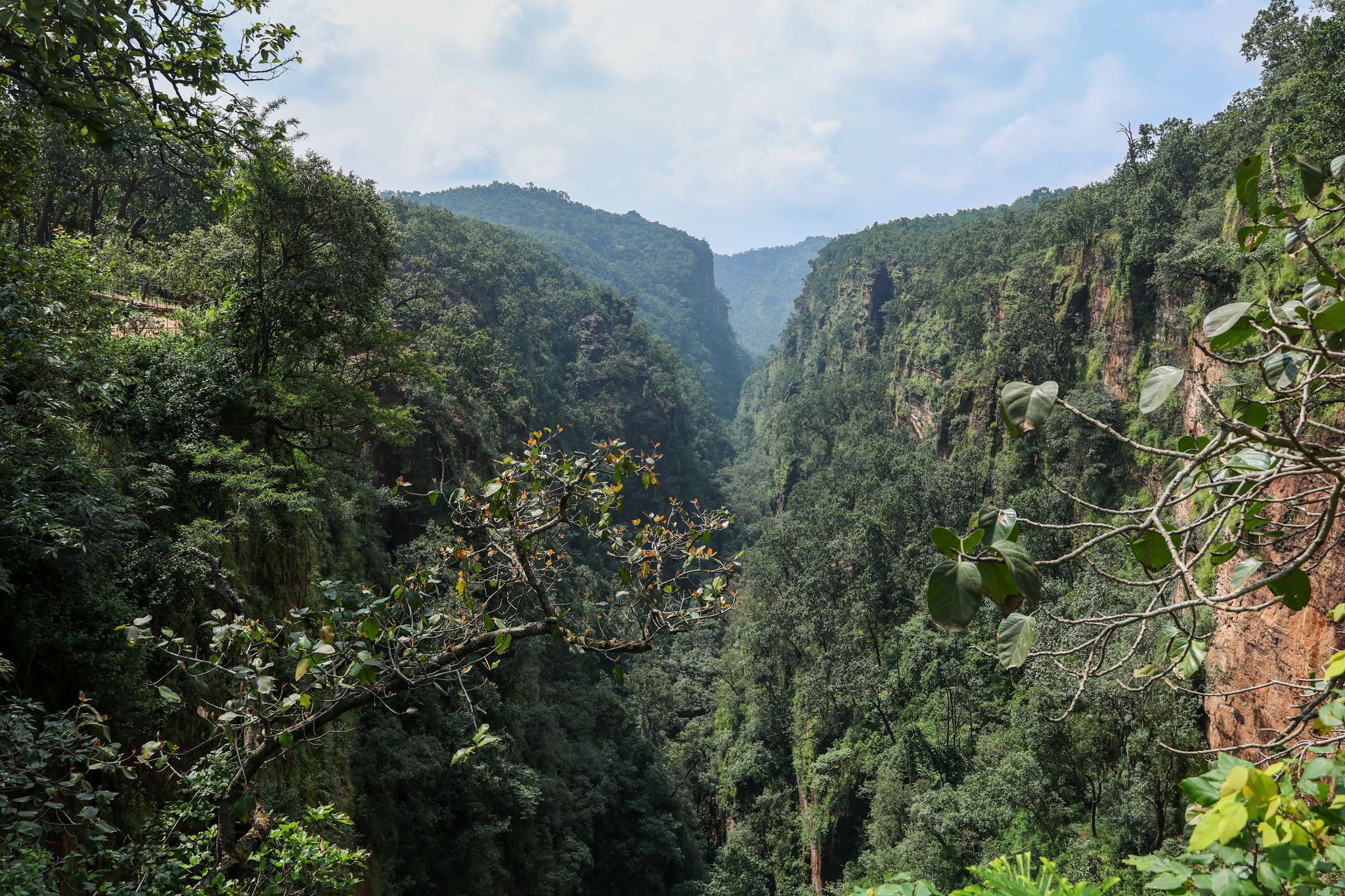
Pachmarhi is Madhya Pradesh's only hill station, a green plateau in the Satpura range dotted with waterfalls, caves, viewpoints and ancient rock-shelter paintings, set within a UNESCO biosphere reserve.
Himachal Pradesh
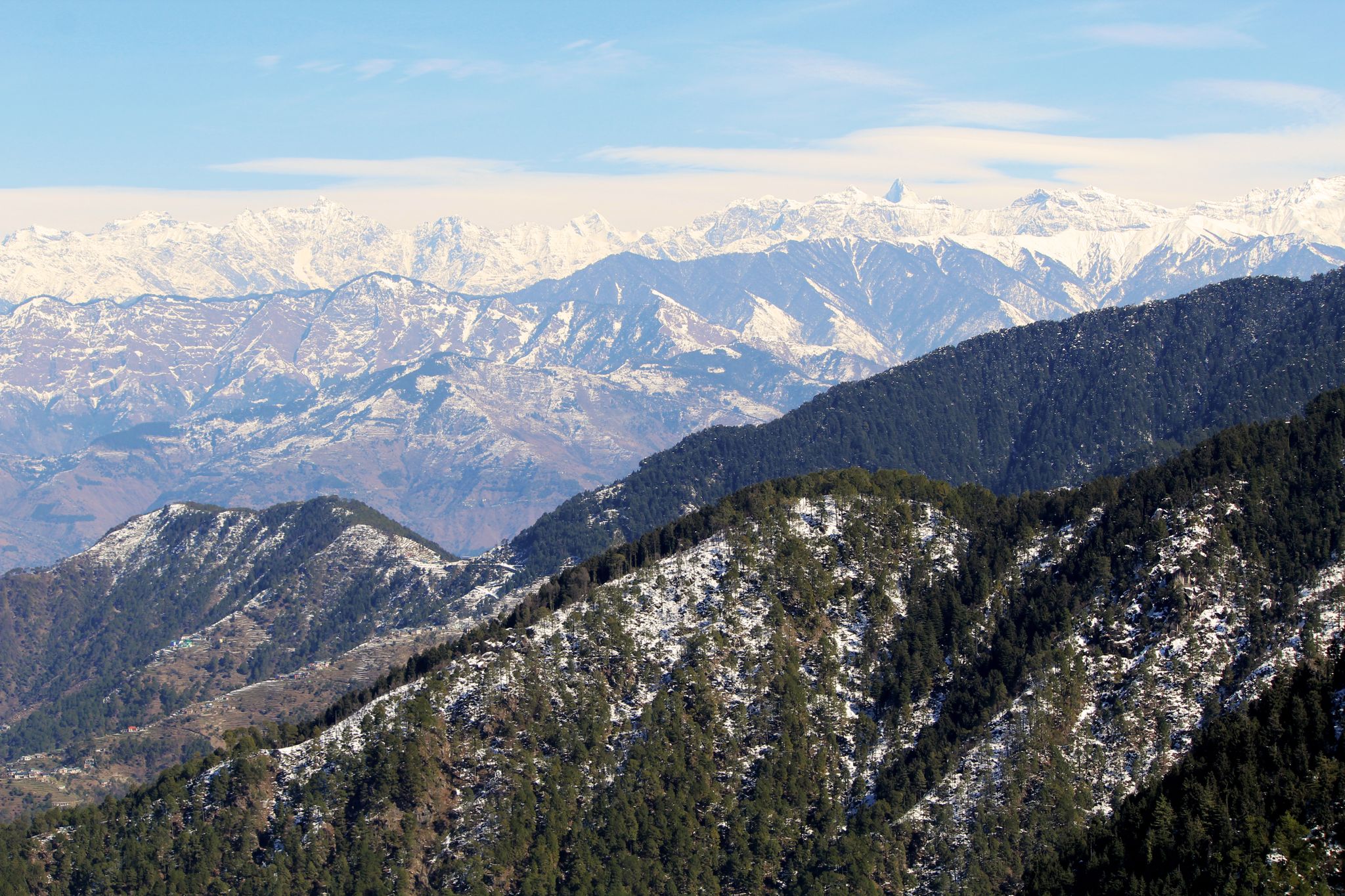
Dalhousie is a peaceful colonial-era hill station built across five distinct hills of the Dhauladhar mountain range, sitting at an altitude of 1,970 metres. Established in the mid-19th century under the British Raj, the town has systematically preserved its old-world charm, characterized by wide pine-fringed walking loops, traditional stone mansions, and vintage Scottish architecture. Tourism in Dalhousie centers around the historic public squares of Gandhi Chowk and Subhash Chowk, linked by wooded walking paths like Garam Sadak. The town is the quiet alternative to the commercial hill stations, with views of the winding Ravi River and the distant snow-covered peaks of the inner Himalayas.
Uttarakhand
Nainital is a charming Kumaon hill station built around the emerald, eye-shaped Naini Lake. With its boating, the crowded Mall Road, cable car to Snow View and surrounding viewpoints, it is one of North India's most beloved lake resorts.
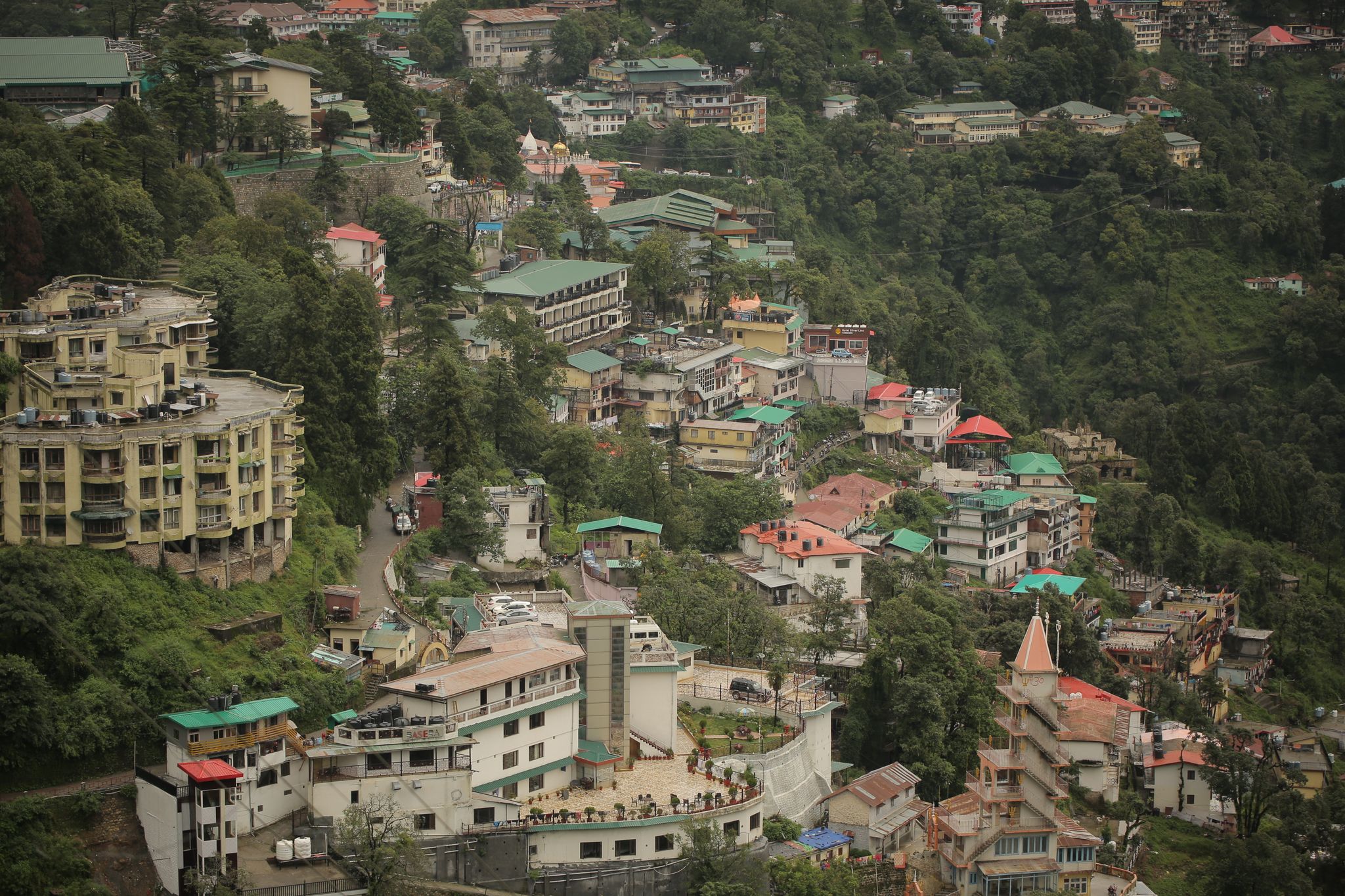
Shimla, the former summer capital of British India, is one of the country's most popular hill stations. Its colonial Mall Road, the Ridge, Christ Church and the UNESCO-listed Kalka-Shimla toy train make it a perennial favourite in the Himalayan foothills.
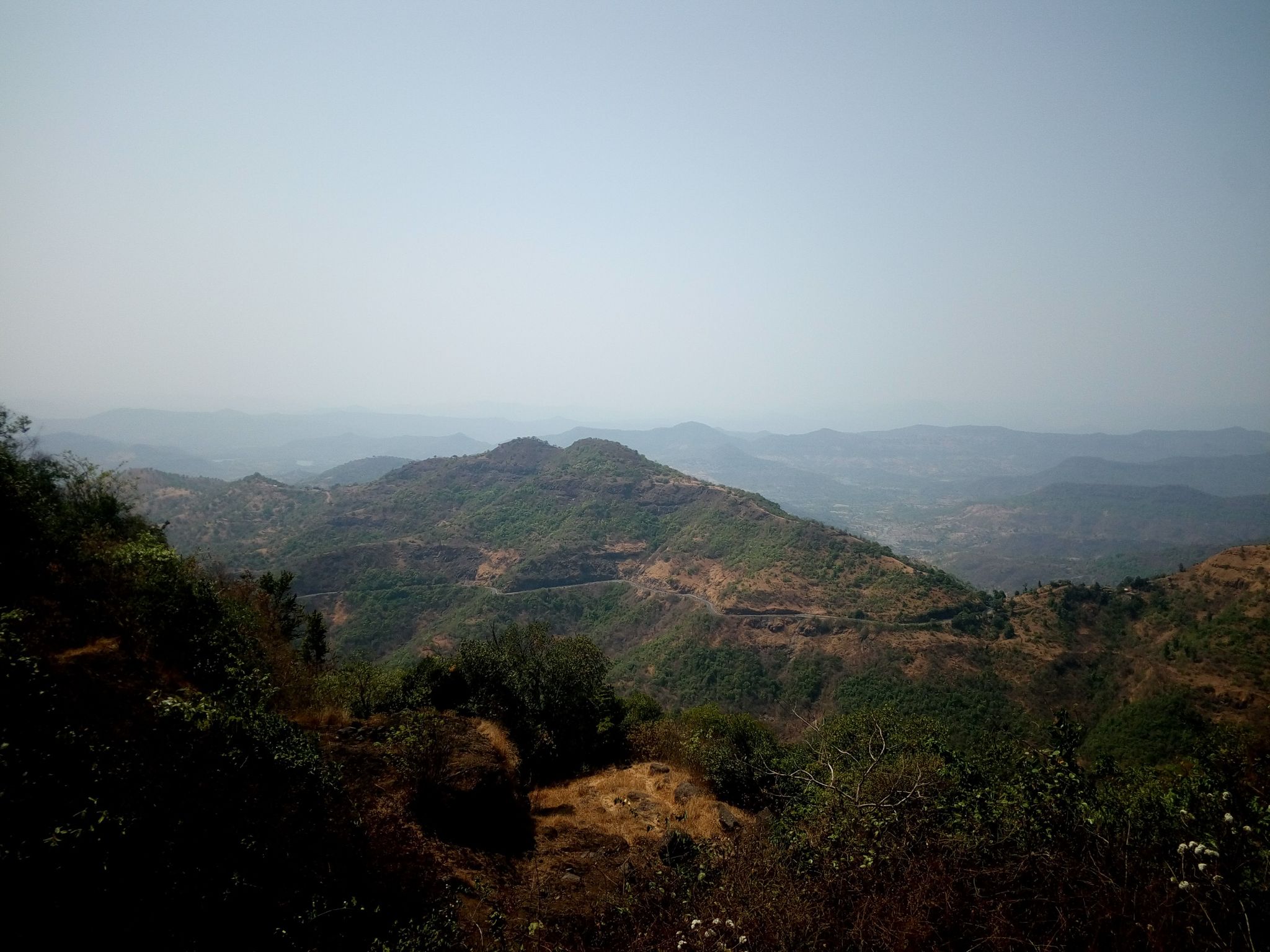
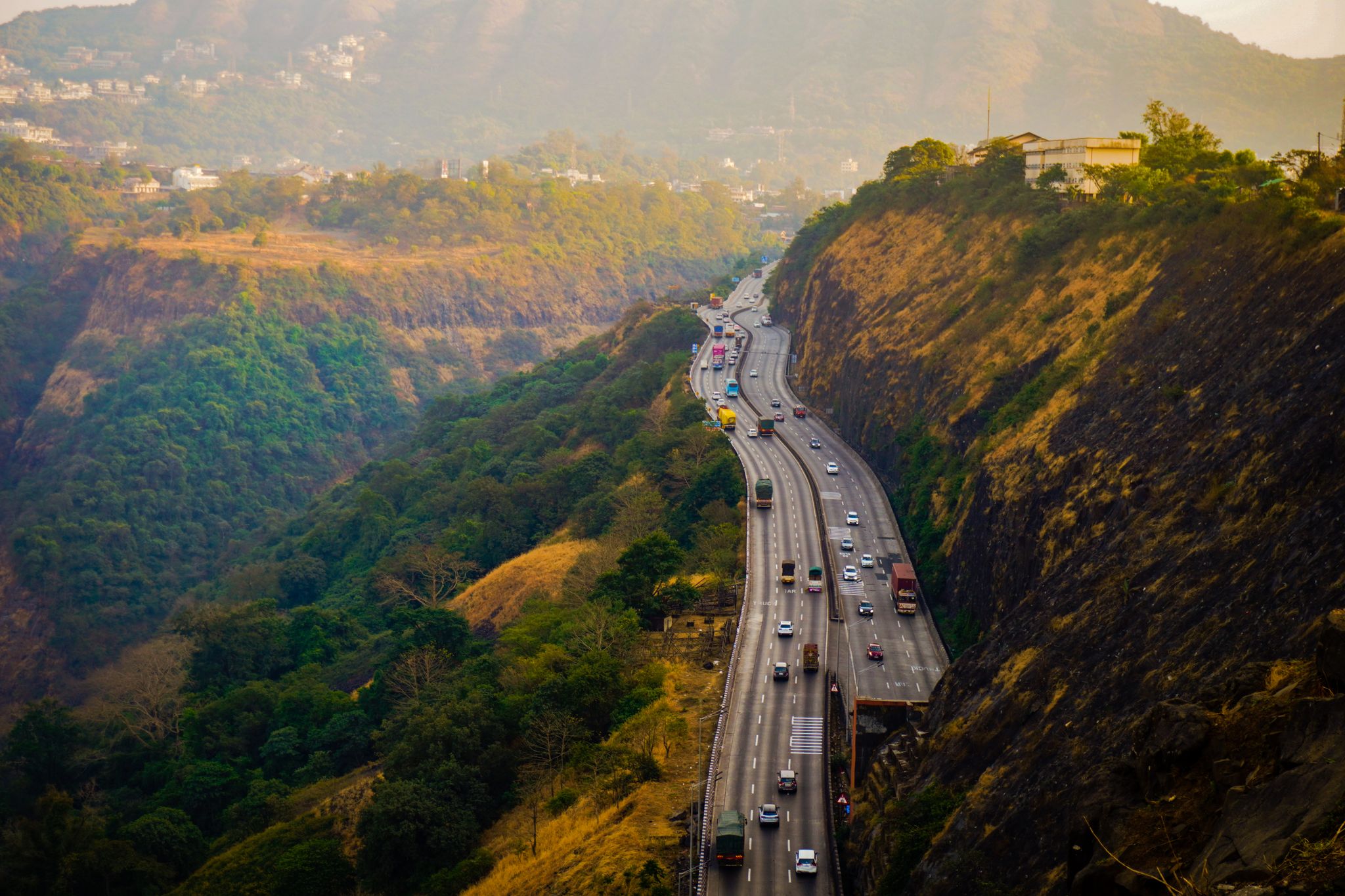
Lonavala and Khandala form a unified, highly popular twin-hill station resort enclave at an elevation of 622 metres on the sweeping Sahyadri ridges of the Western Ghats. Located along the high-traffic corridor linking Mumbai and Pune, the region is globally known for its dramatic mountain geography, comprising near-vertical cliff drops, deep green valleys, and seasonal waterfalls. During the monsoon season, the entire plateau transforms into a romantic landscape completely wrapped in thick, low-flying clouds and rolling mists. The towns act as a primary leisure playground for urban vacationers, with a distinct mixture of historic British sanatorium layouts, modern luxury villa developments, complex ancient Buddhist rock-cut caves like Karla and Bhaja, and local traditional confectionery markets.
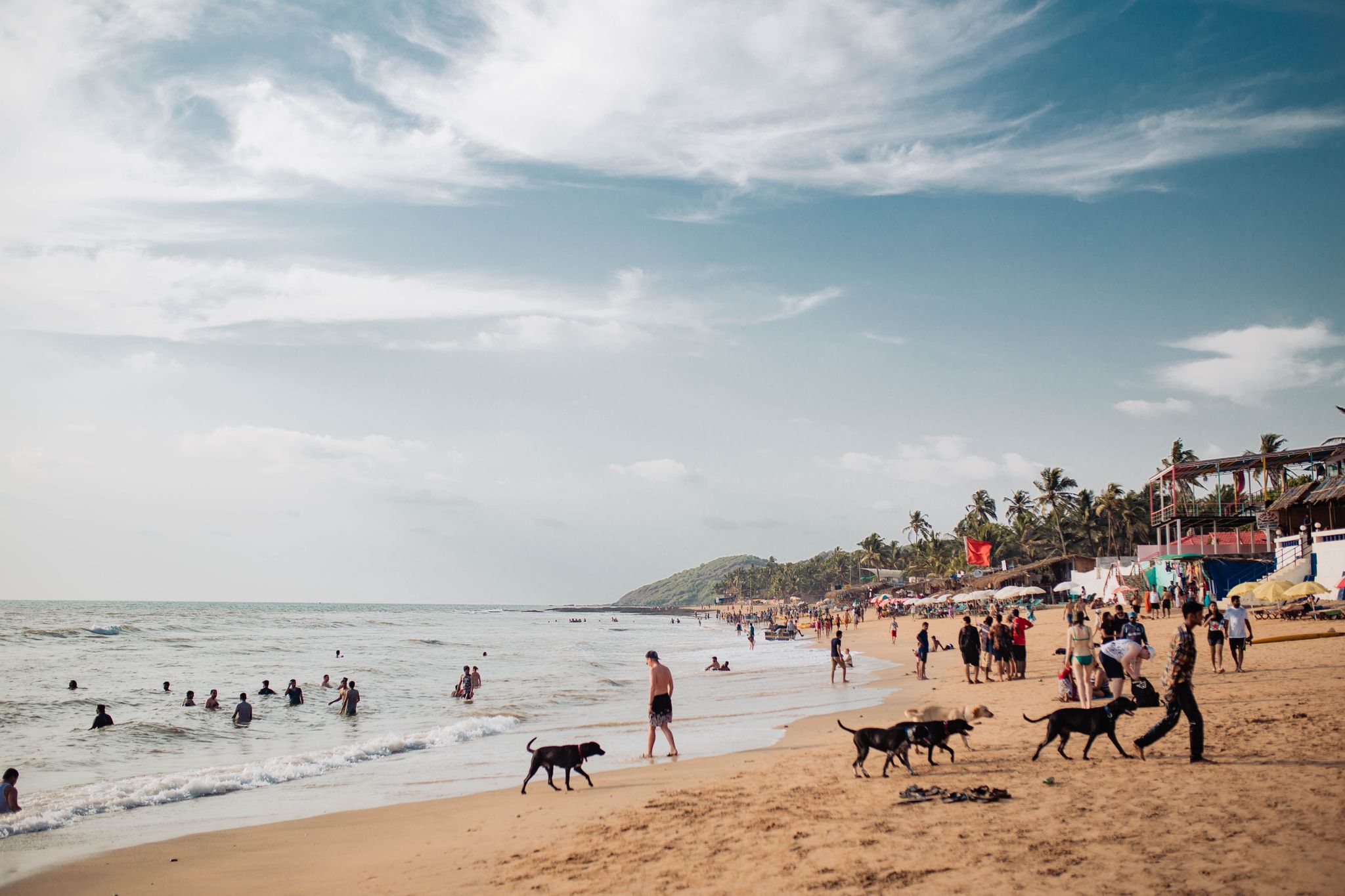
Baga and Calangute form the high-energy, commercial beach core of North Goa, stretching along a continuous golden sand coastline on the Arabian Sea. Characterized by a coastal ecosystem, this region transitions from sun-drenched daytime water sports hubs into an epicenter of nightlife and entertainment. The shoreline is densely lined with dynamic open-air food shacks, water sports operators, and international music bars. Calangute beach functions as a prime retail and family leisure avenue, while Baga creek marks the launching pad for late-night clubbing and beachside parties.
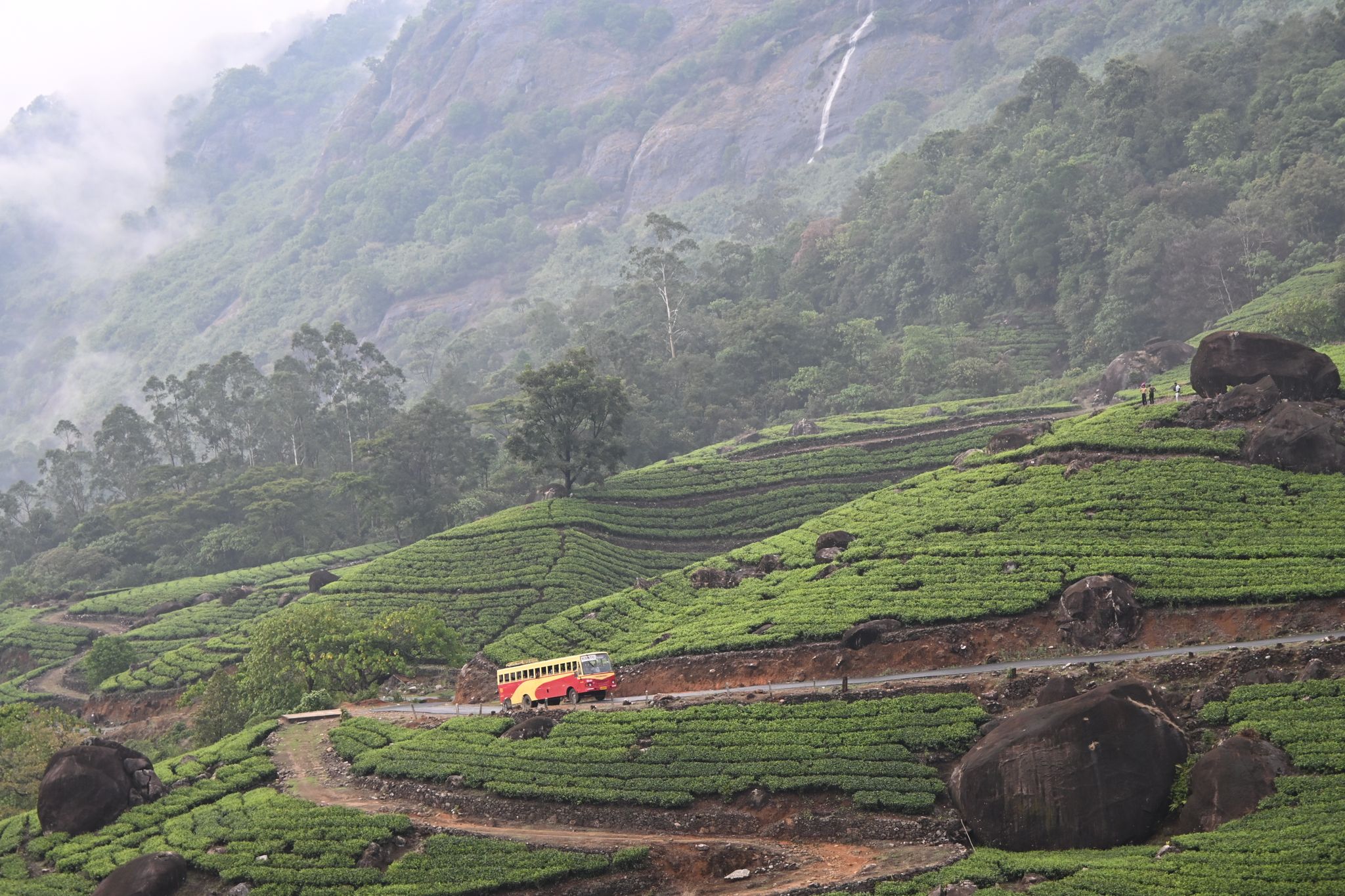
Munnar is a high-altitude hill station at about 1,600 metres in the Western Ghats of Idukki district. Positioned at the scenic confluence of three mountain streams (Mudrapuzha, Nallathanni, and Kundala), the region is visually dominated by an uninterrupted, rolling green carpet of commercial organic tea plantations. The town and its surrounding valleys feature landscape contours lined with dense shola forests, aromatic spice farms, and high-altitude mist-covered grass hills. The commercial core functions as a gateway base for exploring deep wildlife corridors, including the protected cliffs of Eravikulam National Park and the towering peak of Anamudi, the highest summit in South India.
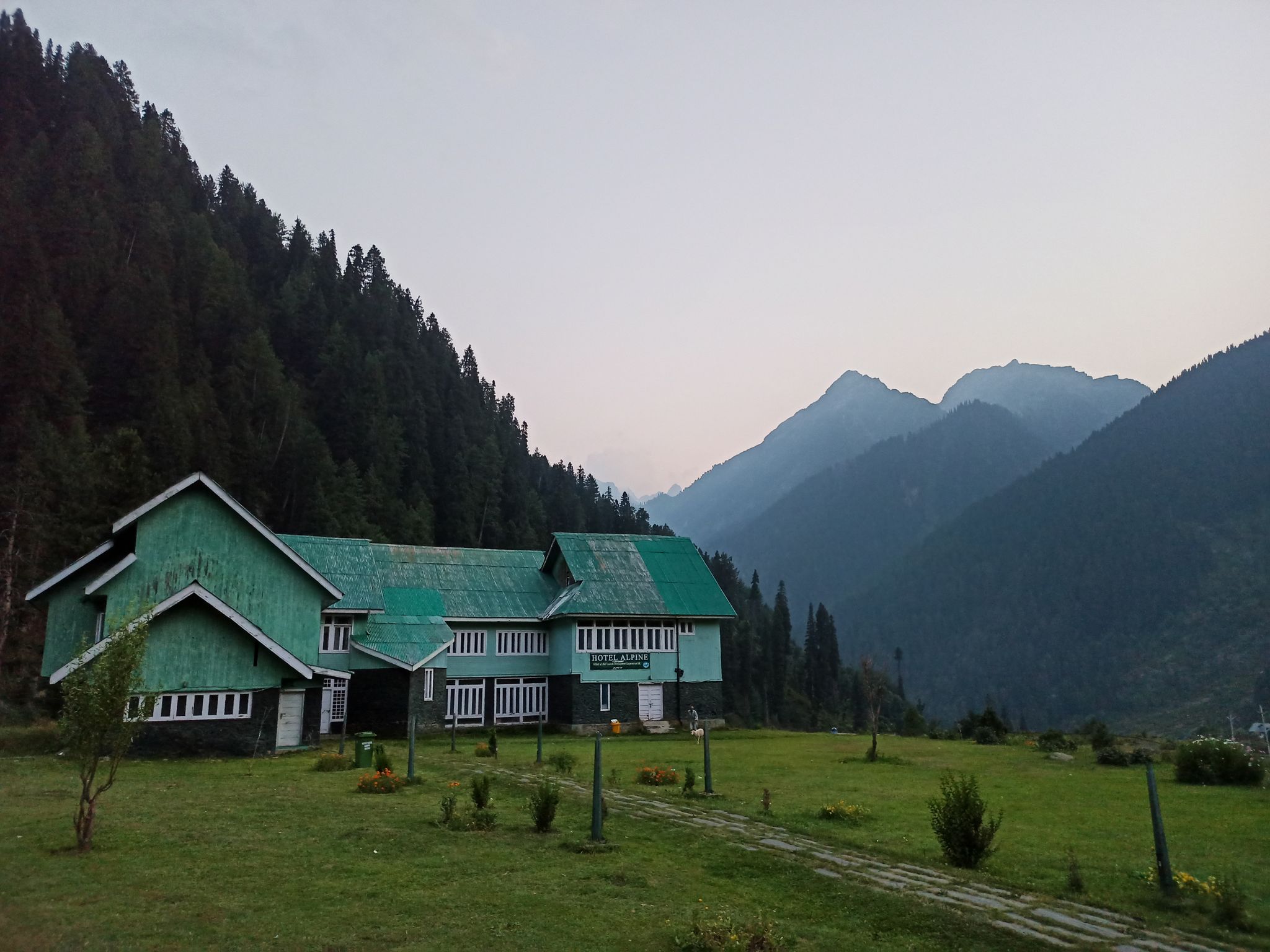
Pahalgam is a valley settlement at 2,130 metres in the Anantnag district of Kashmir. Positioned at the scenic junction of the fast-flowing Lidder River and the Sheshnag stream, it stands surrounded by steep hills carpeted with dense, old-growth pine and cedar forests. It suits anglers, walkers and people who camp. The commercial heart of the valley transitions smoothly into alpine glades like Baisaran, popularly nicknamed 'Mini Switzerland' due to its vast undulating pine-ringed meadows. Pahalgam serves as a paramount transit launchpad for the annual holy pilgrimage of the Amarnath Yatra, with the traditional tracking route commencing directly from Chandanwari village upstream.
Tamil Nadu
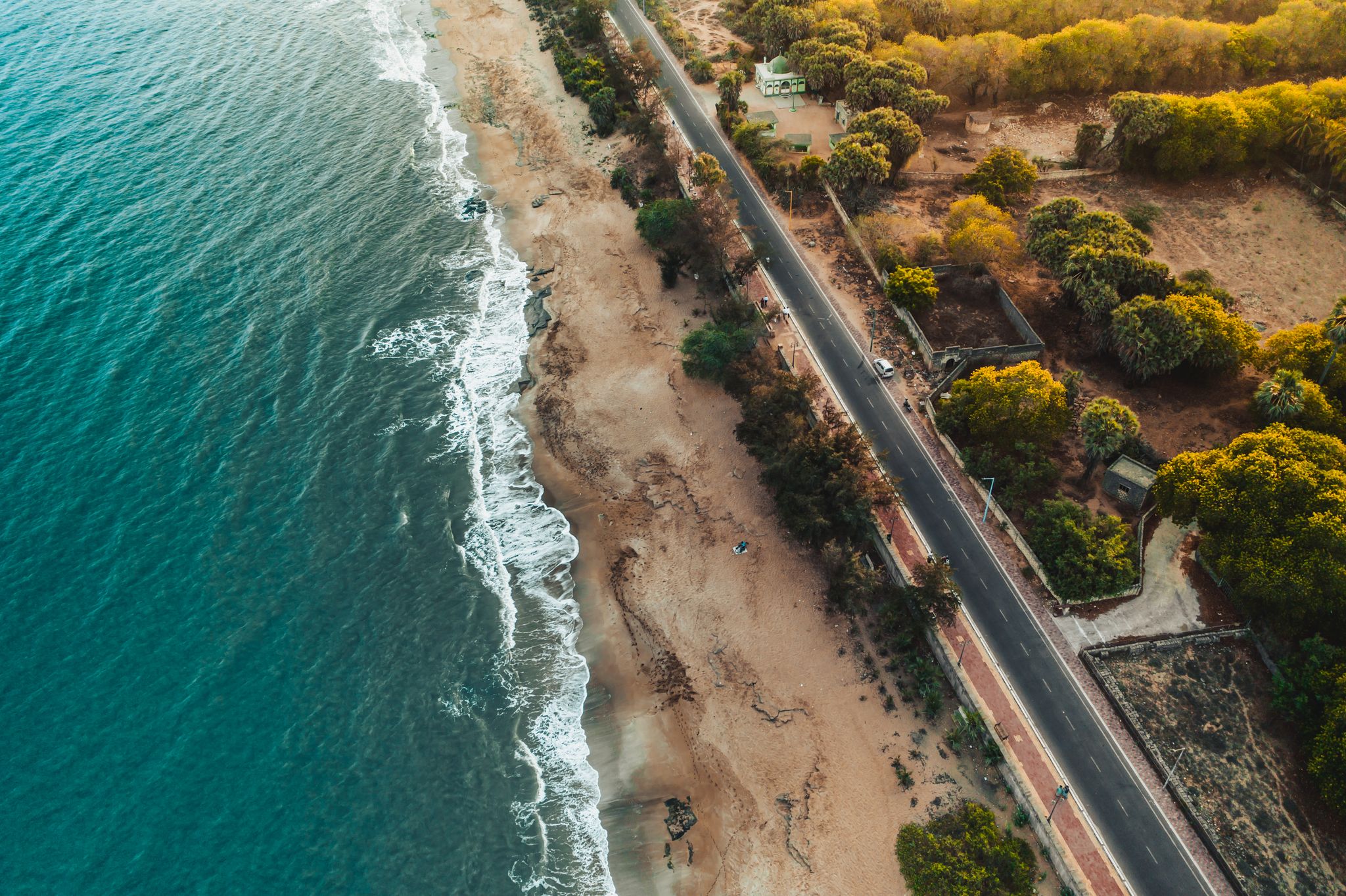
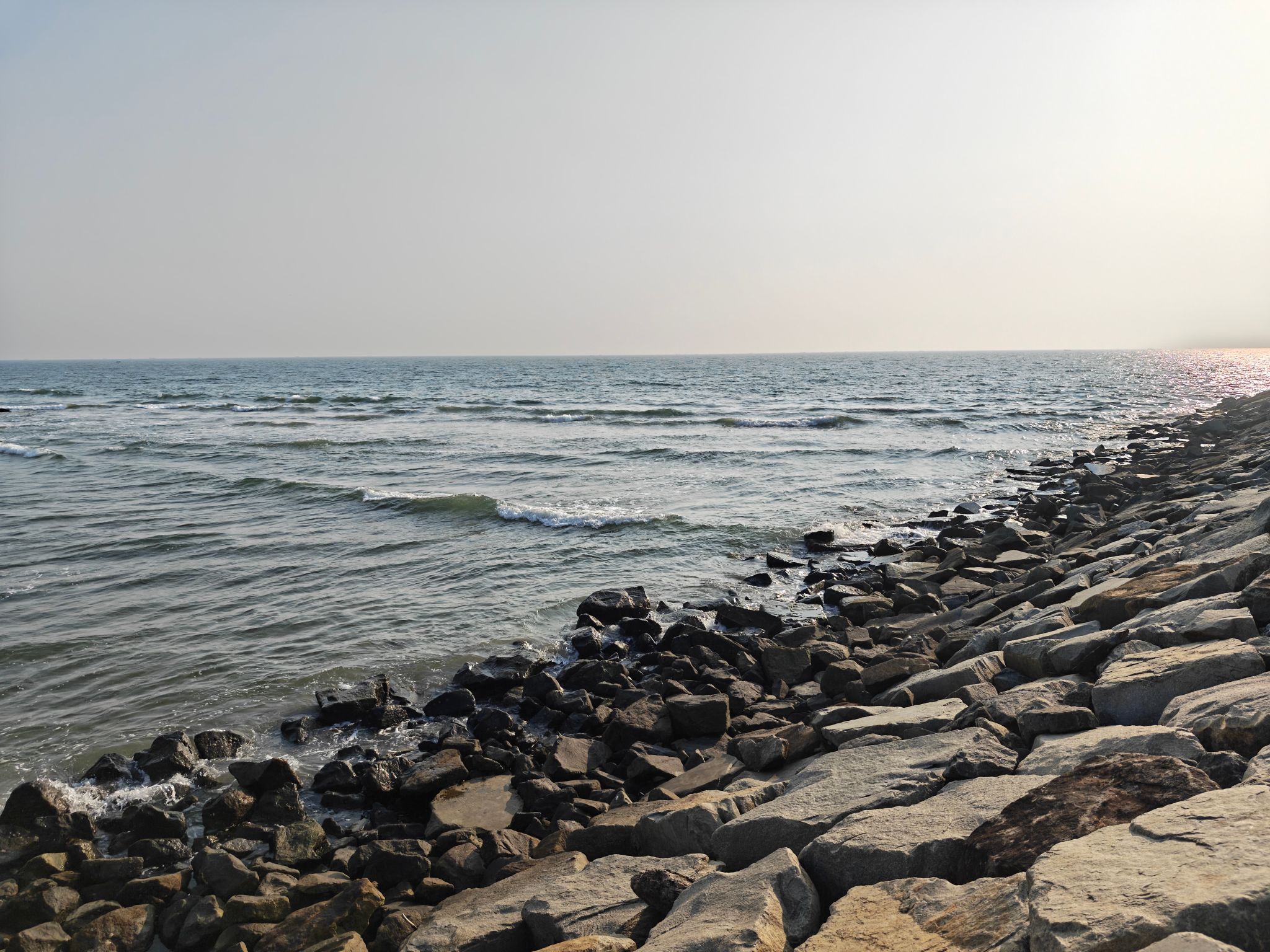
One of the world's longest urban beaches, Chennai's Marina is a vast city shoreline of promenades, statues, sunrise crowds and street food along the Bay of Bengal. The best months to visit are roughly November to February, when seas are calm and skies are clear; the monsoon (June to September) brings rough water and many beach shacks shut. Plan water sports and swimming for the dry winter window.
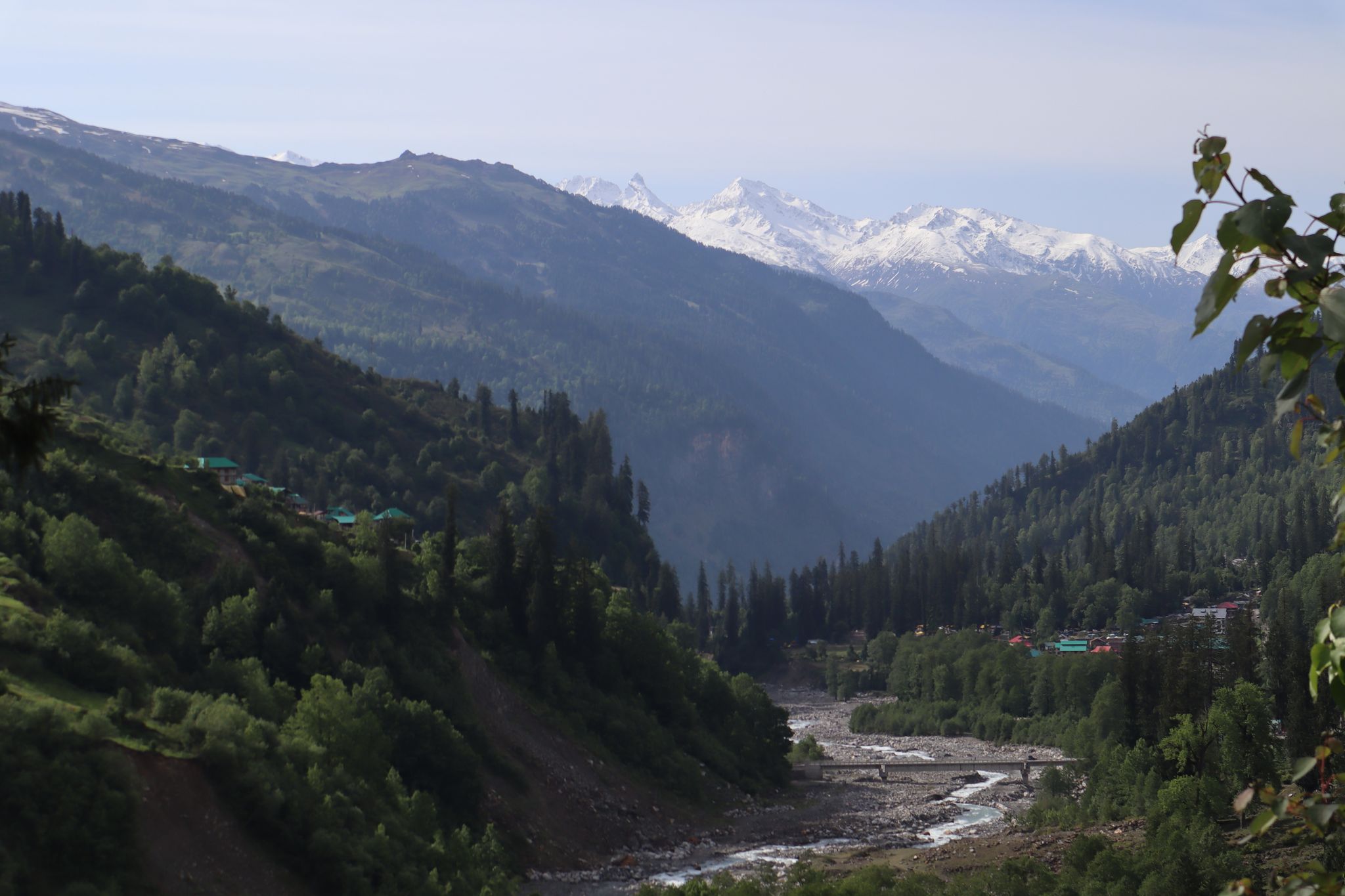
Manali is really two places, and knowing which one you booked matters more than anything else about the trip. Mall Road Manali is a busy Indian hill-station town — traffic, hotels, shops selling the same shawls. Old Manali, up the hill across the river, is quieter, low-rise and where most people actually want to be. Vashisht, on the other side, has the hot springs and a similar feel. Hadimba temple, in the deodar forest above town, is four hundred years old with a tiered wooden roof and is worth the twenty minutes. Solang and Rohtang are the standard day trips and both are congested in season; Rohtang needs a permit, which is capped daily and must be arranged in advance. The Atal Tunnel changed the geography here. Lahaul, which used to be a full expedition, is now well under an hour away, and going through it for the day gives you a completely different landscape. May and June are the peak and are crowded. October and November are clear, cold and quiet. Do not expect snow in town below about December, whatever the photographs suggest.
Daman & Diu
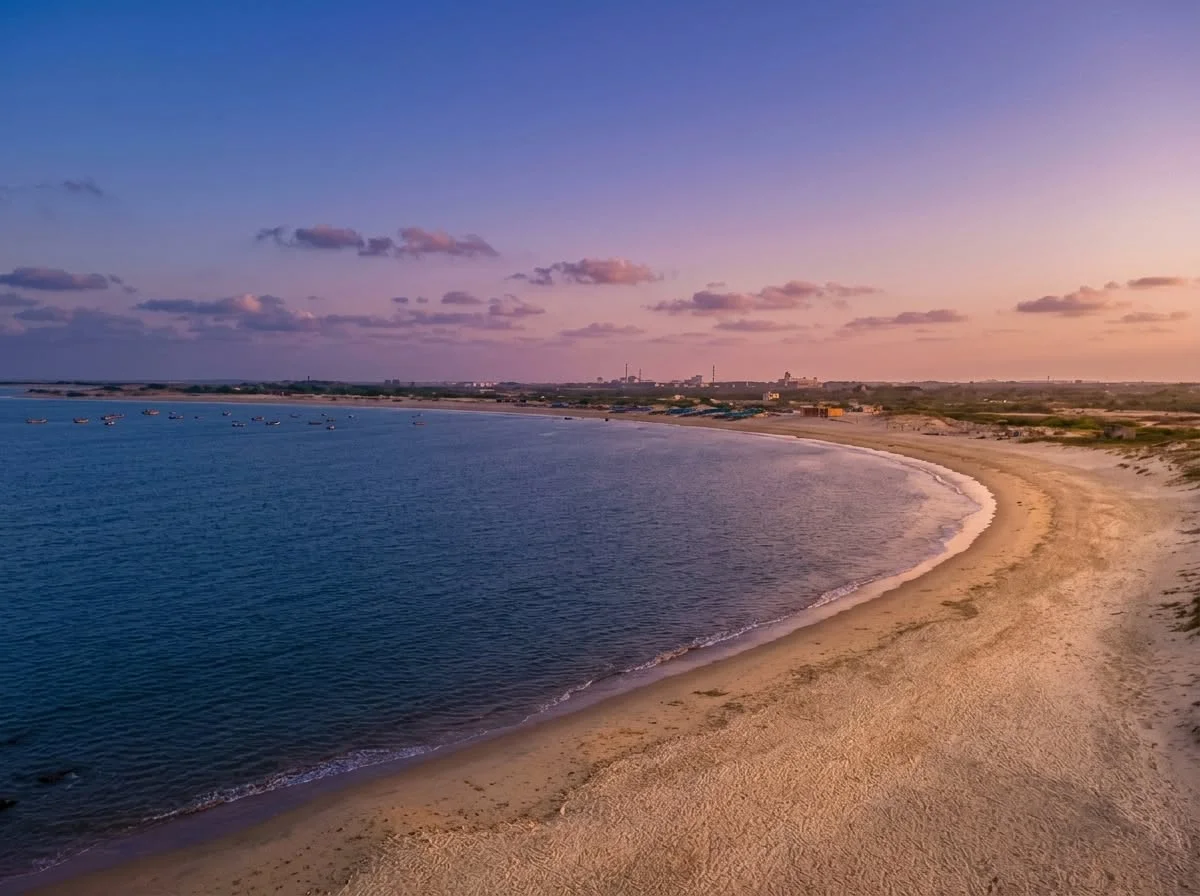
A famous horseshoe-shaped beach lined with rare Hoka palm trees, offering calm, safe swimming waters.
India's longest drive-in beach near Kannur, Muzhappilangad lets you drive along 4 km of firm golden sand, with calm swimming bays and paragliding. The best months to visit are roughly November to February, when seas are calm and skies are clear; the monsoon (June to September) brings rough water and many beach shacks shut. Plan water sports and swimming for the dry winter window.
Khajjiar is a high plateau meadow at an elevation of 1,920 metres inside the Kalatop Khajjiar Sanctuary perimeter. Celebrated widely for its striking topological resemblance to Swiss landscapes, it comprises a vast, saucer-shaped emerald glade enveloped by ancient, towering deodar and pine forests. At the heart of this green meadow lies the small, natural Khajjiar Lake, featuring a unique floating island of tangled grass roots. It suits families and anyone wanting an hour of quiet away from the bigger hill stations.
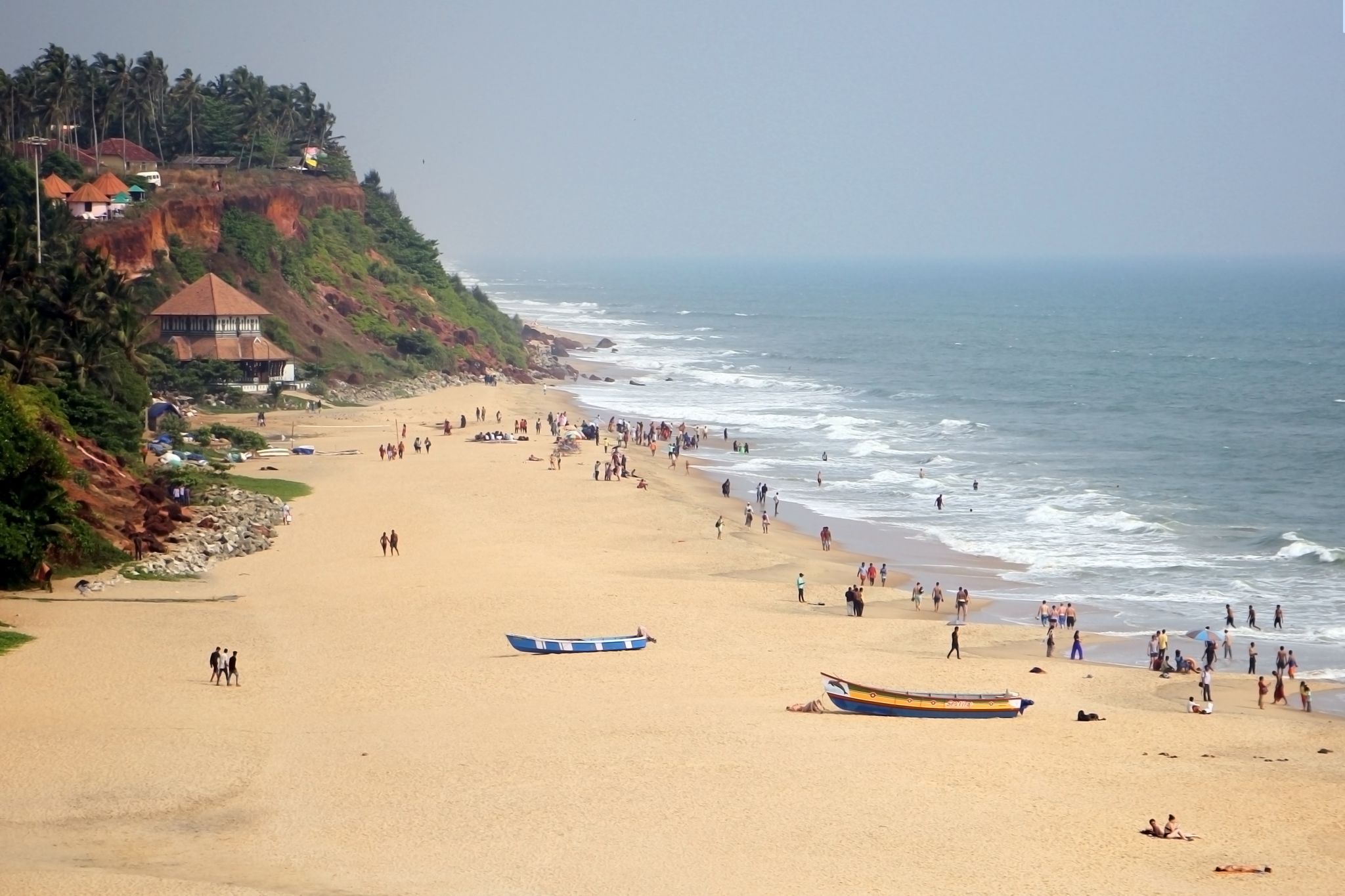
Varkala is a coastal town unlike anywhere else on India's shoreline in the Thiruvananthapuram district of southern Kerala. Unlike the flat sandy shorelines standard across most of India's coast, Varkala is famous for its unique geological clifftops, massive near-vertical red laterite cliffs that rise sharply right next to the breaking waves of the Arabian Sea. The commercial heart of the beach spreads along the paved North Cliff edge, packed with bohemian open-air cafes, international seafood grills, yoga centers, and local handicraft stores. Down below, the beach front opens into wide sandy bays popular for swimming, surfing, and sunbathing, while natural mineral springs cascade down the laterite walls.
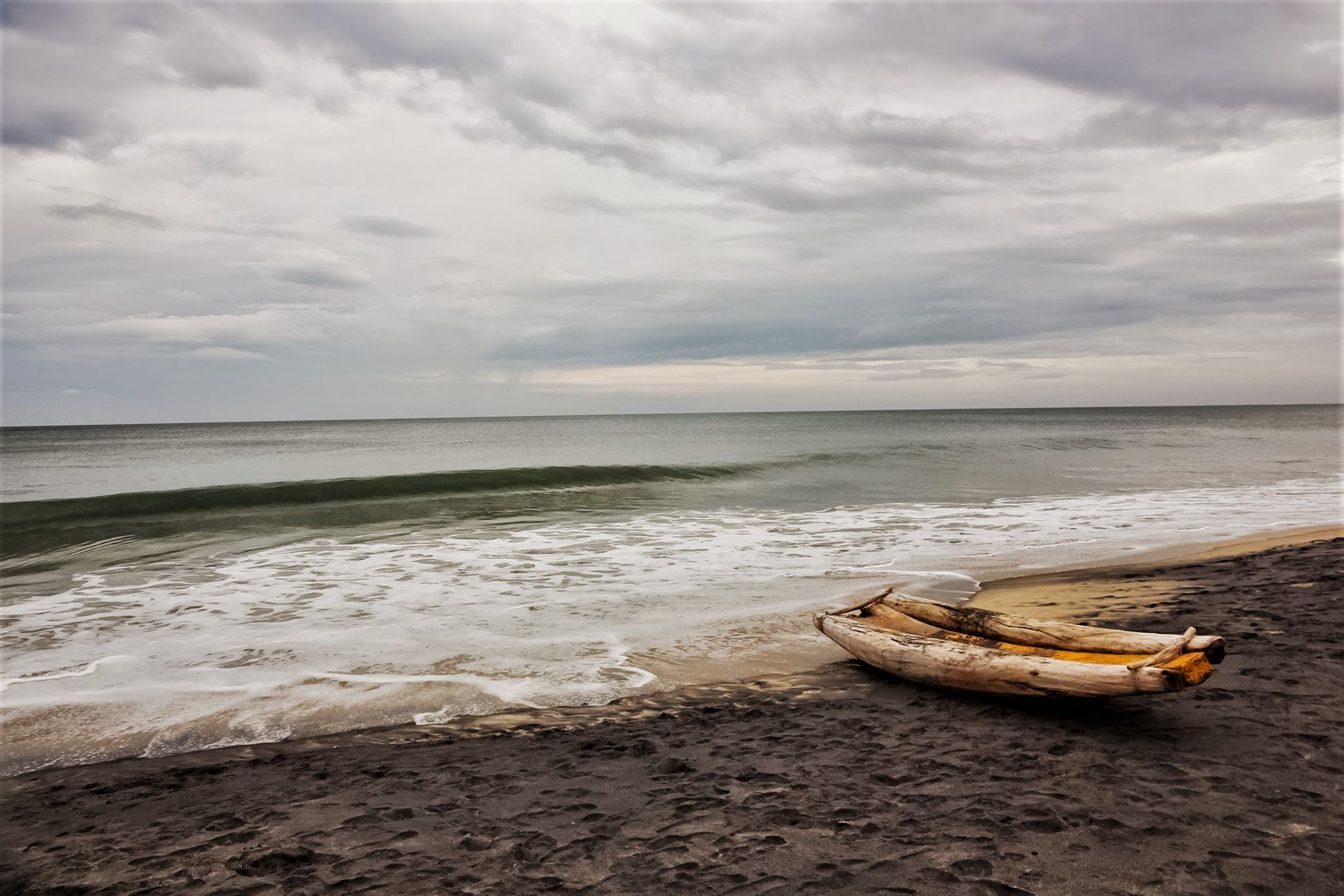
Located right in the heart of Alibaug town, this historic beach sits just 95 km from Mumbai by road, or a quick 45-minute ferry ride from Gateway of India to Mandwa jetty. Alibaug Beach is famous for its dark magnetic sand and its direct views of the offshore Kolaba Fort. During low tide, the ocean waters recede completely, allowing visitors to walk or take horse-carts across the wet sea bed to the fort.
Puducherry
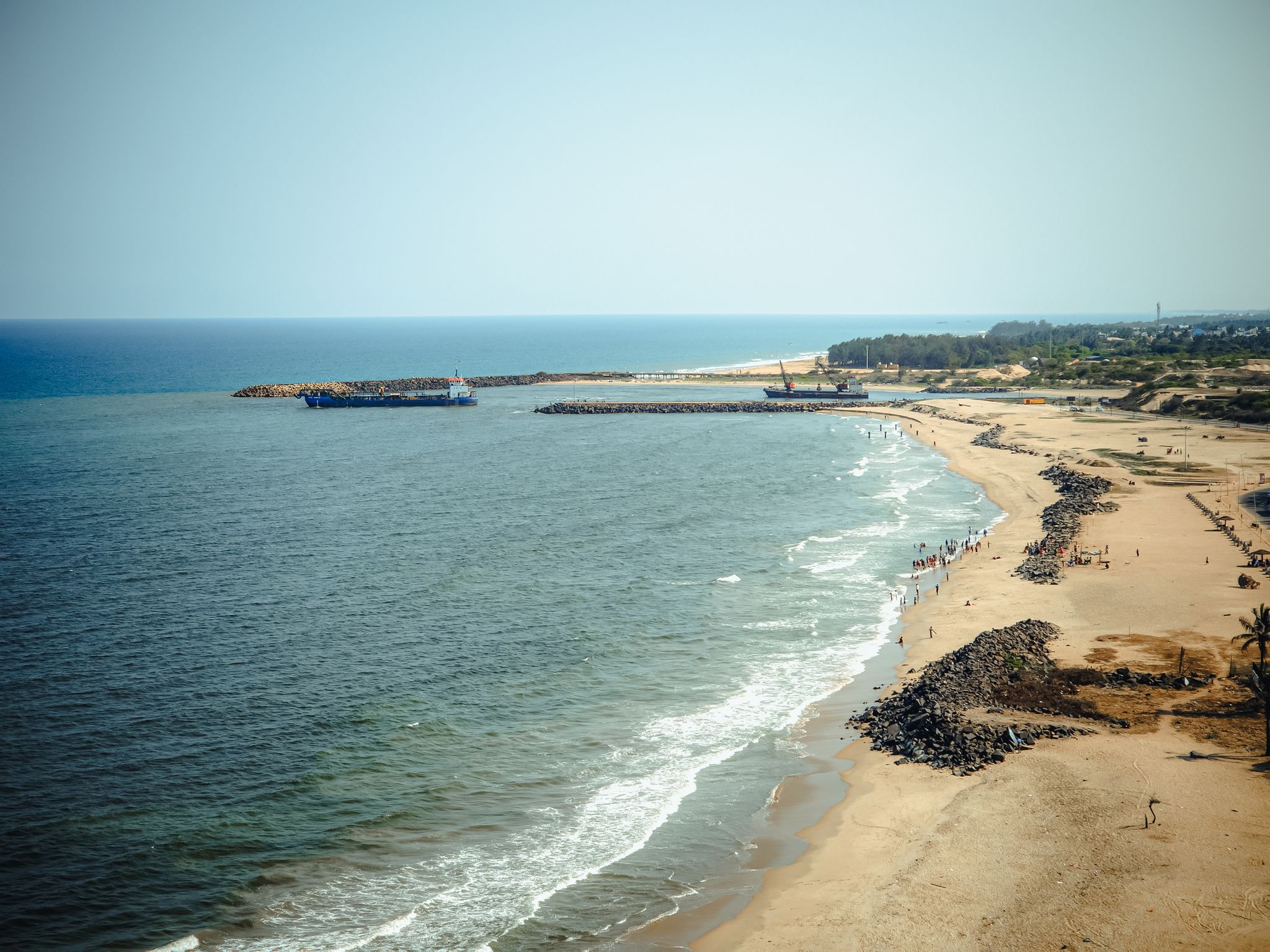
Reached by a short backwater boat ride from Chunnambar near Pondicherry, Paradise Beach is a clean golden sandbar between lagoon and sea, popular for day trips. The best months to visit are roughly November to February, when seas are calm and skies are clear; the monsoon (June to September) brings rough water and many beach shacks shut. Plan water sports and swimming for the dry winter window.
Araku Valley is a lush coffee-growing hill region in the Eastern Ghats near Visakhapatnam, reached by one of India's most scenic train journeys through tunnels and viaducts. Known for tribal culture, coffee plantations, waterfalls and the Borra Caves, it is Andhra's favourite hill escape.
Kodaikanal is a beautiful and high-altitude hill station at an elevation of 2,133 metres on a plateau ridge of the Palani Hills in Dindigul district. Enveloped by dense pine forests, rugged granite cliffs, and natural waterfalls, it stands as the 'Gift of the Forest' and a mountain resort in South India. The heart of the town centers around the scenic star-shaped Kodaikanal Lake, popular for cycling, horseback riding, and rowing operations. Beyond its refreshing mountain climate, Kodaikanal features old-world institutional charm, wide pine-fringed walking trails like Coaker's Walk, and deep vertical cliff line drops that overlook the rolling lowlands below.