

Jaisalmer Fort (Sonar Quila)
A living golden-sandstone fort with homes, temples and havelis inside
city · Rajasthan
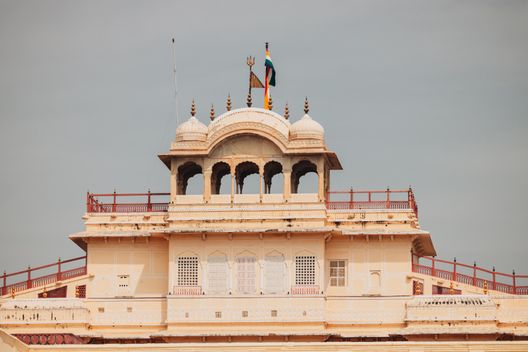
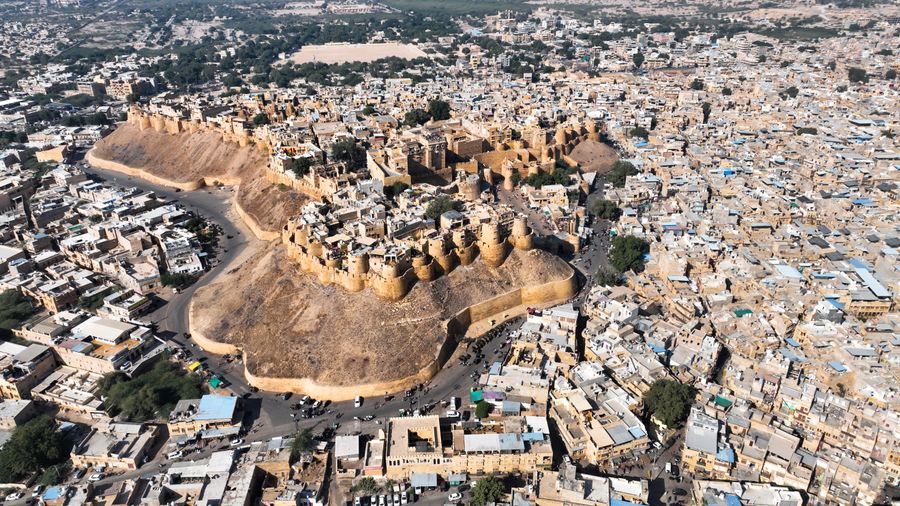
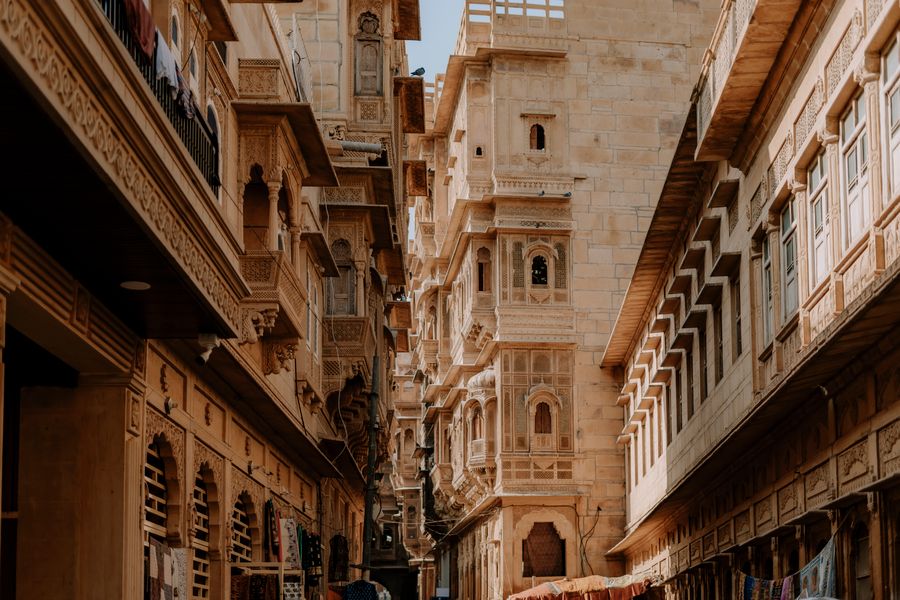
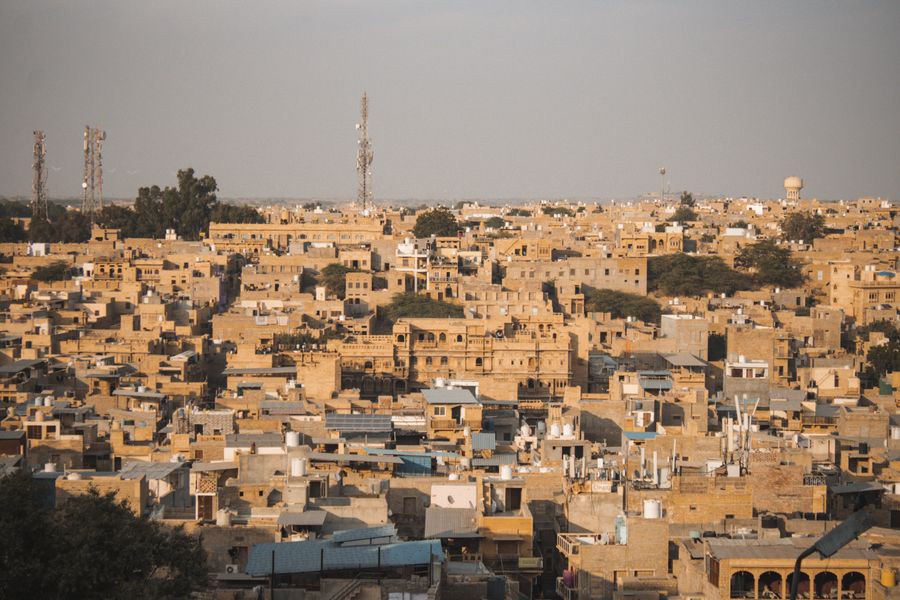
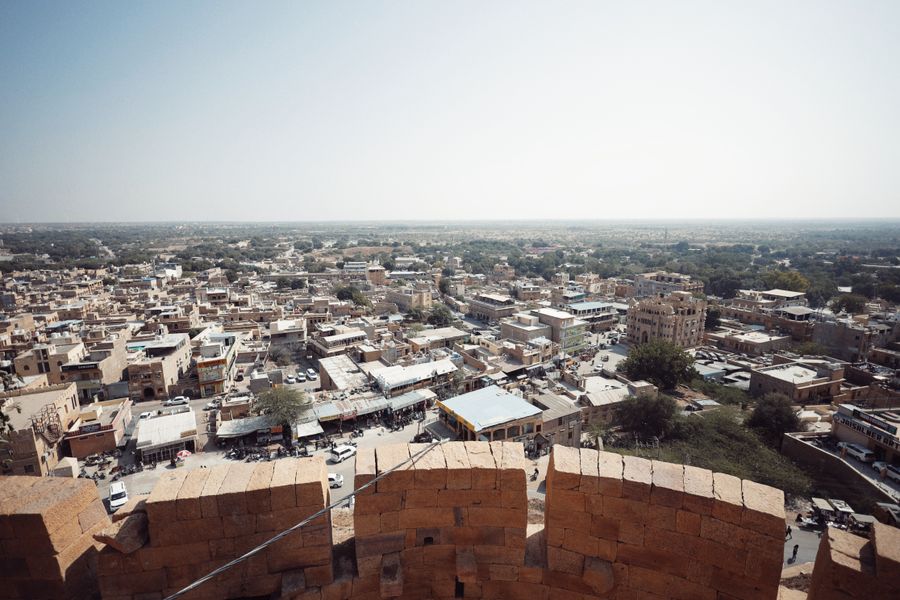
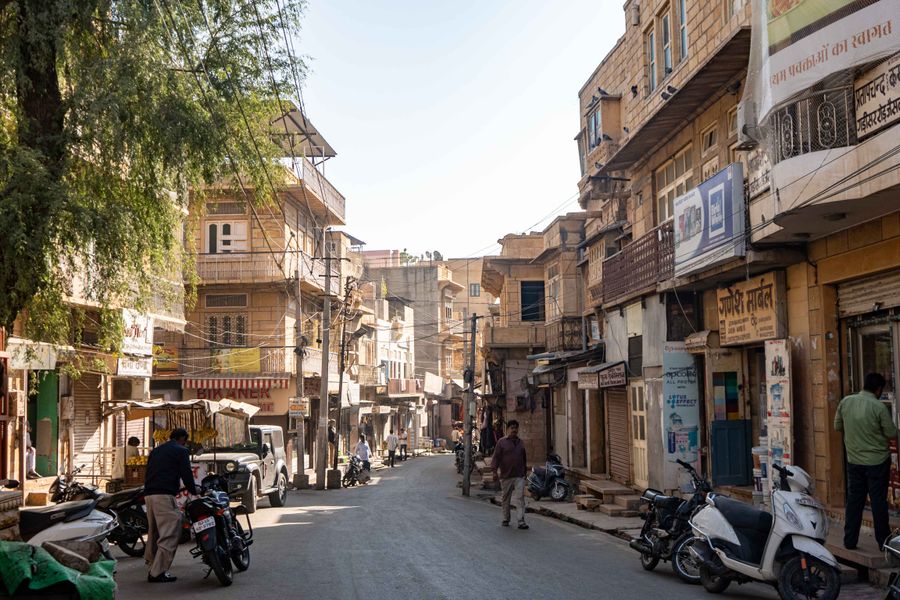
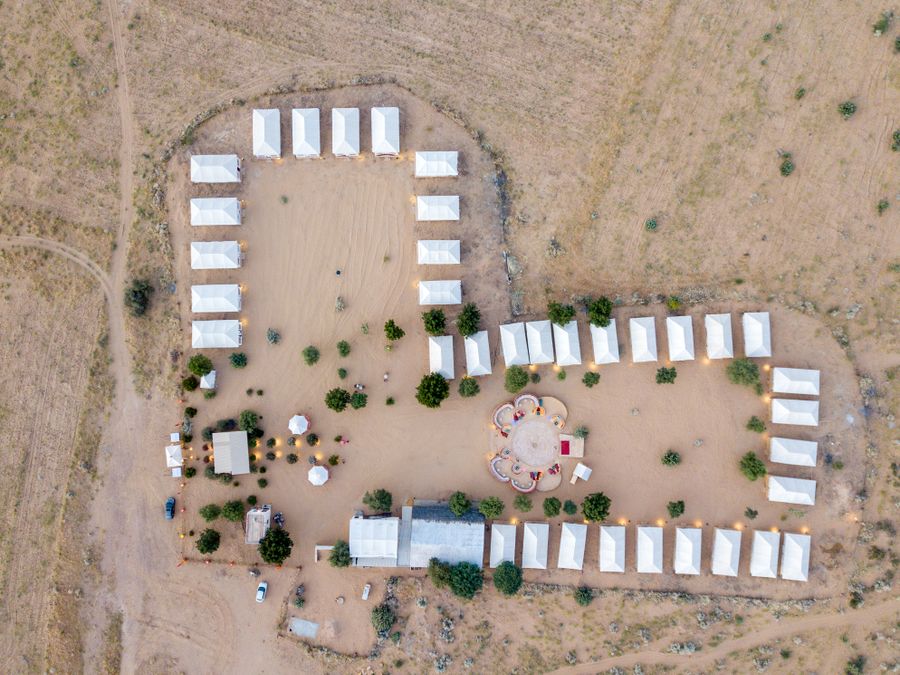
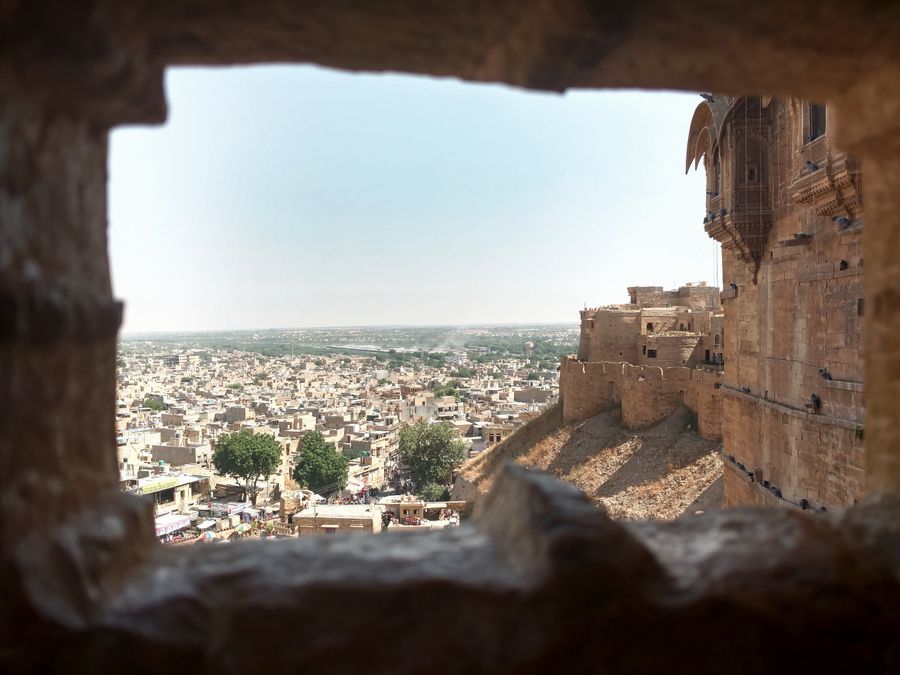
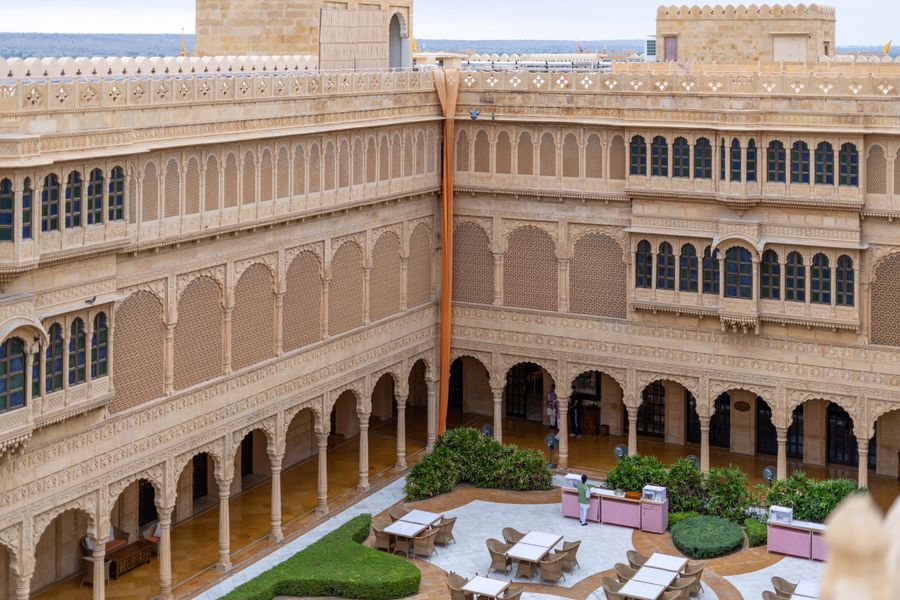
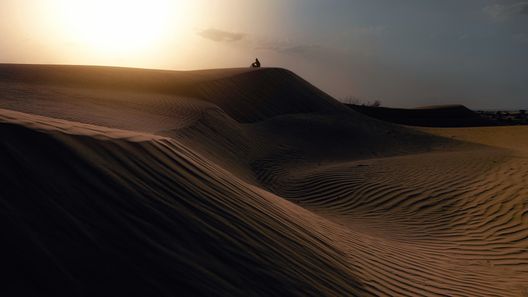
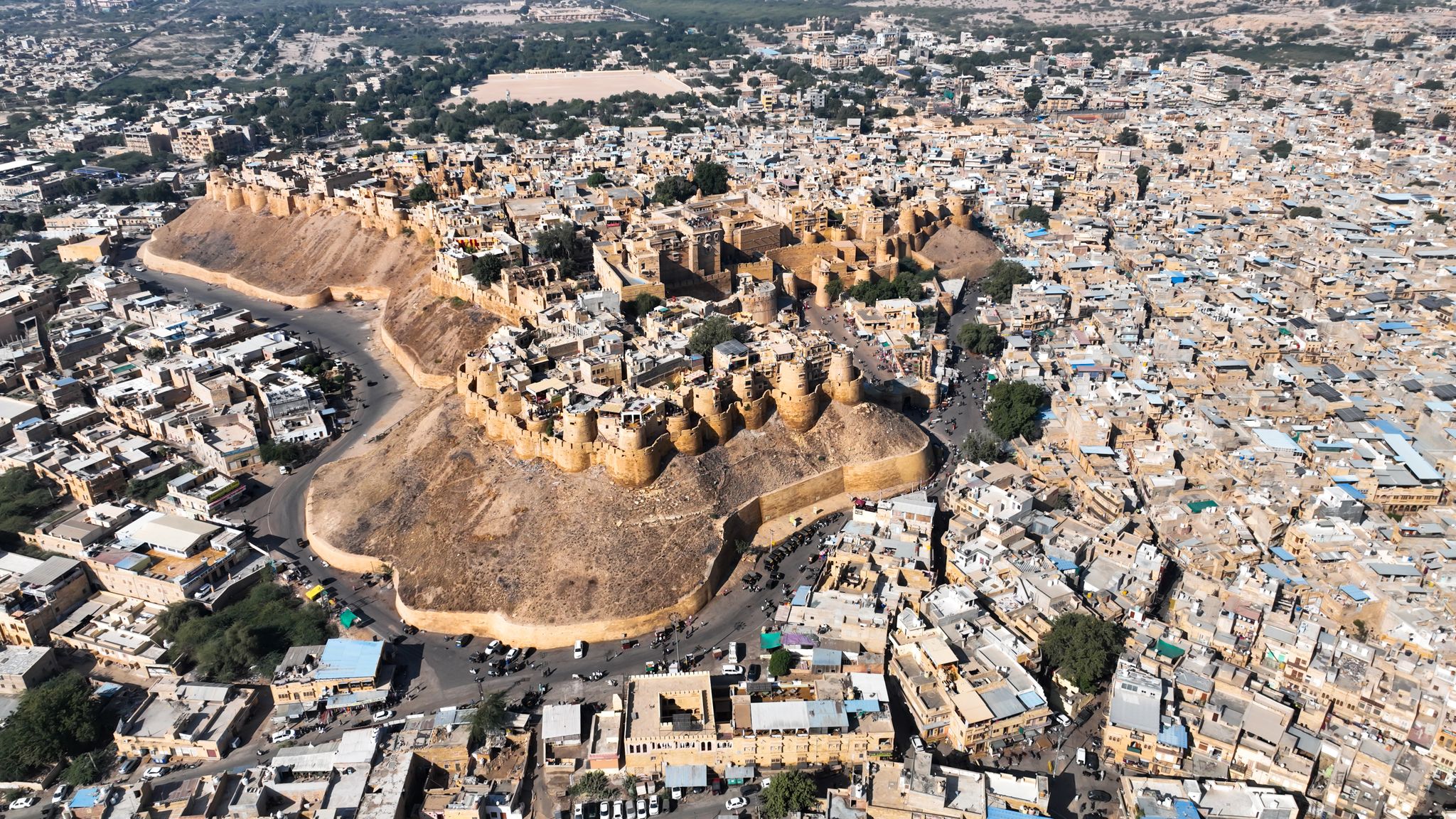
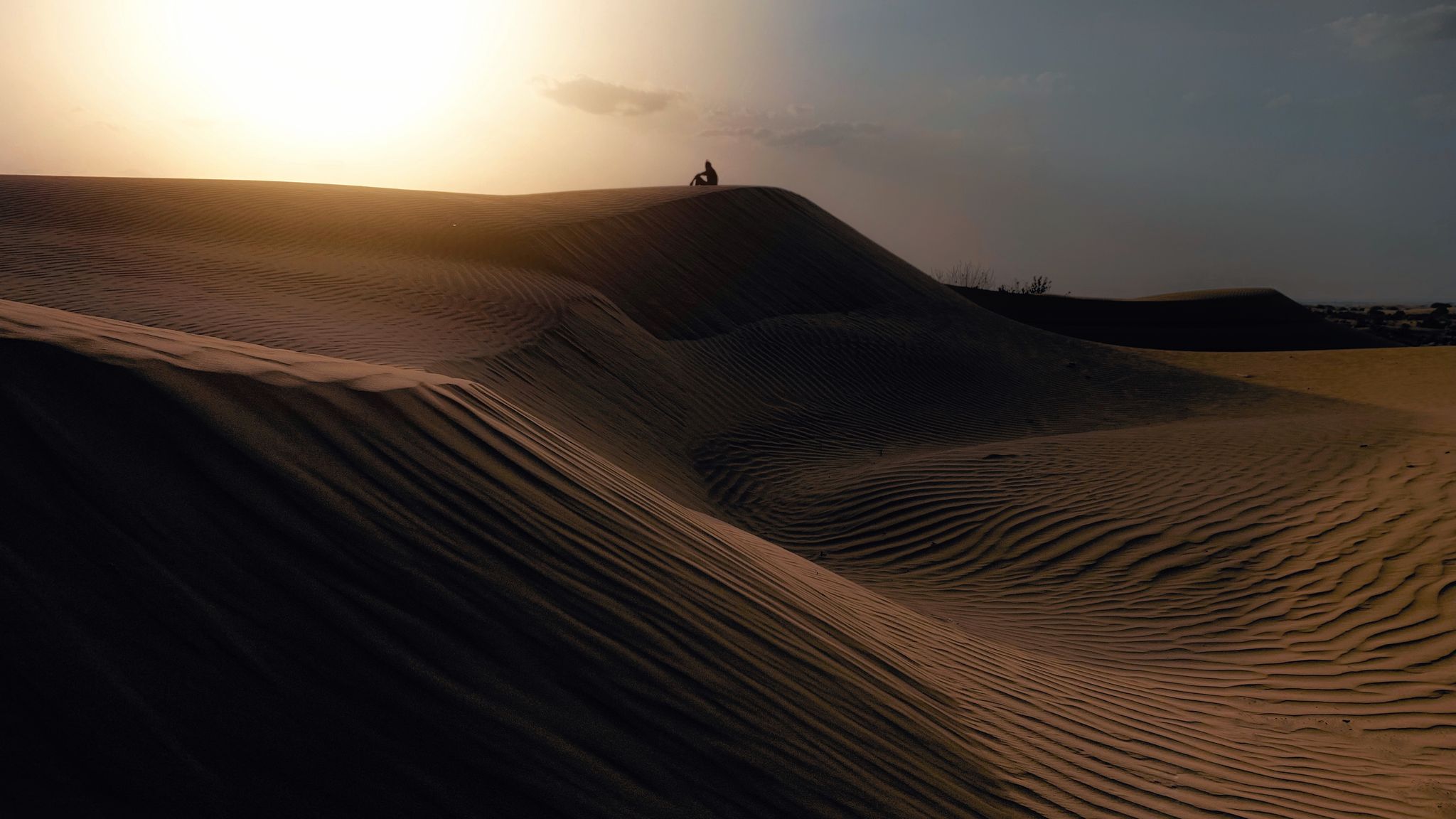
Jaisalmer is built from the same yellow sandstone it stands on, which is why at six in the evening the whole fort looks lit from inside — and why at midday it looks like nothing much at all. Time your first look for the last hour of light. The fort is one of very few in the world still lived in: several thousand people, with shops, homes, temples and plumbing inside the walls. That is what makes it extraordinary and also what is slowly destroying it, because the drainage was never built for modern water use and the bastions are being undermined. Conservationists ask visitors to sleep outside the walls rather than in the fort hotels. It is worth honouring. Patwon ki Haveli is the finest carved stone in the city. The Jain temples inside the fort are quieter and, to my eye, better. For the desert, the choice matters. Sam dunes at sunset is a full circus of camels, jeeps and loudspeakers. Khuri is further out, plainer, and gives you the silence people actually come to the Thar for. November to February. Nights in the desert get genuinely cold — bring more than you think.
Founded in 1156 by Rawal Jaisal, a Bhati Rajput ruler, the fort city grew rich as a staging post on the caravan trade route between India and Central Asia before that trade declined under British-era shifts to sea routes — leaving behind the merchant havelis whose carved sandstone facades still line its streets.
The 'Golden City' rising from the Thar Desert, its sandstone fort still inhabited by families inside its walls.
18 lakh
city in 2024 · Rajasthan Tourism (estimate)
The exclusive operational season for Jaisalmer is from November to February when winter winds make desert camping highly comfortable.
Jaisalmer's fort is one of very few in India that people never moved out of, which is both its charm and its problem: the drainage from all that living is undermining the foundations. Sleep outside the walls and visit by day.
Founded in 1156 CE by the Rajput ruler Rawal Jaisal, the city flourished as a highly strategic trading fortress along the heavy caravan routes linking India with Persia and Central Asia. It remains a global core for Manganiyar folk musical traditions and complex camel-hide handweaving.
Served seasonally by Jaisalmer Airport for direct flights, and connected reliably via the broad-gauge Jaisalmer Railway Station. It is accessed by road via National Highway 11 from Jodhpur, a scenic 5-hour drive across smooth desert highways.
Take the whole plan, or add any single stop.
Signature dishes and local flavours to look for in Jaisalmer.
6 dishes
Desert bean-and-berry curry, a Thar speciality

The classic Rajasthani plate

Yogurt curry with millet flatbread
Yogurt curry with millet flatbread
Gram-flour sweet from Jaisalmer

Creamy saffron lassi
Day-by-day plans other travellers have published for Jaisalmer
~1 hr
~5 hrs
How to spend your time in Jaisalmer.
A living golden-sandstone fort with homes, temples and havelis inside
Man-made lake ringed by ghats and shrines
Eerie deserted village full of local legend
The places in Jaisalmer most people come for.
Other places worth pairing with this visit — tap a mood to reshape the list.
Reviews & ratings
No CityDekho reviews yet
Be the first traveller to review this place.
Ask questions and share tips about Jaisalmer
Sign in to ask a question or share a tip about Jaisalmer.
More places you'll love



.jpg?width=2048)